Sustainability Starts With Design Choices
Blanks sustainability starts before a logo is sewn. Clothing blueprints determine their lifetime impact. Effective patterns reduce cutting waste. Choice of stitch influences strength and repairability. Fit affects whether a garment is a staple or a throwaway. A well-designed blank is like a durable bridge. Responsibility lies in every rivet and seam.
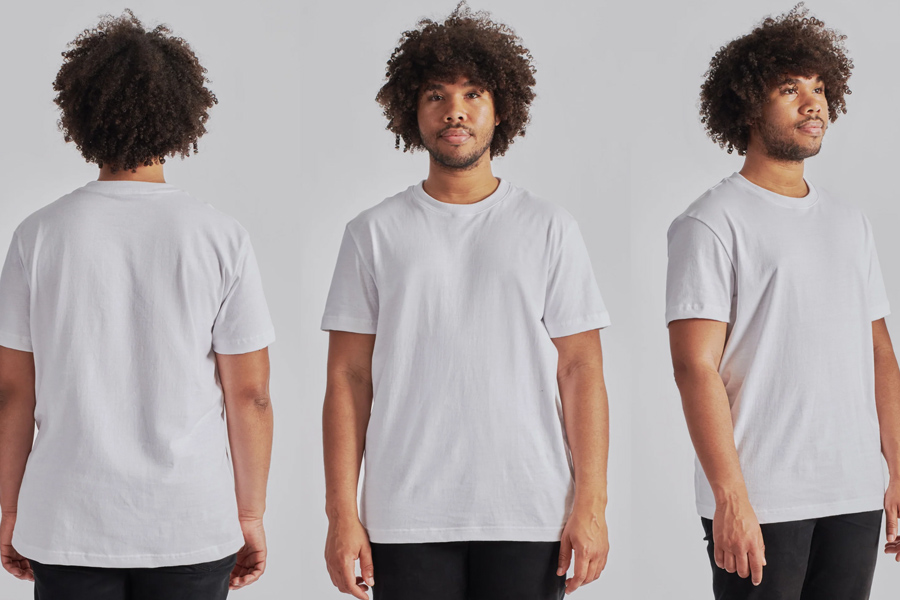
Careful building matters. Garments retain form with side seams. Shoulders are reinforced to avoid hang-sagging. Fray-resistant double-needle hems. Rib knit collars stay put after several washes. Longevity is one of the most significant levers for lowering footprint per wear, yet these features rarely make marketing headlines.
Fibers, Blends, and the Hidden Tradeoffs
No fiber selection is one-dimensional. Cotton breathes nicely and is comfortable. Polyester strengthens and dries quicker. Blends balance qualities, which affect usage and disposal. Pure cotton tees are easier to recycle mechanically. A cotton poly combination may withstand abrasion but be tougher to separate downstream.
Recycled material reduces waste, however fiber quality and safety should be considered. Low-quality recycled fibers pill easily, reducing usability and value. Premium recycled inputs work well, but their origin and verification should be recorded. Instead of a general promise, seek for ethical cultivation and traceability from field to fabric for natural fibers.
Microfiber shedding deserves attention. Synthetic fabrics can release micro particles during wash cycles. Tighter yarns, higher twist, and compact spinning can reduce shedding. So can choosing heavier weights where appropriate. For brands, communicating wash care that minimizes shedding is a small step with outsized impact.
Chemical Stewardship and Clean Color
Color is chemistry. Sustainable blanks aim for safer formulations and lower residuals without sacrificing vibrancy or fastness. Dyeing and finishing processes should be managed to restrict hazardous substances and reduce auxiliaries. Look for signs of disciplined chemical control such as restricted substance lists, incoming chemical screening, and wastewater testing.
Finishing touches increase comfort and danger discretely. Anti pilling finishes, softeners, and moisture management treatments vary widely. Responsible brands explain their practices. Recipes should meet performance goals while reducing persistence and toxicity. Clean chemistry goes beyond checklists. A culture of prevention.
Water, Energy, and Carbon in the Mill
Textile mills drive clothing effect. Water consumption, energy mix, heat recovery, and effluent management determine a blank’s environmental impact before printing. Reduce consumption via lower liquor ratio dyeing, better rinses, and process water reuse. Optimized boiler management and heat exchangers save energy. Renewable power and smart steam management reduce carbon intensity in mills.
Genuine progress here is measured in numbers. Kilowatt hours per kilogram of fabric. Liters of water per kilogram of dyed goods. Chemical oxygen demand in wastewater leaving the plant. When a supplier shares performance data year over year, they are showing the work instead of reciting a script.
Durability, Care, and Total Cost per Wear
Durability boosts sustainability. After 50 washes, a blank looks better than a delicate shirt in every important way. Durability depends on construction and fiber quality, but care methods matter too. Cold wash. Avoid overdrying. Reduce surface abrasion by turning clothes inside out. These simple maneuvers save energy and color.
Wash simulations, pilling tests, tensile strength checks, and abrasion cycles help brands measure durability. They track seam failure, collar curl, and fabric distortion returns. Feedback loops improve design from data. The objective is clear. Raise the number of comfortable wears and lower cost per wear financially and environmentally.
Packaging, Logistics, and Local Sourcing
Sustainability goes beyond cloth. Packaging conceals excess. Oversize containers, superfluous inserts, and thick poly bags waste materials and money. To save fuel and handling, smarter packaging employs recycled content, right-sized boxes, and consolidation. Regional manufacturing and distribution minimize routes, reduce emissions, and improve lead time predictability.
For decorators and brands, aligning ship schedules, batching orders, and avoiding rush freight makes a tangible difference. Time is carbon. Well planned timelines protect both.
Printing Methods and Surface Compatibility
A blank is the canvas. The print method is the brush. Screen printing remains a workhorse for volume and durability, with ink choices that range from high coverage to soft hand. Direct to garment offers photographic detail on cotton rich fabrics. Transfer technologies can enable crisp results on diverse fibers and reduce setup waste for small runs.
Each approach has environmental impacts. Wash fastness, solvent concentration, curing temperatures, and waste treatment vary. Proper ventilation, exact curing to minimize reprints, and waste segregation to avoid sludges and films in mixed streams are best practices. Matching ink or transfer chemistry to cloth lowers overapplication and print setting energy.
Transparency You Can Test
Trust rises when statements are validated. Request raw material-to-finished-goods documentation. Demand proof of labor and safety procedures at your blanks manufacturer. Ask for water and energy performance data. Instead of a label, a supplier that reveals audit results, improvement areas, and future goals shows actual growth.
Traceability technology is improving. Batch level tracking, digital passports, and inventory segregation help prevent mixing conventional and certified inputs. The more specific the data, the easier it is to spot inconsistencies and prevent greenwashing.
Building a Responsible Program for Your Brand
Sustainable blank sourcing is a program, not a buy. First, shortlist applicants who satisfy your performance needs. Try little quantities. Test wash and wear. Check stitching and dimension. Compare dye lot color robustness. Document and notify vendors of faults.
Standardize fibers, chemistry, manufacturing safety, and packaging internally. Choose trackable KPIs and update your team and customers. Provide care instructions with every order to prolong garment life. Patterns from returns should inform design and sourcing decisions. Evidence-to-action cycles sustain sustainability.
FAQ
How can small teams evaluate blanks without a lab?
Test practically. Wash samples five to ten times at home or in a laundry. Check shrinking by measuring width and length before and after. Use a gentle rub to check pilling. Feel seam integrity by lightly tugging. Record results with images and remarks. Easy checks disclose most durability concerns without specialist equipment.
Is recycled polyester always better than cotton?
Use and context matter. Waste-reducing recycled polyester is strong and fast-drying. Some systems use cotton for breathability and simpler disposal. Examine the garment’s purpose, projected wash cycles, and recycled input quality. Choose the fiber that meets performance and product life.
Does garment dyeing reduce environmental impact?
This is possible with good water management and chemical control. Dyeing after assembly reduces rework and improves hand feel. Impact depends on process, equipment, and wastewater treatment. Request suppliers’ water reuse and residual monitoring methods.
Are side seams more durable than tubular construction?
Side seams improve shape retention because they prevent the spiral twist that can occur in tubular knits. Durability itself depends on stitch type, thread quality, and seam reinforcement. A well executed side seam supports long term fit, which keeps garments in rotation longer.
What print method aligns best with sustainability goals?
There’s no champion. Screen printing is durable and efficient for big runs. With low setup waste, direct-to-garment suits complicated patterns and smaller numbers. Transfer methods provide fiber-type flexibility. Assess ink or transfer chemistry, curing energy, and waste. Choose the procedure that meets quality requirements with minimal rework.
How do I reduce microfiber release from synthetic blends?
Select tighter yarns and higher twist levels when possible. Opt for heavier weights for high abrasion contexts. Encourage customers to wash on gentle cycles and avoid overdrying. Consider wash bags designed to capture micro particles. Small changes in fabric and care can significantly cut shedding.
What packaging choices make the biggest difference?
Right-sized cartons to eliminate void space, consolidate shipments, and recycle where possible. Remove extra poly bags or thin them. Print care and recycling instructions on packaging to turn it into a teaching tool. Packaging should safeguard the product, not increase its footprint.