Key Takeaways
- A useful collection starts with daily routines, not an arbitrary item count.
- Comfortable footwear depends on width, shape, support, materials, and how long you will wear it.
- A few reliable shoe styles can cover work, weekends, travel, weather, and special occasions.
- Jewelry, belts, hosiery, sunglasses, and hair accessories add variety to outfits without requiring more clothing.
- Testing fit and caring for each piece helps a smaller collection work harder for longer.
A well-planned collection of plus-size shoes and accessories makes getting dressed simpler without limiting personal style. Whether you need dependable boots, polished flats, casual sneakers, statement earrings, or wide shoes that support a busy routine, the goal is to choose pieces that feel good and work with what you already own.
Torrid shoes and accessories offer a broad mix of everyday footwear, jewelry, and finishing pieces, including boots and booties, heels, wedges, platforms, sandals, sneakers, belts, socks, sunglasses, and hair accessories. The assortment also leaves room for personality through seasonal details, including playful themed earrings, barrettes, and other brand-inspired accents.
Why a Smaller Collection Can Work Better
A capsule is not a rule that says you can only own a certain number of shoes or accessories. It is a practical approach to owning pieces that earn their place. When the colors, comfort level, and purpose of each item are clear, it becomes easier to create outfits, pack for trips, and avoid buying duplicates that barely get worn.
Start by thinking about the moments that make up your real week. A person who walks to work, attends occasional dinners, and spends weekends running errands needs a different mix than someone who works from home, travels regularly, or frequently dresses for events. Let your lifestyle guide the collection instead of trying to copy someone else’s wardrobe formula.
Start With a Lifestyle Audit
Before adding anything new, review the shoes and accessories you reach for now. Notice what is missing when an outfit feels unfinished, what causes discomfort after an hour, and what stays untouched in the closet. This creates a more useful shopping list than browsing by trend alone.
Questions to Ask
- Do most days involve long walks, driving, standing, stairs, or uneven surfaces?
- Does your work wardrobe lean casual, polished, or somewhere in between?
- What weather creates the largest gap in your current rotation?
- How often do you need dressier shoes for dinners, celebrations, or events?
- Which accessories do you wear repeatedly, and which ones feel impractical?
Build the Shoe Foundation First
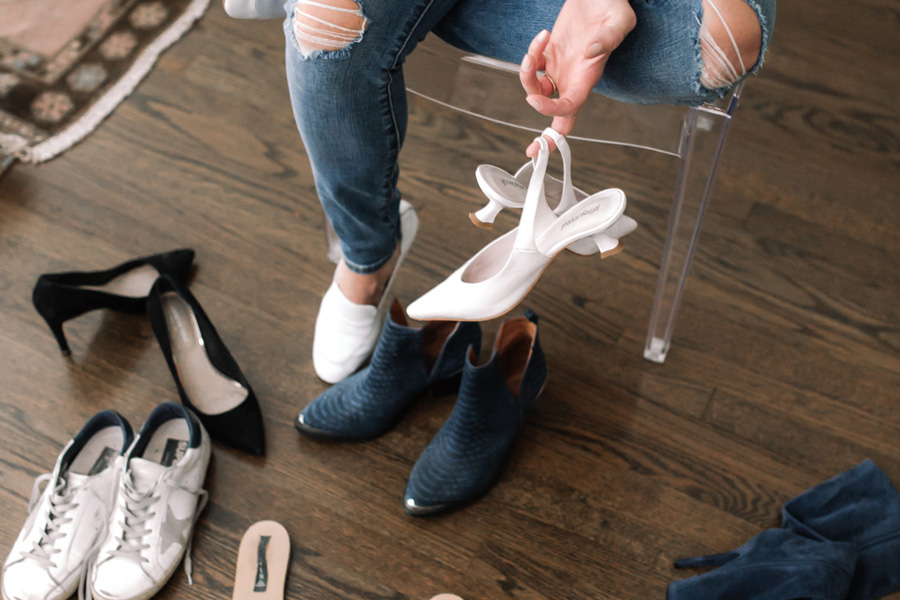
Footwear usually does the most practical work in a wardrobe, so build this part first. Women’s wide-width shoes can be especially valuable when a standard width feels restrictive, but fit should always be judged by your own feet rather than a label alone. Begin with the roles you need most often.
- An everyday walking pair:Choose supportive sneakers, flats, or casual loafers that work with jeans, leggings, dresses, or relaxed trousers.
- A polished pair:A loafer, oxford, ballet flat, or low heel can make workwear and smart-casual outfits feel more intentional.
- A weather-ready option:Boots or booties can help cover cooler, rainy, or transitional days, depending on the materials and sole.
- A warm-weather pair:Keep sandals, wedges, or breathable flats in the rotation when the weather calls for lighter dressing.
- An occasion pair:A block heel, platform, dressy flat, or standout boot can bring polish to celebrations without sacrificing stability.
Put Fit Before Fashion
Shoe size is more than length. Width, toe shape, arch placement, heel security, and upper flexibility all influence comfort. Research on footwear fitting and foot health found that poorly matched shoes are common and can be associated with foot pain and other problems, making a careful fit check worth the extra time.
A Simple Fit Check
- Try shoes later in the day, when feet may be slightly wider or more swollen.
- Wear the socks or hosiery you would normally pair with that style.
- Make sure the toes can move without sliding forward into the shoe.
- Walk on a firm surface and pay attention to rubbing, pinching, or heel lift.
- Do not assume pain will disappear after a long break-in period.
Create a Color Plan That Connects Everything
A simple color plan helps shoes and accessories work across more outfits. Choose one main neutral, such as black, brown, tan, navy, or cream, then add a secondary neutral and one or two colors that feel personal. Exact matching is unnecessary. Repeating similar tones, textures, or metal finishes can make separate pieces feel connected.
- Classic:Black footwear, cream accessories, denim, and gold or silver jewelry.
- Soft neutral:Tan, ivory, olive, warm brown, and muted gold.
- Cool contrast:Navy, gray, white, burgundy, and silver.
- Statement base:Simple neutral shoes paired with a bright bag, colorful earrings, or a patterned belt.
Use Accessories to Change the Outfit
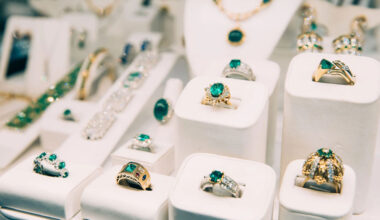
Plus-size fashion accessories can make familiar clothing look fresh. A belt can define the waist of a relaxed dress or tunic. Hoop earrings can add polish to a basic top, while a bolder necklace or themed hair clip can shift the look toward evening, holidays, or a more playful mood. Keep a few practical options, such as sunglasses, socks, hosiery, and secure hair accessories, alongside expressive pieces.
Match the Detail to the Occasion
- Workdays:Favor clean shapes, comfortable shoes, moderate-scale jewelry, and belts that sit smoothly.
- Weekends:Choose easy sneakers or sandals, hands-free accessories, and pieces that move well.
- Evenings:Add shine, texture, a sculptural heel, or a statement earring to elevate a simple outfit.
- Travel:Pack lightweight items that work with multiple outfits, including a comfortable pair of walking shoes and versatile jewelry.
- Outdoor plans:Prioritize grip, weather awareness, and accessories that stay secure while you move.
Plan for Comfort During Long Days
Break in new shoes at home before wearing them to a wedding, concert, work event, or travel day. Rotate pairs instead of relying on one style every day, and consider keeping backup socks or flats in a tote for long commutes. Guidance on recognizing persistent foot problems also recommends paying attention to pain, numbness, swelling, and changes that do not improve.
Buy in the Right Order and Care for What You Own
Fill the biggest practical gap first, then add seasonal needs, and save duplicates or trend-led pieces for last. A useful purchase should solve a real outfit problem, fit comfortably, and coordinate with clothing already in rotation. Store shoes somewhere dry, let damp pairs air out completely, wipe off dirt after outdoor wear, and keep jewelry away from water, perfume, and tangled storage.
A strong collection does not have to be large or expensive. When shoes support comfortable movement and accessories add flexible finishing touches, every item has a clear purpose. Track what you wear for 30 days, note what remains unused, and use those patterns to build a wardrobe that feels ready for ordinary days and special plans alike.