Key Takeaways
- Septic systems rely on natural treatment processes, so everyday household habits matter.
- Grease, wipes, solvents, paint, and excess water can create unnecessary strain.
- Routine pumping and professional inspections are more important than quick-fix additives.
- Moderate use of ordinary cleaning products is generally more sensible than dumping concentrated chemicals into drains.
- Slow drains, sewage odors, wet ground, and backups need prompt attention.
A septic system quietly handles a major job every day, but it can only work well when homeowners are careful about what goes down sinks, toilets, showers, and floor drains. Choosing sensible cleaning methods, conserving water, and following a maintenance schedule are practical ways to protect the system. Homeowners comparing household treatments can also review Blair Norris septic maintenance products as part of a broader approach to responsible septic care.
Septic-safe living does not require throwing out every conventional cleaner or treating the tank like a fragile science project. It does mean avoiding materials that do not break down, limiting harsh chemicals, and recognizing that no bottle of additives can replace pumping, inspections, or repairs. Consistency matters more than perfection: small choices made every day can reduce avoidable buildup and help homeowners spot changes before they become costly emergencies.
How a Septic System Handles Household Waste
Wastewater from the home flows into a septic tank, where heavier solids settle to the bottom as sludge, and floating grease and oils form a top layer called scum. The liquid between those layers leaves the tank and moves to a soil treatment area, often called a drain field. There, soil helps filter and treat wastewater before it continues through the ground.
That process depends on a functioning tank, sound plumbing, suitable soil conditions, and normal biological activity. A septic tank is not a garbage can, chemical disposal point, or substitute for regular maintenance. The tank also needs enough time for solids and liquids to separate, which is one reason sudden surges of water can interfere with normal operation. Components such as outlet baffles, filters, pumps, and alarms may be present depending on the system design, and those parts need attention during service visits.
Why Everyday Products Can Create Problems
Repeatedly sending unsuitable products into the system can add solids, create grease buildup, interfere with normal treatment, or introduce substances that should be handled through another disposal method. The U.S. Environmental Protection Agency emphasizes proper septic system maintenance, including regular inspections, pumping when needed, and efficient water use.
One small mistake may not immediately cause a failure, but long-term habits matter. Pouring cooking grease down the sink, flushing wipes, or relying on strong chemical drain cleaners can make maintenance more difficult and may contribute to plumbing or septic problems. Materials that seem harmless in a small amount can accumulate over months or years, particularly in households with several occupants or frequent guests.
Products to Keep Out of Septic Drains
Keep the following materials out of household drains and toilets whenever possible:
- Paint, paint thinner, gasoline, and petroleum products
- Pesticides, solvents, automotive fluids, and other hazardous chemicals
- Strong chemical drain openers, especially when used repeatedly
- Large quantities of concentrated bleach or disinfectant
- Grease, cooking oil, and fats
- Flushable wipes, paper towels, tissues, and disposable cleaning cloths
- Cat litter, coffee grounds, diapers, dental floss, and hygiene products
- Unused medications and products that require special disposal
Many of these items do not break down easily, add unnecessary solids to the tank, or should never be released into a wastewater system. Hazardous household products should be handled according to local collection and disposal rules. Keeping a small covered bin near toilets can make it easier for household members and guests to throw away wipes, floss, and personal-care items instead of flushing them.
Choosing Safer Cleaning Products
For routine household cleaning, use only the amount of product needed for the job and follow the label’s dilution and disposal directions. Mild liquid soaps can handle many common tasks. Baking soda and white vinegar may be useful for certain light cleaning jobs, although they are not universal disinfectants and should be matched to the surface being cleaned.
When comparing products, check for strong acids, solvents, or harsh alkalis, and avoid assuming that a “natural” label automatically makes a product appropriate for every drain or surface. A septic-safe claim can be useful, but it does not eliminate the need for careful use. Avoid mixing cleaners unless the product labels specifically say it is safe to do so, since some combinations can produce hazardous fumes or create a more corrosive mixture.
How to Read a Septic-Safe Product Label
- Read the recommended use, dilution, and disposal instructions.
- Watch for warnings about corrosive acids, solvents, or caustic ingredients.
- Use products only as directed for normal household cleaning.
- Be skeptical of products that claim to remove the need for pumping.
- Check local requirements if the home has an advanced treatment system.
Do Septic Additives Really Help?
Bacterial, enzyme, deodorizing, and chemical additives are often marketed as simple solutions for septic care. In a normally operating household system, wastewater already introduces microorganisms and organic material into the tank. Additives cannot remove accumulated grit, plastic, wipes, sand, grease mats, or sludge that needs pumping.
They also cannot repair a broken baffle, damaged pipe, clogged filter, saturated drain field, or plumbing blockage. Treat an additive as optional rather than as insurance against skipped maintenance or a substitute for professional advice.
Water Use Matters More Than Many Homeowners Think
Heavy water use can send large flows into the tank before solids have enough time to settle. Leaking toilets, back-to-back laundry loads, long showers, and drainage directed toward the drain field can all add pressure to the system. Water-saving habits are especially helpful during periods when the home is hosting visitors, washing bulky bedding, or using appliances more heavily than usual.
- Repair leaking toilets and faucets promptly.
- Spread laundry loads across the week when possible.
- Choose efficient fixtures when replacing older equipment.
- Direct roof runoff and surface water away from the drain field.
- Ask a local professional before directing water softener discharge to the septic system.
Kitchen Habits That Protect the Tank
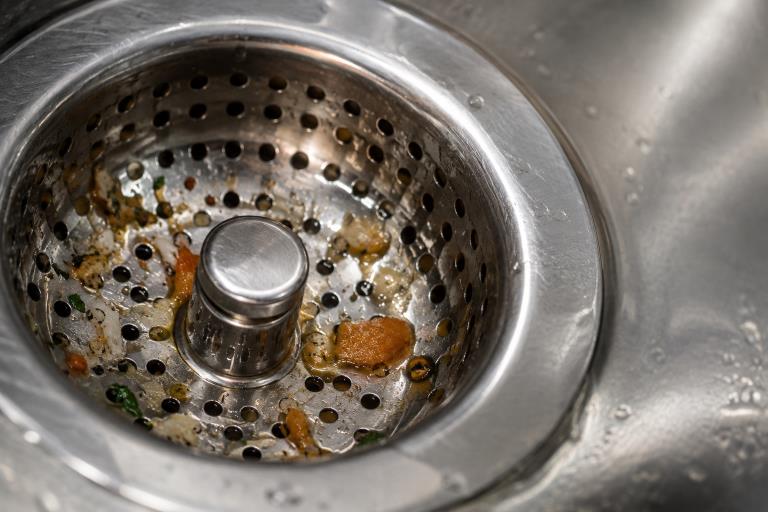
Kitchen waste can significantly increase the solids and grease entering a septic tank. Collect cooled cooking oil in a sealed container, scrape plates into the trash or compost where appropriate, and use sink strainers to capture food particles. Limiting garbage disposal use can also reduce the amount of solids that must be retained and pumped from the tank. If a disposal is used, homeowners should account for that extra organic material when discussing maintenance timing with a septic professional.
A Simple Monthly Septic Care Checklist
- Check toilets and faucets for leaks.
- Notice new odors near fixtures, the tank, or the drain field.
- Keep wipes, paper towels, and hygiene products out of toilets.
- Review cleaners stored under sinks and remove unsuitable products.
- Spread out high-water activities, especially laundry.
- Keep vehicles, sheds, and heavy equipment off the drain field.
- Update maintenance records after pumping or inspections.
When Pumping and Inspection Are Needed
Pumping frequency depends on tank size, household size, water use, and the amount of solids entering the system. A common planning range is every three to five years, but an inspection professional and local regulations should guide the actual schedule. Homes with garbage disposals, frequent guests, smaller tanks, or higher-than-average water use may need more frequent attention than a general planning range suggests.
Arrange professional help if you notice multiple slow drains, gurgling toilets, sewage odors, standing water near the system, unusually lush patches over the drain field, or wastewater backing up into sinks, tubs, or toilets. Do not wait for a complete backup before calling for help, because early evaluation may identify a plumbing or filter issue before wastewater reaches living areas.
What Not to Flush: A Quick Household Guide
For a simple household rule, flush only human waste and toilet paper. Penn State Extension’s guidance on what not to flush reinforces why wipes and similar products belong in the trash instead.
- Flush: Human waste and toilet paper.
- Trash: Wipes, paper towels, tissues, diapers, floss, and hygiene products.
- Special disposal: Paint, fuel, oils, pesticides, medications, and solvents.
Common Questions From Septic Homeowners
Is Bleach Always Unsafe for a Septic System?
Normal household use is different from pouring concentrated bleach into a drain. Use cleaning products in moderation, follow label directions, and avoid frequent large-volume chemical disposal.
Can Vinegar and Baking Soda Replace Every Cleaner?
No. They may help with some light cleaning tasks, but they are not appropriate for every surface, sanitation need, or plumbing issue.
Can a Septic Additive Fix a Slow Drain?
A slow drain may come from a local clog, full tank, blocked filter, damaged pipe, or drain field issue. An additive may delay a proper diagnosis.
Conclusion: Small Habits Protect the Whole System
Good septic care begins with what enters the drain, how much water the household uses, and whether maintenance remains on schedule. Choose cleaning products carefully, keep solid waste and hazardous materials out of the system, and respond quickly when warning signs appear. Those simple habits can help protect the tank, plumbing, drain field, and the home around them. Maintaining clear service records and sharing basic septic rules with everyone in the household can make those habits easier to follow over time.