Key Takeaways
- Choose a fence based on its primary job, not simply its initial price.
- Privacy, pet containment, security, and curb appeal often call for different materials and designs.
- Slopes, drainage routes, tree roots, gates, and property lines should shape the final plan.
- Fence height matters, but board spacing, layout, and nearby sightlines matter too.
- Confirm local requirements and have underground utilities marked before post holes are dug.
Choosing a fence is easier when you start with the problem it needs to solve. A backyard near neighboring homes may need visual screening, while a property with dogs, children, a pool, or a sloped lot may need a more tailored layout. For homeowners comparing local installation options, AMR Fence Company, a fence contractor Washington and Central New Jersey homeowners turn to for fence installation and repair, works with residential and commercial fencing projects in areas including Mount Olive, Long Valley, Hackettstown, Morris County, Hunterdon County, Warren County, and nearby communities, offering custom fencing solutions to meet your needs
AMR Fence Company offers wood, vinyl, aluminum, chain-link, and split-rail options, along with gates and custom transitions for challenging ground conditions. That range matters because the right fence for a New Jersey property should fit the land, the yard’s daily use, the home’s architectural style, and the level of maintenance the owner is prepared to handle.
Start With The Main Goal
A fence can define a boundary, create a safer play area, limit access to equipment, screen a patio, or make an open yard feel more finished. Identify the most important goal before selecting a style. A decorative front-yard fence may look out of place around a private rear patio, while an eight-foot-looking enclosure may overwhelm a small garden or reduce the open character of a corner lot.
Compare Common Fence Materials
- Wood: A flexible choice for natural-looking privacy fencing, pickets, and custom designs. It may require staining, sealing, or replacement of weathered boards over time.
- Vinyl: Often chosen for its consistent appearance and lower routine upkeep. It is available in privacy, semi-privacy, picket, and decorative styles.
- Aluminum: A strong fit for open views, gardens, and pool surrounds where full visual screening is not the goal.
- Chain-link: A practical option for containment and security. Privacy slats or screening can be adjusted to change their appearance when more coverage is needed.
- Split rail: A natural choice for larger or more rural-looking properties where an open boundary is preferred.
Choose A Fence For Privacy
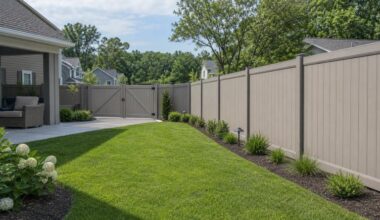
Privacy is about more than height. A solid fence may block ground-level views but still leave a patio exposed to a raised deck or second-story window next door. Consider where people sit, grill, swim, enter the yard, and look into the property. Solid panels, board-on-board layouts, and lattice-topped sections can all help create screening while preserving a finished appearance.
Many properties in the area benefit from a mixed approach. A shorter, more open fence can keep the front yard welcoming, while taller rear or side sections can screen a patio, hot tub, outdoor kitchen, or play area. This approach can make the fence feel intentional instead of walling off the entire property.
Plan For Pets And Children
Pet containment depends on behavior as much as size. Measure the largest dog, consider whether it jumps or digs, and inspect the proposed bottom clearance across the entire run. Sloped ground can create gaps that are easy to miss on paper. Gates need dependable latches, and rails or nearby objects should not create easy climbing points for children or pets.
Safety Checks Before Installation
- Choose a height appropriate for the animal’s jumping ability.
- Plan for minimal gaps beneath the fence, especially near grade changes.
- Place gates where they are convenient to use and easy to supervise.
- Use self-closing, self-latching hardware where pool or child-safety requirements apply.
Handle Slopes And Uneven Ground
New Jersey properties can include rolling lawns, drainage swales, mature trees, stone borders, and changes in grade near driveways. A stepped fence uses level panels that rise or fall in visible increments. A racked fence follows the slope more closely, which can reduce bottom gaps and create a smoother line. The best choice depends on the material, the grade’s steepness, the desired appearance, and containment needs.
Before finalizing the layout, mark drainage paths, retaining walls, walkways, utility areas, and likely post locations. Tree roots and wet spots may require adjustments that are simpler to make during planning than after materials arrive.
Match The Fence To The Property
A well-chosen fence supports the home rather than competing with it. A low picket or ornamental aluminum fence can frame a landscaped front yard without blocking the view. A wood or vinyl privacy fence can bring order to a busy backyard. Split rail can define a broad property edge while keeping the landscape visually open. Color, post caps, gate style, and alignment with driveways or garden beds all influence curb appeal.
Give Gates Extra Attention
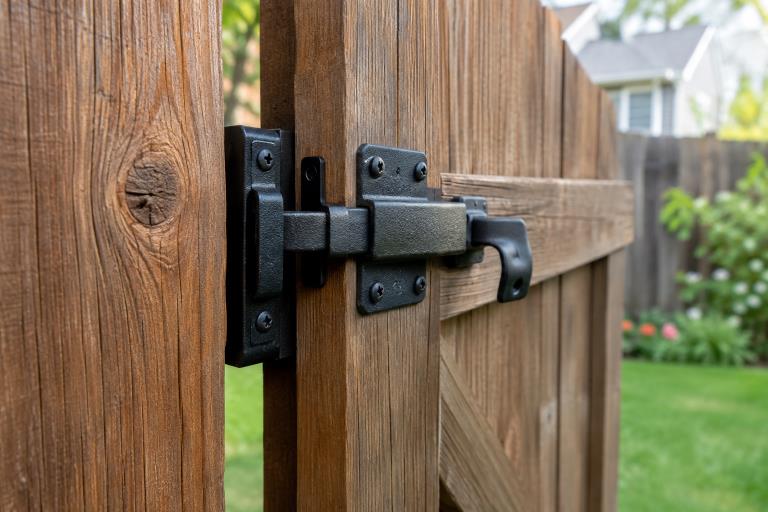
Gates receive more movement and stress than most fence sections. A pedestrian gate should be wide enough for lawn equipment and daily access. Double gates may be useful near a driveway or service area. Heavy gates require properly reinforced posts, durable hinges, and adequate clearance above the ground to accommodate seasonal movement, snow, and surface changes. For frequently used access points, thoughtful placement can prevent a small inconvenience from becoming a daily frustration.
Check Rules, Permits, And Utility Lines
Fence rules can vary by municipality, lot type, fence height, corner visibility, and whether the project involves a pool. Review New Jersey building permit requirements with the local construction office before installation, as municipalities administer their own processes and may have additional zoning requirements.
Property owners should also call 811 before digging for posts. New Jersey’s safe digging guidance advises notice before excavation so that underground utility lines can be marked. Do not assume that a small fence project or familiar yard is free of buried infrastructure.
Think About Maintenance And Long-Term Cost
Compare ownership costs, not just the first estimate. Ask how the material responds to moisture, sun, snow, and freeze-thaw conditions, and whether replacement boards, panels, hardware, and gates can be repaired individually. Wood may need more periodic attention, while vinyl and aluminum can reduce routine finishing work. The best material is one that meets the property’s needs and matches the owner’s willingness to maintain it.
Common Fence Questions
What Is The Best Fence For Backyard Privacy?
Solid wood and vinyl privacy styles are common choices. The best option depends on the desired look, maintenance expectations, yard shape, and local rules.
Should A Fence Follow The Slope?
It depends on the grade and the purpose of the fence. Racked designs can help reduce gaps, while stepped designs may suit certain panel styles and landscapes.
What Should A Homeowner Ask A Fence Company?
Ask how the design will handle slopes and drainage, who verifies the property line, what approvals may apply, how gates will be reinforced, and what maintenance should be expected each year.
The right fence is practical first, then attractive. Map the layout, consider every daily use of the yard, compare materials honestly, and confirm local requirements before work begins. That preparation helps create a boundary that looks natural on the property and continues to serve the household well.