A torch that can loosen a bolt can also melt steel if it’s fed the wrong gas at the wrong pressure. The difference between safe DIY heating and professional welding comes down to temperature control and failure modes you can’t see until they hurt you.
Heating, brazing and welding are not the same job
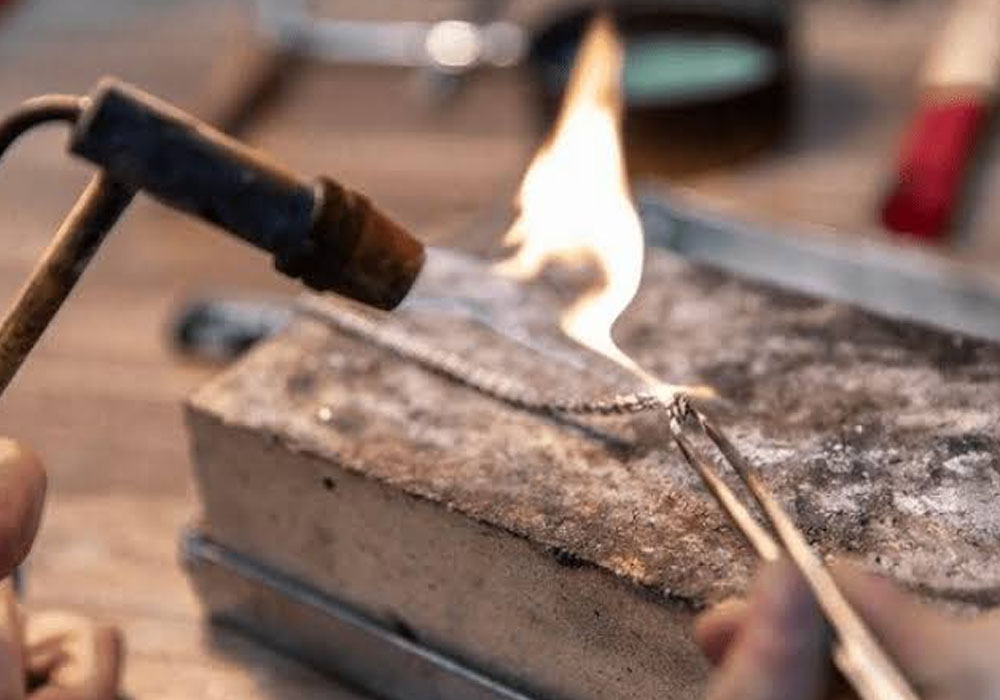
Heating is the lowest step. You bring metal up to a few hundred degrees to free a seized nut or bend a bracket, and the metal stays solid throughout. Brazing runs hotter. You melt a filler rod into a joint while the parent metal stays solid. Welding is different again because you melt the parent metal itself and fuse it together.
That distinction matters more than brand or tip size. A soldered copper joint might see less than 300°C, and it will hold water pressure for decades if it’s clean and fluxed right. A brazed steel joint might run near 600°C to 900°C depending on filler, and it relies on capillary flow rather than fusion. Once you melt steel you are near 1,500°C at the puddle, and the flame that made it is far hotter still.
You can learn soldering and light brazing in a home shop with practice and patience. There’s room for error, and the failure is usually a leak you can reheat and fix. Welding is less forgiving because a cold lap or a cracked root can hold paint and still let go under load.
Fuel gas decides what you can do safely
Propane in air burns near 1,900°C and MAPP gas pushes near 2,000°C in air. Those flames will soften and bend small steel parts, and they braze well too. They will also solder fast and thaw a fitting without drama. They won’t melt steel into a weld puddle, regardless of your technique.
Oxy-acetylene with pure oxygen reaches roughly 3,160°C. That extra heat lets a pro melt steel edge into edge and cut plate with a separate oxygen jet. The flame is tighter and far less forgiving. Hold it a second too long and you overheat the spot, burn alloy out of it and leave a weak crater.
DIY trouble is seen when someone tries to make a low-temperature torch do a high-temperature job. The torch stays on the steel for ten minutes instead of one. Heat spreads into paint and grease nearby. The tip overheats and pops. The user keeps going because the metal is almost red enough.
That is how sheds catch fire.
Propane and MAPP cylinders vent through simple regulators that can’t meter oxygen because they use air at the tip. You get a soft, bushy flame that is kind to copper but cruel to thick steel when you linger. That dwell time chars nearby timber and melts wire insulation before the steel ever reaches brazing heat.
Why acetylene has its own rules
Acetylene doesn’t sit in the cylinder as free gas. It is dissolved in acetone inside a porous filler that looks like solid foam. The filler stops voids where free acetylene could break apart. It also means the cylinder has to stay upright, so acetone stays where it belongs and doesn’t slug into the regulator.
Pros treat 15 psi (103 kPa) as a hard ceiling for acetylene delivery. Above that pressure, acetylene can decompose on its own without any oxygen present. The reaction can run back into the cylinder and rupture it. That is why pro regulators for acetylene are built with limited range and red-marked zones you are not meant to enter.
It is common practice to keep cylinders chained upright and crack the valve only a quarter turn so it can be slammed shut fast. Open the oxygen cylinder valve fully and control flow at the torch, but never starve the acetylene to get a small flame by dropping the pressure too low. Soot and a smoky feather mean a smaller tip is needed rather than less pressure. A garlic smell near the cylinder is a signal to shut down and ventilate, because it indicates an acetylene leak.
Gear up right if you stay on the DIY side
A hardware-store propane head is fine for thawing and soldering. It is not built for long brazing runs on steel. Valves get hot, seals soften and the flame drifts as the cartridge cools.
When brazing work outgrows that setup, step up to professionally specified gas torches with solid valves and tips sized for the fuel that is actually burned. The difference shows up in stable pressure and clean shutoff. Good gear holds its setting instead of creeping hotter as the job goes on.
Be sure to buy the protection at the same time. Fire-resistant gloves and shaded eye protection are the base. An auto-darkening helmet helps when the work gets bright enough to flash-blind you between tacks. Fume extraction, or at least a fan that pulls smoke away from your face, is essential when filler starts to smoke.
Backfire pops, flashback burns back
A backfire is a loud pop at the tip. The flame snaps out and often relights with a harsh crackle. It usually means you touched the work with the tip or ran the pressure too low for the tip size. Let off the oxygen first and let the tip cool. Then relight on fuel before you add oxygen back.
A flashback is different and far more dangerous. The flame front travels back past the mixer and into the hose. You may hear a hiss or whistle in the line before the arrestor slams shut. If it reaches the cylinder, it can destroy the regulator and start a fire you can’t outrun with an extinguisher.
The device has a one-way valve and a sintered block that quenches flame. It doesn’t need batteries or reset codes. It simply sits in line and does its job. Without it, you are trusting luck to stop a flame that moves faster than your hands.
Check hoses for cracks and burn marks before each use, and keep them off sharp edges and hot steel. Tighten with the right spanner instead of pliers that chew brass fittings and leave a slow leak. Leak-test with soapy water and watch for bubbles that grow. Wipe the joint and retest if you see any.
The metal remembers what you did to it
Steel changes well below its melting point. Heat a structural bracket to dull red and let it cool slowly in air, and you’ve softened it. Quench that same spot with a wet rag and you can leave it hard and brittle. The heat-affected zone spreads beyond the shiny spot you heated, and you can’t judge it by eye.
The cap hides a seam that never tied into the parent metal. Paint makes it worse because it fills pinholes and gives a false sense of strength. That handrail or trailer bracket can then crack at the toe of the heat zone weeks later when someone leans on it.
Thin sheet warps if you linger. The panel oil-cans, and no amount of filler will pull it flat again. Thick plate pulls too, only more slowly, and bolt holes stop lining up. If you don’t know preheat and skip-pass sequence, don’t weld the part that holds weight.
Don’t grind a crack and reweld over it without knowing why it cracked. You will trap the same stress, and it will open again right beside your new bead.
Fire and fumes punish shortcuts
Hot metal throws sparks farther than you think. Pros clear combustibles within 10.7 m (35 ft) around hot work, a baseline drawn from NFPA 51B. They sweep the floor and cover cracks where sparks can drop to a lower level. A charged extinguisher sits within arm’s reach rather than out in the truck. A fire watch stays on site for 30 minutes after the last flame is out because smouldering dust doesn’t show itself right away.
Most home shops skip every step of that.
Heating galvanised steel boils zinc off the surface at temperatures well below steel melting. The white smoke smells sweet and leaves you with chills and fever hours later. Pros call it metal fume fever, and they treat any coated steel as suspect until it’s ground clean or confirmed bare. Copper brings its own trouble because its fumes irritate lungs fast in a closed garage.
Most providers work with doors open on both ends and a fan that moves air across the bench and out, rather than merely moving it around. A paper dust mask won’t stop metal fume. If you can’t see clean air moving and you can’t keep your head out of the plume, stop and hand the job to someone with extraction.
Know when to hand it to a pro
On professional sites, the boundary involves paperwork as well as skill. A hot work permit names the task and the fire precautions before anyone lights up. Standards such as AS/NZS 4836 set the rules for safe welding practice that permit systems follow. Home shops don’t run permits, but insurers still ask whether hot work was done competently when a fire claim lands.
Unlisted welding in a garage that starts a roof fire is the kind of detail that can void cover. The question won’t be whether you meant well. It will be whether a licensed pro should have done it.
Keep DIY to work you can fully control. Soldering copper pipe for water is fair game if you flux and wipe well. Thawing a frozen fitting with gentle heat fits too, as does annealing a small non-structural part for drilling when nothing around it can burn.
Hand off anything that melts steel for strength. Welding a trailer hitch and oxy-cutting a structural beam belong with a licensed pro. The same applies to work on gas lines, roofs or in confined spaces. If the part holds weight or holds pressure, don’t light up. If sparks have nowhere safe to land, don’t light up either.
The torch isn’t the limit. Your control of heat and gas is. Stay on the side where you own both.