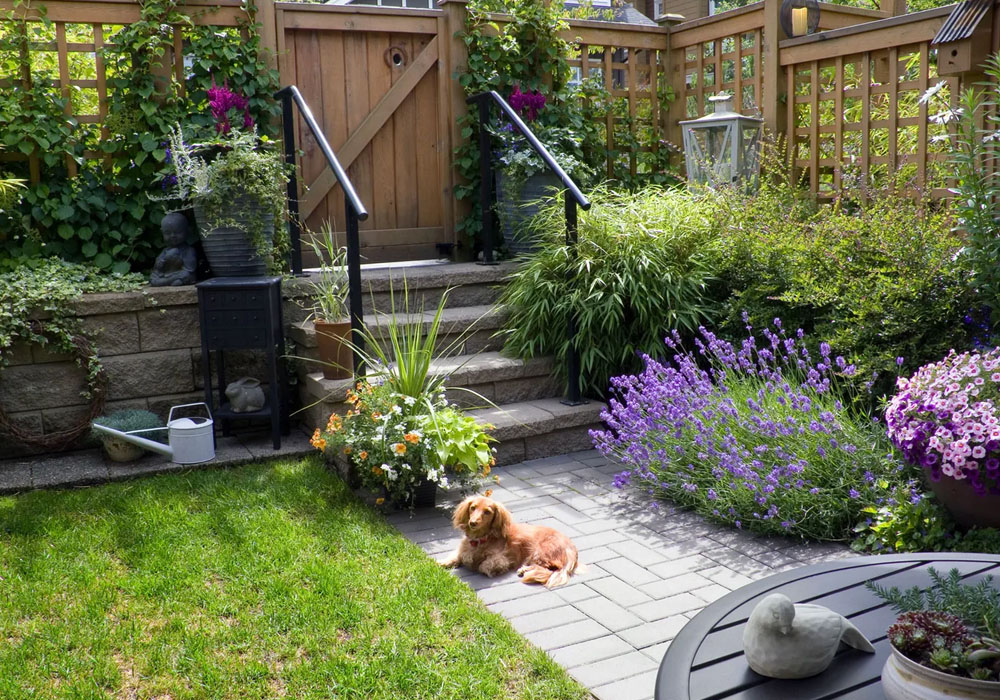
Modern life has a habit of keeping everyone busy. Between work, family commitments and the endless temptation to spend another hour on our phones, finding time to properly switch off can feel surprisingly difficult. That’s one reason outdoor living has become such an appealing part of the slow-living movement. A garden offers somewhere to breathe, enjoy a little fresh air and reconnect with the simple pleasures that often get pushed aside.
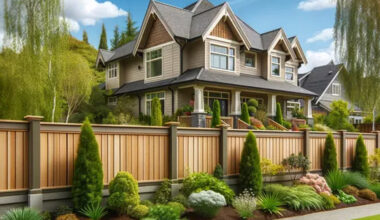
Creating that kind of space doesn’t mean spending thousands on landscaping or transforming your entire outdoor area. Often, the biggest difference comes from making practical improvements that encourage you to spend more time outside. Refreshing the boundaries with Fence Panels, for example, can help give a garden a more finished appearance and create a greater sense of privacy. If you’re looking for a longer-lasting structural option, Concrete fence posts are worth considering when planning a new fence. And for anyone who wants a consistently green lawn without the regular mowing, Artificial Grass may offer a practical alternative.
Make Your Garden Somewhere You Want to Be
It’s easy to think of the garden as a project that needs finishing before you can enjoy it. There might be an overgrown border to sort out, furniture to replace or a corner that never quite looks right. But waiting until everything is perfect can mean missing out on the space you already have.
Instead, start with one small area. Clear a corner, add a comfortable chair and place a few pots nearby. If you have a patio, give it a proper clean and arrange your furniture so that it feels inviting rather than simply functional. Even a small balcony or courtyard can become a peaceful retreat with a little thought.
The goal is to create somewhere that works for your everyday routine. Perhaps it’s a spot for your morning coffee, somewhere to read during your lunch break or a place to sit outside while the children play. When the garden has a clear purpose, you’re much more likely to use it.
Embrace a More Natural Look
The most relaxing outdoor spaces often have a natural, slightly imperfect quality. Rather than filling every corner with decorations, focus on greenery, texture and materials that complement one another.
Plants are an easy way to introduce life without making the garden feel overly designed. A mixture of leafy shrubs, ornamental grasses and seasonal flowers can provide interest throughout the year. You don’t need a huge collection, either. Repeating a few varieties often creates a calmer, more coordinated effect than filling the space with lots of different plants.
Consider the natural conditions before choosing what to grow. A sunny patio might suit Mediterranean-style herbs and drought-tolerant plants, while a shadier corner could be ideal for ferns or other shade-loving varieties. Choosing plants that suit your garden makes maintenance easier and gives them a better chance of thriving.
Natural materials can reinforce the same atmosphere. Timber furniture, terracotta pots, stone pathways and simple woven accessories bring warmth and character. The result doesn’t have to look expensive; a few well-chosen details can be more effective than a complete makeover.
Give Yourself Permission to Do Less
One of the most appealing ideas behind slow living is that not every spare moment needs to be productive. The same principle applies to gardening. You don’t have to spend every weekend pruning, mowing and rearranging plants to deserve a beautiful outdoor space.
If your current garden demands more time than you can comfortably give it, look for ways to simplify it. Replace particularly demanding plants with varieties suited to your climate, group pots together to make watering easier and consider reducing the size of a lawn that sees little use.
Low-maintenance choices can free up time for the parts of gardening you actually enjoy. You might prefer growing a few herbs, tending to flowering plants or simply sitting outside surrounded by greenery. There’s no need to turn a relaxing hobby into another source of pressure.
It’s also worth remembering that natural gardens change with the seasons. A few fallen leaves or a plant that isn’t flowering every week don’t mean the space has failed. Sometimes, allowing the garden to evolve naturally is part of what makes it feel welcoming.
Create Little Rituals Around Outdoor Living
A garden becomes more valuable when it forms part of your daily life rather than being reserved for special occasions. Small rituals can help make that happen without requiring extra planning.
Take your first cup of coffee outside when the weather allows. Eat lunch in the garden instead of at your desk. Spend ten minutes watering your plants in the evening, or sit outside after dinner before returning to the usual routine.
These moments may seem insignificant, but they offer a reason to step away from screens and enjoy your surroundings. Over time, the garden can become associated with rest rather than a list of unfinished jobs.
If you enjoy entertaining, keep things simple. A few comfortable seats, some outdoor lighting and an easy meal are often all you need for a relaxed evening with friends. The atmosphere matters far more than having a perfectly styled outdoor dining area.
Design for the Life You Actually Have
Lifestyle trends can provide plenty of inspiration, but your garden doesn’t need to resemble a photograph from a design magazine. A space that looks beautiful but doesn’t suit your household won’t necessarily make everyday life better.
Think about what matters most to you. Families may need room for play, pet owners might prioritise durable surfaces, and people who love gardening may want to dedicate more space to planting. Your budget, available time and local climate should all influence the decisions you make.
Start with manageable improvements and build on them gradually. A comfortable seating area, healthy plants and a layout that suits your routine can make a greater difference than an expensive transformation.
Ultimately, the best garden is one that helps you enjoy being at home. It doesn’t have to be perfect, elaborate or constantly changing. Sometimes, a quiet corner, a little greenery and the freedom to slow down are more than enough.