Key Takeaways
- A dull finish does not automatically mean a hardwood floor needs full sanding or replacement.
- Light scuffs and fading may be suitable for a screen-and-recoat, while bare wood, deep scratches, and stains often require full refinishing.
- Cupping, soft boards, rot, and active leaks should be addressed before any refinishing work begins.
- Solid hardwood generally offers more sanding potential than engineered hardwood, but both require a condition assessment.
- Dust containment, ventilation, finish selection, and cure time all matter when planning a Raleigh refinishing project.
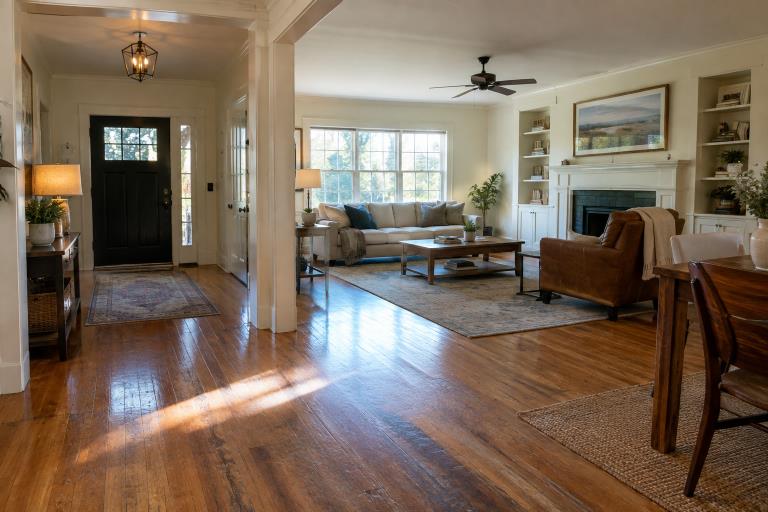
Raleigh homes often have hardwood floors that have seen years of heavy foot traffic, pets, furniture moves, sunny rooms, and fluctuating indoor humidity. Before assuming worn floors must be removed, homeowners should identify whether the issue is limited to the finish, reaches into the wood, or involves moisture and structural damage.
For a local evaluation, hardwood floor sanding and refinishing in Raleigh is a service offered by Artisan Flooring Of NC. Its Raleigh service page focuses on restoring scratched, dull, or worn hardwood through sanding, refinishing, staining, and finish options, helping homeowners make an informed decision before replacing a floor. The company serves Raleigh and the surrounding Triangle communities, including Cary, Apex, Wake Forest, and Durham.
Why Hardwood Floors Start to Look Worn
Grit tracked in from outdoors can act like sandpaper under shoes. Pet nails, chair legs, dropped objects, spills, and strong sunlight can also change a floor’s appearance over time. Hallways, kitchens, living rooms, and entry areas usually show wear first because they receive the most traffic.
In many cases, the visible problem is an aging protective coat rather than failed wood. Acting before finish wear exposes bare wood can help limit staining and moisture absorption.
Recoat or Refinish: Understanding the Difference
Screen-and-Recoat
A screen-and-recoat lightly abrades the existing compatible finish so that a new protective coat can bond to it. It can be a practical option for floors with mild surface scratches, reduced sheen, and ordinary wear. It cannot remove deep gouges, dark pet stains, major discoloration, or warped boards.
Full Sanding and Refinishing
Full refinishing removes the old finish and a small amount of wood surface before stain, sealer, and protective coats are applied. It can address deeper scratches, widespread wear, and a desired color change, provided the flooring has enough material remaining for sanding.
- Light scuffs and dullness: A recoat may be appropriate.
- Deep scratches, gray areas, or exposed wood: Full refinishing is more likely.
- Cracked, loose, or soft boards: Repair should come before refinishing.
- Extensive rot, severe buckling, or failed subfloor sections: Replacement or major repair may be necessary.
Signs Your Raleigh Floor May Need Refinishing
- Scratches catch a fingernail or expose raw wood.
- Traffic lanes look flatter, lighter, or more worn than nearby areas.
- Water droplets soak in rather than bead on the surface.
- Gray, faded, or darkened areas remain after normal cleaning.
- Pet stains, dents, and scratches appear across multiple rooms.
- The sheen looks patchy, even after the floor is cleaned.
Do not use aggressive do-it-yourself sanding as a test. Every sanding pass removes material, and uneven sanding can make later restoration more difficult.
When Replacement May Be the Better Choice
Replacement should not be the default response to a scratched floor. However, it can be the sounder choice when boards are badly water-damaged, soft, rotten, severely buckled, termite-damaged, or too thin for another sanding. It may also fit a renovation that changes the room layout, plank width, or wood species. Subfloor movement and active moisture problems must be corrected before new flooring is installed.
How Floor Type Affects the Decision
Solid Hardwood
Solid hardwood is made from a single piece of wood and can often be refinished more than once. Its age alone does not determine whether it is a candidate. A professional should inspect the board’s condition and the amount of wood remaining above the tongue prior to sanding.
Engineered Hardwood
Engineered flooring has a real-wood top layer over a layered core. Some products can be refinished carefully, while others have a veneer too thin for sanding. Manufacturer information and an on-site assessment are important before scheduling work.
Why Moisture Checks Matter in Raleigh Homes
Raleigh’s warm, humid summers and seasonal changes can make moisture management important for wood flooring. Dishwasher leaks, refrigerator lines, bathroom plumbing, crawl spaces, and condensation can contribute to cupping, crowning, dark board edges, musty odors, or soft spots. Sanding over an active leak can leave the underlying cause untouched and invite another failure.
Floor sanding also deserves careful containment and cleanup. A NIOSH evaluation of wood dust and lead exposure during hardwood floor refinishing underscores the importance of controlling dust, thoroughly cleaning, using appropriate protective measures, and keeping occupants away from active work areas.
What a Professional Refinishing Project Includes
- Inspection: Identify floor type, finish condition, moisture clues, and repair needs.
- Preparation: Remove furniture, protect adjacent areas, and plan access through the home.
- Repair: Stabilize or replace damaged boards before surface work begins.
- Sanding and detail work: Level the field, edges, corners, and transitions carefully.
- Color and finish: Test stain under the home’s lighting, then apply the selected coating system.
- Curing: Follow the product’s guidance before returning rugs, pets, furniture, and heavy traffic.
Dust Control, Finish Choices, and Home Preparation
Dust-contained equipment can reduce airborne and settled debris, but no sanding project should be treated as completely dust-free. Water-based finishes often dry faster and have a milder odor than traditional oil-based options, while oil-based finishes can provide a warmer amber tone. Matte and satin sheens tend to disguise small scratches better than high-gloss surfaces.
Before work begins, remove rugs, fragile items, and small décor from the project area. Confirm who moves furniture, arrange a safe space for children and pets, ask about HVAC and ventilation, and plan around the finish system’s drying and curing instructions.
Questions to Ask a Flooring Contractor
- Does the floor need a recoat, full sanding, board repair, or replacement?
- How will moisture and subfloor concerns be checked?
- What dust-containment process will be used?
- Which finish system and sheen are recommended for the household?
- How many coats are included, and what is the expected cure schedule?
- Are board repairs included in the written estimate?
Conclusion
Worn hardwood floors in Raleigh do not automatically need replacement. A thoughtful inspection can distinguish a finish problem from damage that reaches the boards or subfloor. By addressing moisture first and selecting the right level of service, homeowners can preserve a floor that remains one of the most durable and character-rich features of the home.