Key Takeaways
- Mountain-home due diligence should cover access, terrain, utilities, insurance, local rules, and maintenance, not just the house itself.
- Winter driving conditions, private-road obligations, water systems, septic capacity, and backup heat can directly affect daily ownership.
- Insurance availability and wildfire preparation deserve attention before an offer becomes final.
- A home with exceptional views may still be the wrong fit if its access, costs, or restrictions do not match your plans.
Why Mountain Homes Need A Different Checklist
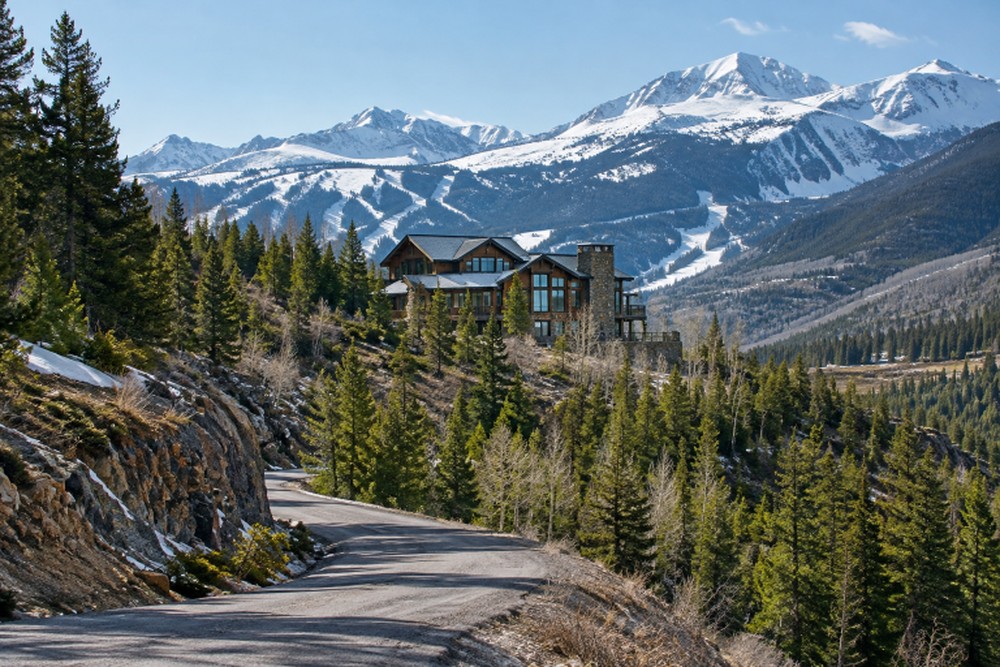
Buying in Snowmass Village or elsewhere in the Roaring Fork Valley calls for a broader review than a typical suburban purchase. A property can look ideal on a clear summer afternoon yet present very different challenges during heavy snow, spring runoff, high winds, or a power interruption. The house matters, but so do the road leading to it, the slope around it, the systems serving it, and the practical work required to keep it operating.
Local knowledge can help buyers ask better questions early. Snowmass Village CO real estate expert Steve Harriage provides property search tools, home valuation resources, community information, and buyer and seller guidance for Aspen, Snowmass, and the wider Roaring Fork Valley. Steve Harriage has experience in luxury resort, new development, and mountain property sales, making his site a useful starting point for people comparing homes and neighborhoods in this distinctive Colorado market.
Start With The Home’s Intended Use
Before scheduling tours, define what the home must do for you. A full-time household may prioritize reliable internet, year-round road access, nearby services, and room for visiting family. A weekend owner may place greater value on remote monitoring, simple winterization, and dependable local home-watch support. Retirees may prefer one-level living, manageable stairs, and a driveway that remains practical in icy conditions. Buyers considering rental income should first verify that the property’s location, association rules, insurance, and local regulations allow the intended use.
Review Roads, Driveways, And Winter Access
Access deserves the same level of attention as the kitchen, roof, or view corridor. Find out whether the route is a public road, private road, shared driveway, or HOA-maintained lane. Ask who pays for plowing, grading, drainage repairs, and fallen-tree removal. Request any recorded access easements or road-maintenance agreements, then read them carefully.
- Drive the approach in both directions and assess turning space for your vehicle.
- Note steep grades, shaded sections, narrow bridges, blind curves, and drainage crossings.
- Ask whether delivery trucks, emergency vehicles, fuel suppliers, and contractors can reach the home.
- Consider how snow storage and spring thaw could affect the driveway and parking area.
Check Utilities And Essential Systems
Mountain properties may rely on a municipal water connection, a private well, a shared well, or another water arrangement. They may also use septic systems, propane, electric heat, wood-burning appliances, generators, or a combination of systems. Request utility bills, permits, service records, water-testing information, and septic pumping records when available. Confirm whether a propane tank is owned or leased, and ask how fuel deliveries are handled during winter.
Test internet and mobile service from inside the home, not just at the driveway. If working remotely is important, ask the provider about available service levels and have a backup plan. Also review frozen-pipe protection, generator capacity, heating equipment, and the location of shutoff valves. These details can become especially important when a second home sits vacant.
Plan A Mountain-Specific Inspection
Choose an inspector who is comfortable evaluating high-elevation and mountain conditions. A general inspection is valuable, but the findings may justify specialized reviews of the well, septic system, roof, electrical system, chimney, structure, or retaining walls. Pay particular attention to roof wear, snow loads, ice dams, attic ventilation, drainage, foundation movement, decks, stairs, railings, crawl spaces, and signs of moisture or wildlife entry.
Review Insurance And Wildfire Risk Early
Insurance should be investigated before you remove contingencies, not after closing. Obtain quotes based on the actual address and intended occupancy, including any rental use. Review deductibles, exclusions, roof requirements, and coverage for wildfire, snow-related damage, water loss, and personal liability. Availability and pricing can vary based on property characteristics and insurers’ underwriting standards.
Wildfire preparation is also an ownership issue, not just an insurance question. The Colorado State Forest Service guidance on protecting homes from wildfire emphasizes defensible space and reducing conditions that can allow embers or flames to ignite a structure. When touring, look at vegetation near the home, roof and deck debris, vent screening, siding, fencing, and the access available for emergency response.
Study Zoning, HOA, And Rental Rules
Do not assume neighboring properties have the same rights. Zoning, HOA documents, easements, permits, and design standards can affect rental activity, occupancy, parking, exterior changes, hot tubs, pets, trash storage, additions, and approved bedroom counts. Request current HOA declarations, budgets, meeting minutes, reserve information, and any pending special assessments. If you plan to renovate, identify all approvals that may be required before relying on a preliminary idea or a contractor estimate.
Calculate The Full Cost Of Ownership
The mortgage payment is only one line in a mountain-home budget. Build an annual estimate that includes property taxes, insurance, heat, electricity, snow removal, road fees, well and septic service, chimney cleaning, generator maintenance, roof and deck repairs, drainage work, and property-management support. Remote homes can also involve contractor travel charges and longer scheduling windows. Leave room for emergency repairs, particularly if the property will be vacant for part of the year.
Use A Property Scorecard
Listing photos can make several homes feel equally compelling. A simple one-to-five scorecard helps compare them in practical terms after the emotion of a showing has faded. Rate each property for:
- Access: Safe, dependable entry in every season.
- Condition: Structure, roof, drainage, and major systems.
- Utilities: Water, septic, heat, power, internet, and backup options.
- Insurance: Availability, deductibles, and wildfire considerations.
- Rules: Compatibility with your living, renovation, or rental plans.
- Resale: Appeal to future buyers beyond your own preferences.
Common Questions From Mountain Home Buyers
Is 2026 A Good Year To Buy A Mountain Home?
The right timing depends on your finances, intended use, holding period, financing terms, and the specific property’s condition. Rather than trying to predict every market change, focus on whether the home fits your budget and can be maintained comfortably over time.
Should Buyers Choose A New Home Or An Older Cabin?
Newer homes may offer modern systems and fewer immediate projects, while older homes can offer character and established settings. Compare purchase price with inspection findings, likely upgrades, energy use, access, and long-term maintenance before deciding.
Should Buyers Check Flood Information?
Yes. Review the setting around creeks, drainage channels, steep terrain, and low-lying areas, then use the FEMA Flood Map Service Center to examine available flood-hazard information for the property or surrounding area.
Conclusion
A Snowmass Village mountain home should be evaluated for far more than finishes, views, and proximity to recreation. Roads, utilities, insurance, maintenance, local restrictions, and total ownership costs will shape everyday life long after closing. Careful due diligence helps buyers select a Colorado property that supports their lifestyle while reducing the chance of costly surprises.