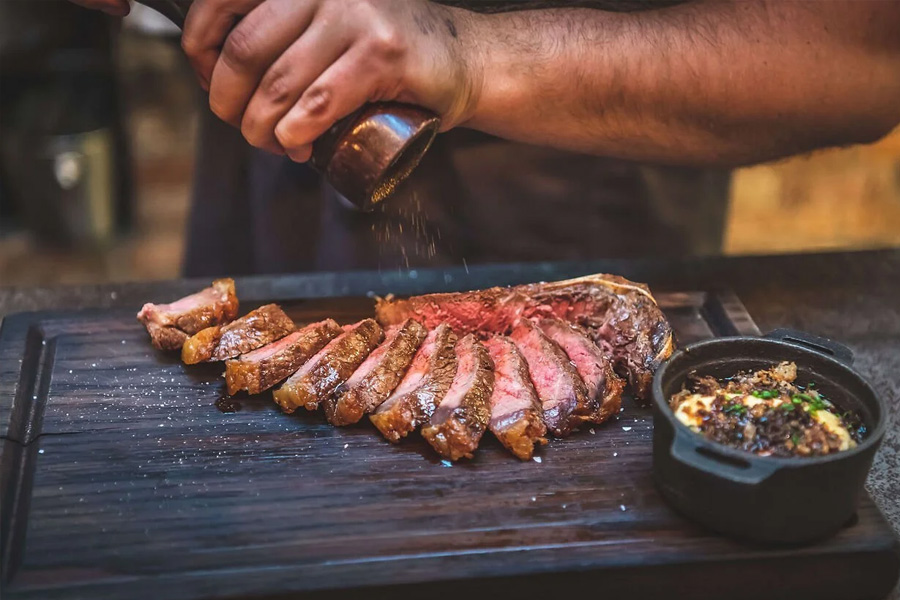
Why wild venison fits a low impact kitchen
Wild venison sits at the crossroads of flavor, ecology, and common sense. These animals live on rough pasture, browse, and woodland edges, which means they are not drawing on feed crops or standing in high input sheds. There is no imported soy in the background, no irrigation for fodder, and no long list of chemical inputs just to keep the system upright. You are cooking something that grew as the land intended, with hoofprints instead of blueprints.
Every roast and stew has a conservation lesson. Good management protects young trees, ground vegetation, and the birds and insects that depend on them in areas where deer numbers have exceeded natural controls. Choosing wild venison aids management. You’re not just switching proteins. You promote breathing habitats.
Seasonality, availability, and what to look for
Game is seasonal by nature. Different species are taken at different times of year, and that seasonality brings subtle shifts in flavor and texture. Autumn and winter often yield deeper, more robust meat that loves slow braises. Late winter and spring can be gentler, ideal for quick cooking.
When buying, look for:
- Clean, deep color without excessive darkening at the edges.
- A fresh, subtly mineral aroma. It should smell clean, never sour or musty.
- Firm texture and tidy butchery. Ragged edges can dry out quicker.
- Clear labeling for species and cut. If you can, ask when the animal was taken and how the meat was handled and chilled. Good handling keeps flavor bright.
Understanding cuts and how to use them
Think of the carcass as a map with roads for different journeys.
- Loin and fillet: Tender and quick-cooking. Pan sear, grill, or roast fast. Serve pink to preserve tenderness.
- Haunch steaks and roasts: Versatile. Roast whole, reverse sear, or slice into steaks for hot-and-fast cooking. Great for company meals.
- Shoulder and neck: Full of connective tissue that melts into silk with time. Braise low and slow, pressure cook, or shred for tacos and ragus.
- Shank: Collagen rich. Long braises reward patience with glossy sauces.
- Ribs and flaps: Often overlooked. Marinate and grill, or confit until tender.
- Trim and mince: Burgers, meatballs, koftas, dumplings, and stuffed vegetables.
As venison is lean, plan for fat and moisture. Brushing butter or oil on high heat is an easy remedy. To safeguard roasts, cover them with thin streaky bacon or an alternate. For juiciness, add 15–25% beef suet or pork back fat to burgers and sausages.
Quick cooking tip: Sear steaks in a ripping hot pan with neutral oil, finish with a knob of butter, smashed garlic, and thyme. Rest on a warm plate for 5 to 10 minutes so the juices settle. For long cooks, keep the pot at a gentle simmer rather than a boil to avoid stringy meat.
Flavor mapping and pairings
Venison wears big flavors well but also sings with quiet company. Build a pantry that can lean in both directions.
- Herbs and spices: Juniper, black pepper, bay, rosemary, thyme, coriander seed, allspice, smoked paprika, star anise for braises, and a hint of cinnamon for winter stews.
- Savory depth: Anchovy or fish sauce in teaspoon amounts disappears into the background and brightens meatiness. Miso, soy, and Worcestershire deliver umami in different dialects.
- Acidity and fruit: Blackberries, cherries, plums, or a splash of red wine vinegar nudge sauces into balance. A spoon of redcurrant jelly in a pan sauce is a classic move for a reason.
- Vegetables: Celeriac, beetroot, cabbage, leeks, mushrooms, and caramelized onions complement venison’s earthiness. Roast roots in the same tray to catch drippings.
- Aromatics: Garlic and shallots are the expected duo. Try fennel bulb for sweetness, or charred lemon for contrast.
For a quick weeknight rub, mix cracked pepper, salt, a pinch of cocoa powder, ground coffee, and brown sugar. It creates a thin, smoky crust that wakes up a loin or haunch steak.
Stretching the animal and reducing waste
A deer is a pantry in a coat. Use it all.
- Bones and trimmings: Roast and simmer into stock for soups, sauces, and gravy. Freeze in small containers for easy weeknight use.
- Offal: Heart grilled or pan seared is tender and mild. Liver shines in pâté with brandy and thyme or sliced thin with onions. Kidneys are bold in pies if you like a classic gamehouse vibe.
- Confit and rillette: Shoulder or neck gently poached in seasoned fat, then shredded and packed into jars, makes ideal toast toppers and picnic fare.
- Jerky or biltong: Dry thin slices with salt and spices for high protein snacks that travel well.
- Leftovers: Shred braised meat into tacos with pickled onions, fold into fried rice with peas, or tuck into hand pies with mustard and leeks.
Every small choice stacks up. Stocks, spreads, and snacks push flavor forward while nudging waste backward.
Storage, freezing, and prep workflows
A little organization keeps venison at the ready.
- Portion before freezing: Pack steaks, stew cubes, and mince in meal-size pouches. Label with cut and date.
- Prevent freezer burn: Wrap tightly with minimal air. Vacuum sealing helps. If using bags, press out air with the water displacement method.
- Thaw in the fridge: Slow and steady protects texture. Pat dry before cooking to encourage browning.
- Dry brine: Salt meat a few hours ahead to season deeply and help retain moisture. For larger roasts, season the day before.
- Marinades: Keep acidic marinades short for tender cuts, around 30 to 60 minutes. For tougher cuts, use yogurt or buttermilk marinades to gently tenderize overnight.
Safety and doneness
Treat venison like raw meat. Clean boards and knives, keep it cool, and avoid cross contamination. Tenderness is achieved by serving entire muscle steaks and roasts pink. Fully cook ground meat. Resting is more than routine. It connects dry and juicy.
Entertaining and weeknight strategies
Venison fits your schedule. Carve an entire haunch at the table for parties. It feeds many and looks majestic. Batch-cook shoulder ragu on weekdays. Stack flat bags like books to freeze. Sear steaks while roasting carrots, onions, and potatoes on a sheet tray. Without fuss, dinner arrives in under 30 minutes.
If you cook for kids or cautious eaters, start with minced dishes where the flavor is familiar. Burgers with a little added fat, spaghetti with venison bolognese, meatballs glazed with tomato and honey. Confidence grows bite by bite.
Budget and access
Mixing cuts might be cheaper than cherry choosing steaks. For extra value, order a box with bones and offal. Ask your butcher or game dealer about availability and timing. Many might recommend underestimated cuts that taste great with modest care.
FAQ
Is wild venison gamey?
Gamey often means unfamiliar. Fresh, well handled venison tastes clean, lightly mineral, and slightly sweet. Strong flavors usually stem from poor handling or overcooking. Pair with bright acids, herbs, and a little sweetness to keep the profile balanced.
How do I keep it tender?
Choose the right method for the cut. Quick, hot sears for loin and steaks, gentle long cooking for shoulder, neck, and shank. Salt ahead of time. Do not overcook lean cuts. Rest after cooking so juices redistribute.
Can I cook it pink safely?
Whole muscle cuts can be served pink, which preserves tenderness and moisture. Ground venison and sausages should be cooked through. As always, handle raw meat with care and keep your tools clean.
What fats work best with venison?
Butter, tallow, duck fat, or a neutral high smoke point oil all work. For burgers and sausages, blend in firm, clean tasting fat like beef suet. For roasts, lay thin bacon or an alternative over the top to self baste.
What wines or drinks pair well?
For reds, think medium body with acidity rather than heavy and jammy. Lighter styles cut through richness and highlight fruit notes. If you prefer beer, try a malty amber or a dry stout. Cider with tannin is a natural fit, especially with autumn roasts.
How do I handle strong flavors if I encounter them?
Use contrast. Acid from vinegar or citrus, a touch of sweetness from jam or roasted root vegetables, and fresh herbs can round off edges. Long braises mellow bolder pieces into deep comfort food.
Can I grind my own mince at home?
Yes. Chill meat and grinder parts until very cold for a clean grind. Include 15 to 25 percent added fat for juiciness. Season lightly in the grind for even distribution, then adjust in the final mix.
What if a recipe calls for beef?
You can usually substitute venison one to one by weight. For quick beef recipes, add a bit of fat or moisture when using venison. For long braises, shorten cooking slightly and keep the liquid at a gentle simmer to avoid drying.
Is venison suitable for batch cooking and meal prep?
Absolutely. Braised shoulder, neck ragu, meatballs, and mince-based sauces freeze beautifully. Cook, cool quickly, portion, label, and freeze. Reheat gently with a splash of water or stock.
Are there common allergens to watch when cooking venison dishes?
The meat itself is not a common allergen. Many recipes include dairy, gluten, or soy in sauces, marinades, or sides. Check labels and swap ingredients as needed. Seasonings are easy to adjust without losing character.
How does wild venison help the environment compared to conventional red meat?
Wild venison comes from animals that forage rather than consume cultivated feed, and they live outdoors without the infrastructure demands of intensive farming. Supporting managed harvesting helps protect woodlands and the species that rely on them.