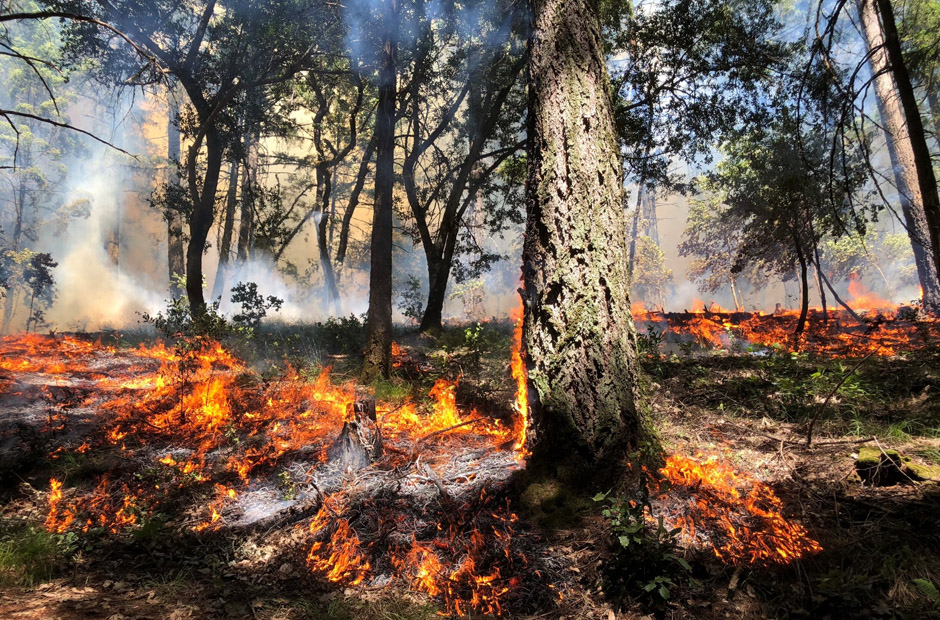
Fire exposure leaves behind damage that extends beyond what you see on surfaces and walls. The destruction continues long after the flames are out; smoke penetrates materials, soot accumulates on surfaces, and structural stability gradually becomes a concern. Navigating fire damage restoration without a clear recovery plan can lead to compounded damage and longer displacement. Here’s what you need to know about post-fire recovery and the role of fire damage restoration:
Containing Fire Damage
What makes fire damage particularly complex is how rapidly it extends beyond the point of origin. Smoke and soot move quickly through open spaces and material surfaces, broadening the affected area beyond what the initial destruction reveals. Water from firefighting efforts adds another layer of concern, seeping into floors and walls, weakening building materials in the process. What you’re left with is a property where the full extent of damage isn’t always immediately apparent.
Early stabilization focuses on limiting how far that damage progresses. Fire damage restoration professionals evaluate the property beyond its visible destruction to identify where smoke, soot, and moisture have traveled. That assessment shapes the entire scope of recovery, and without it, subsequent phases risk overlooking areas where damage continues developing beneath the surface. Timely evaluation and early identification of damages can result in a narrower scope of recovery work.
Removing Smoke and Soot
Smoke particles continue moving even after the fire is out. They work their way into fabrics, insulation, and drywall, materials that absorb fine particles and hold them beneath the surface. Airflow inside the property accelerates that process, pushing smoke particles through the space and depositing them in areas that may show no visible signs of contamination. Once embedded in materials, smoke particles continue affecting indoor conditions long after the fire is extinguished.
Soot behaves differently depending on the type of fire and the burned materials. Residues may be dry or oily. These residues bond with painted walls, flooring, and fixtures and require different approaches to removal. The longer soot remains, the deeper it integrates into the material, and the harder it becomes to clean without causing further damage to the surface underneath.
Removing smoke and soot residue requires methods and equipment that go beyond conventional cleaning. Industrial-grade products are matched to specific surface types because what works on painted walls doesn’t work on fabric or electronics. This material-specific approach is what separates professional restoration from standard cleanup. Effective cleaning determines how much of the affected content can be recovered.
Eliminating Persistent Odors
Even after thorough cleanup, a smoky odor often remains because its source is not always at the surface. Smoke particles tend to settle deep within walls, flooring, and furnishings, where they continue releasing compounds over time. Ventilation addresses airborne particles but does not address contaminants embedded within materials. The best approach for persistent odors is structural deodorization; this targets affected materials directly, addressing the odor at its source rather than masking it.
Rebuilding Fire-Damaged Areas
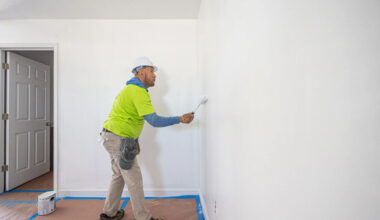
Structural rebuilding focuses on restoring the property to its pre-loss condition. The scope of reconstruction, whether partial repairs or full replacement, varies with the severity of the damage. Once rebuilding is complete, post construction cleaning helps remove dust, debris, and residue left behind during reconstruction, preparing the property for safe use and occupancy.
Hire a Fire Damage Restoration Company
The decisions you make in the hours following a fire often influence long-term recovery outcomes. Choosing the right restoration partner early determines not just the quality of the recovery but how quickly normal life or business operations resume. Professional restoration teams often operate around the clock, as early response plays a key role in limiting further fire-related damage. Contact a reputable restoration professional as soon as possible after a fire to begin assessment and limit further damage.