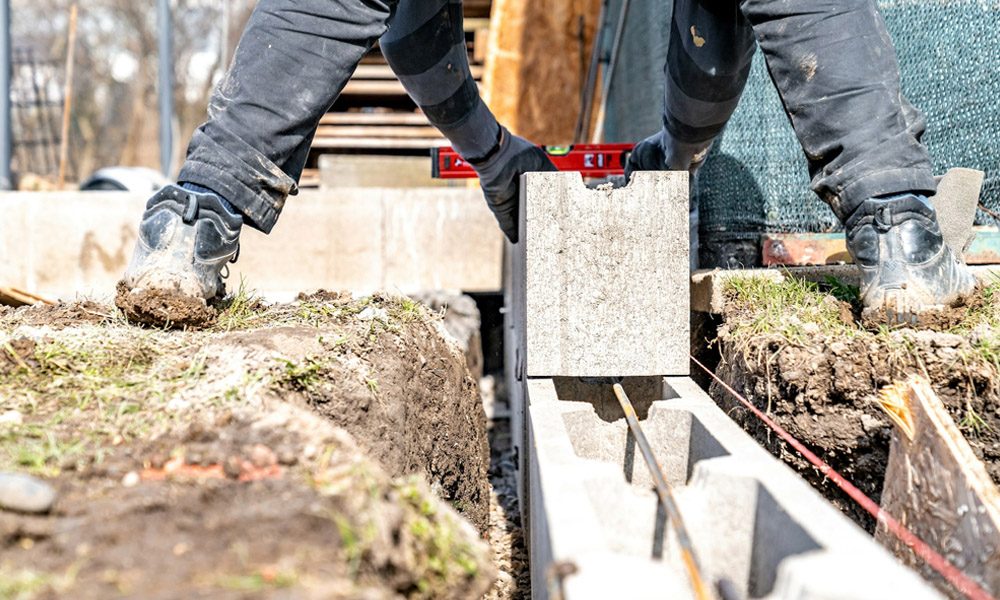
Foundation problems are often caused by hydrostatic pressure and shifting soil, placing stress on your home’s structure. While the first signs may seem minor, such as cracks in walls or floors, sticking doors, or misaligned windows, these issues are rarely just cosmetic. They often signal underlying structural damage that will worsen over time and should be addressed with prompt, professional repairs. Here are a few key tips for successful foundation repair projects:
Identify the Root Cause
Foundation damage has different causes, and identifying the right one forms the basis for successful repair. Expansive soils naturally swell when they absorb moisture and shrink as they dry; this creates ongoing pressure against foundation walls. In colder climates, repeated freeze-thaw cycles cause the soil to expand and contract, adding further stress to the foundation. Tree roots growing near the home also disrupt soil conditions and contribute to gradual ground movement. When drainage is inadequate, water accumulates around the foundation. This creates hydrostatic pressure that can exert significant force on foundation walls and compromise structural stability.
Foundation settlement is another cause of foundation damage. It occurs when soil beneath the footing shifts or compresses unevenly. As the foundation moves, damage often extends throughout the structure. Damage appears as wall cracks, sloping floors, and gaps around windows or exterior cladding.
Pay close attention to these warning signs. Bowing walls may indicate lateral soil pressure or hydrostatic forces pushing inward on the foundation. Doors and windows that stick or no longer sit squarely in their frames often indicate the structure is shifting beneath them. Repairing these symptoms without addressing their underlying cause often results in temporary fixes that fail to solve the root problem.
Match Solution to Soil Conditions
Soil type plays a major role in foundation performance. Cohesive soils, such as clay, retain water and change volume as moisture levels fluctuate. Non-cohesive soils, such as sand, drain more freely and respond differently to loading and environmental conditions. Because soil behavior varies from one property to another, foundation repair methods should be selected based on site-specific conditions.
A professional site evaluation helps identify the soil characteristics affecting the foundation. Repair options often include steel I-beams, wall anchors, and helical piers. Steel I-beams are installed along foundation walls to provide lateral support and help resist inward movement. Wall anchors connect the foundation wall to stable soil beyond the area affected by pressure from surrounding soils. Helical piers are used when foundation settlement is associated with weak or unstable soils. They transfer the weight of the structure to more stable ground.
Address Moisture-Related Problems
Water that consistently reaches a basement or crawl space does more than create a damp environment. Over time, it weakens wood floor joists through rot, stresses structural beams, and widens existing cracks. This happens through repeated wet-and-dry cycles. Active wall cracks are among the most common entry points for water intrusion into basements. Rod holes, which are the small openings left in concrete walls after form tie rods are removed during construction, are another commonly overlooked source of water intrusion. Addressing the structural repair while leaving these moisture pathways open tends to produce recurring problems rather than lasting ones.
Work With Foundation Repair Specialists
Foundation repair often involves structural loads, soil conditions, and specialized equipment that require technical knowledge to address properly. Professional contractors understand how different repair systems function and where each is most appropriate. Installation methods, load requirements, and site constraints all influence the success of a repair.
An experienced specialist evaluates these factors before recommending a course of action. They also make sure that the repair system is installed according to design specifications. With the right expertise, homeowners gain a solution that aligns with the conditions affecting their foundation rather than a one-size-fits-all approach.
Get Help With Foundation Repairs Today
Seasonal variations and ground movement influence how stabilized areas respond under load. Monitoring how the structure reacts to these conditions provides useful context for assessing long-term stability. Schedule a professional assessment today if your home is showing early signs of foundation stress.