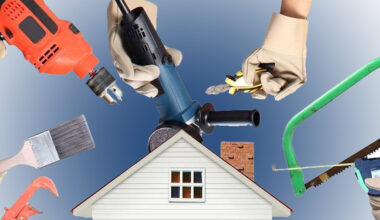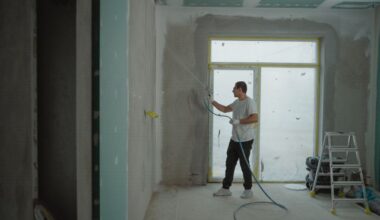
Most homeowners only think about maintenance when something has already gone wrong. A pipe bursts, a roof starts leaking, or the HVAC gives out on the hottest day in July, and suddenly you are scrambling for a contractor while managing water damage or sweltering heat. It is a stressful, expensive cycle, and the worst part is that it is almost entirely avoidable.
Preventative home maintenance is not glamorous. It does not come with the urgency of a flooded bathroom or the obvious satisfaction of fixing something already broken. But the numbers and the long-term reality make the case clearly: staying ahead of problems costs far less than reacting to them, and the peace of mind it buys is worth every dollar spent.
The True Cost of Waiting Until Something Breaks
Emergency repairs carry a price premium that preventative maintenance never does. When you call a contractor after a system has already failed, you are often paying for after-hours labor, expedited parts, and the kind of structural repairs that come from a small problem left to grow unchecked.
According to the Harvard Joint Center for Housing Studies, homeowners should expect to spend between 1 and 4 percent of their home’s value on maintenance each year. Skipping that investment does not save you money. It shifts the cost into a higher bracket, often with compounding damage attached. A roof inspection that catches a few compromised shingles might run a few hundred dollars. Replacing that same roof ahead of schedule because water infiltration rotted the decking beneath could cost $10,000 or more. The math is not subtle.
Your Roof Takes the Hardest Hit
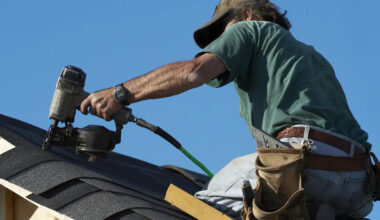
In Louisiana, the climate puts a specific kind of pressure on roofs. Heat, humidity, sudden severe storms, and hurricane season create a stress cycle that accelerates wear in ways homeowners from other regions may not fully appreciate. Shingles expand and contract with temperature shifts. Moisture works into small cracks and makes them larger over time. Gutters clog with debris from spring blooms and fall storms, causing water to back up under the roofline.
The roof is also one of those systems that gives early warning signs if someone actually looks for them. Granule loss, lifted shingle edges, cracked flashing around chimneys and vents, and soft spots on the decking visible from the attic all show up long before a leak starts appearing on your ceiling.
This is why local contractors encourage homeowners to schedule routine checkups rather than wait for a visible problem to develop. Residents who take advantage of free roof inspections in Lafayette regularly find minor issues that, caught early, cost a fraction of what full repairs would run after a season of unchecked moisture damage.
“We see it constantly,” says Marcus Daigle, a licensed roofing contractor based in Lafayette. “A homeowner calls us after a storm and thinks it is storm damage. Sometimes it is, but just as often we find that the real issue is deferred maintenance. That flashing had been pulling away for two years. A routine inspection would have caught it. Now they are dealing with water in the attic and a repair bill that keeps growing.”
Common Household Systems That Fail Without Regular Attention
The roof is not the only system that benefits from proactive care. Most major components of a home follow the same pattern: gradual degradation, early warning signs that go unnoticed, and eventual failure at the worst possible moment.
HVAC systems need filter replacements, coil cleaning, and annual tune-ups. A neglected unit works harder, consumes more energy, and fails earlier than one that receives regular service. In Louisiana summers, an AC breakdown is not just an inconvenience.
Plumbing shows wear through slow drains, minor leaks under sinks, and rust-colored water at fixtures. Small leaks can cause mold behind walls within days. Annual checks, by a plumber or through a careful DIY walkthrough, catch most of these before they become emergencies.
Foundation and drainage matter enormously in Louisiana’s high-moisture environment. Improper grading, clogged gutters, and poor drainage around a home’s perimeter allow water to pool and press against the structure year after year. These are slow problems with expensive finishes.
Electrical systems in older homes especially benefit from periodic inspection. Outdated wiring, overloaded circuits, and deteriorating panels are fire hazards. An electrician can identify these issues for far less than the damage they can eventually cause if ignored.
The Return on Investment of Preventative Maintenance
One of the strongest arguments for staying ahead of maintenance is the straightforward financial return. Research from HomeAdvisor consistently shows that homeowners who practice consistent preventative maintenance spend significantly less over a 10-year horizon than those who only address problems after they surface.
Beyond direct repair savings, a well-maintained home holds its market value more reliably. When it comes time to sell, deferred maintenance is one of the most common reasons home inspections surface thousands of dollars in demanded price reductions. Buyers and their inspectors can spot a neglected roof, a failing water heater, or evidence of long-standing moisture damage quickly.
A well-maintained home is also more insurable. Carriers take maintenance history into account, and some claims are denied outright when evidence shows a problem resulted from neglect rather than sudden damage.
A Preventative Maintenance Calendar for Louisiana Homeowners
Breaking maintenance into a seasonal rhythm makes the whole process manageable rather than overwhelming.
Spring: Check the roof after winter weather for shingle damage and flashing issues. Clean gutters thoroughly. Service the AC before the summer heat arrives. Inspect the attic for any signs of moisture accumulation.
Summer: Monitor drainage around the foundation during heavy rains. Check window and door seals for gaps that let in humidity and drive up cooling costs.
Fall: Clear gutters again before storm season intensifies. Inspect weatherstripping on exterior doors. Have the HVAC serviced before heating season begins.
Winter: Check pipe insulation in exposed areas during cold snaps. Inspect the attic and crawl space for moisture buildup. Have a licensed electrician assess any tripped breakers or flickering lights that have become routine occurrences.
Where to Start
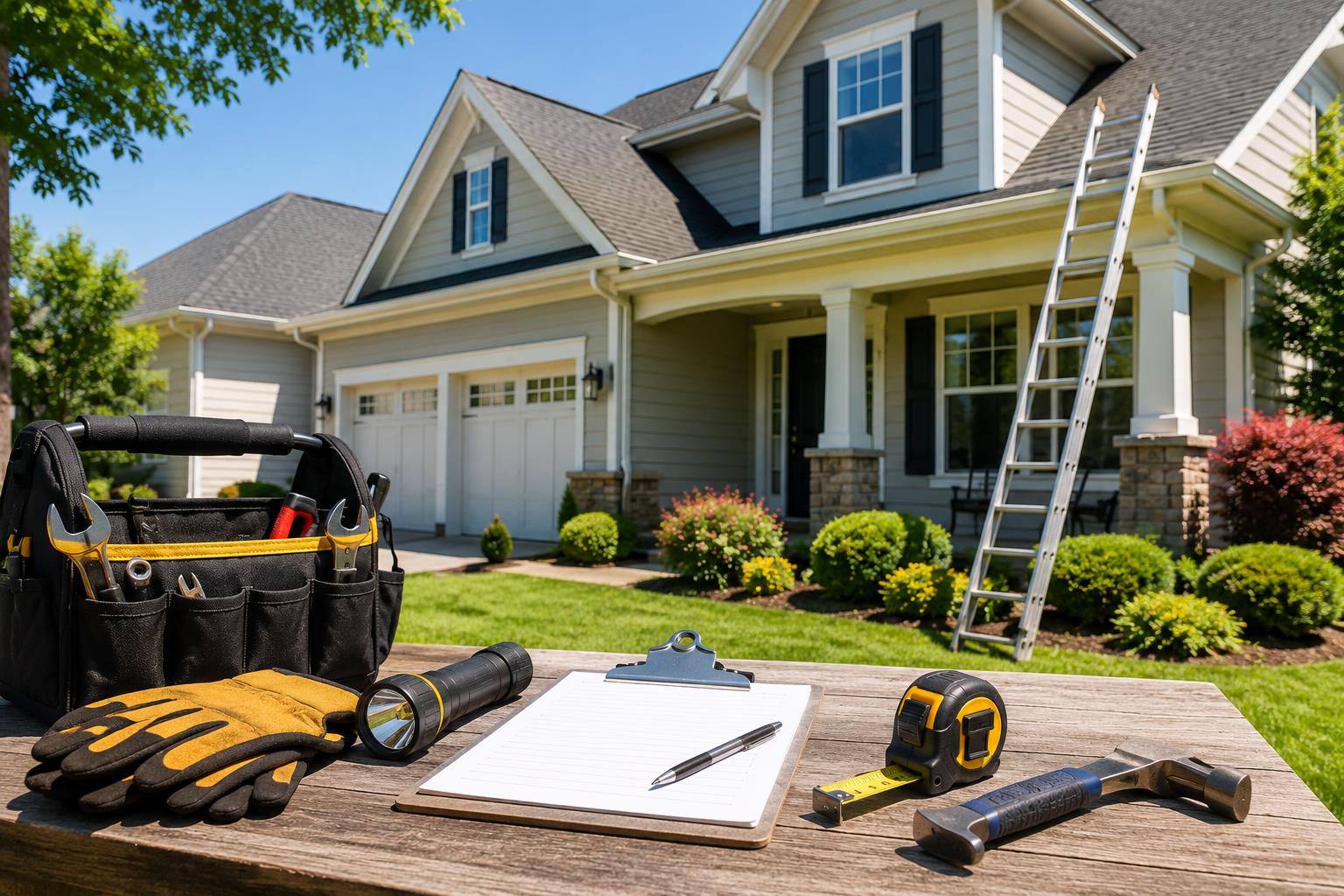
If preventative maintenance has not been a regular habit, the first step is a simple walkthrough with a checklist. Start with the systems that carry the highest failure cost: the roof, the HVAC, and the plumbing. Schedule professional inspections for anything that requires a trained eye.
For Louisiana homeowners, the roof deserves priority given the regional climate. Humidity, heat, and storm activity compound wear faster here than in most of the country, and the cost of doing nothing adds up quickly. A small investment in routine inspections pays back many times over when it prevents a mid-summer emergency on a water-damaged roofline.
The core truth of preventative maintenance comes down to this: problems do not wait for a convenient moment to become expensive. Catching them early, on your own terms and timeline, is always the better deal.