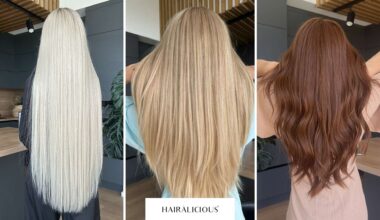
When choosing a wig, many people start with the visible details: colour, length, density, or haircut. These choices are important because they shape the final look. However, they do not fully explain why some wigs move more naturally, feel lighter, and allow more styling freedom than others.
The real difference often lies in the construction. More specifically, it depends on how the hair is attached to the cap. In high-quality wigs, craftsmanship can change everything — from the way the hair falls around the face to how realistic the wig looks when styled in a ponytail, bun, or braid.
This is where hand-tied construction becomes especially important. A hand-tied wig is not simply a more expensive version of a regular wig. It is made differently, behaves differently, and offers a level of movement that machine-made constructions usually cannot fully replicate.
What Does “Hand-Tied” Mean in Wig Construction?
In wig making, “hand-tied” means that individual strands of hair are tied into the wig base by hand. Instead of sewing rows of hair onto the cap, each hair is carefully knotted into the lace or base material.
This process is slow and detailed. It requires precision, patience, and a strong understanding of how hair should fall naturally. Because of this, hand-tied wigs usually take much longer to make than machine-made or wefted wigs.
The result is a more flexible and natural finish. Since the hair is not attached in thick rows, it can move more independently. This makes the wig feel softer, lighter, and closer to the movement of natural growing hair.
Why Full Lace Construction Gives More Freedom
Full lace wigs are different from wigs that only have lace at the front or top. In a full lace wig, the entire cap is made from lace, and the hair is tied throughout the whole base.
This matters because the hair can move and be styled from every angle. With some wig types, the front may look very realistic, but the back contains wefts that need to stay hidden. This can limit how the hair can be lifted or parted.
With full lace construction, there is more flexibility. The hair can be parted in different directions, including at the back. It can also be styled into ponytails, buns, braids, or half-up hairstyles with a more natural result.
For anyone who wants a wig that does not restrict everyday styling, this construction can make a big difference.
The Difference Between Wefted and Hand-Tied Wigs
Wefted wigs are made with sections of hair sewn into rows. This method is common, practical, and often more affordable. Wefts can also add durability and volume, which makes them suitable for many everyday wig wearers.
However, wefts have limitations. Because the hair is attached in lines, it does not always move as freely. If the hair is lifted too high or parted in certain areas, the construction underneath may become visible.
Hand-tied wigs behave differently. Since the strands are individually knotted, the hair has more natural movement and less visible structure underneath. This is especially useful when creating styles where the base of the wig may be more exposed.
Neither construction is automatically “wrong.” The better choice depends on how the wig will be worn. But for maximum realism and styling flexibility, hand-tied construction usually offers more possibilities.
Why Movement Matters So Much
Natural hair does not move in one solid block. It separates, falls, lifts, and shifts depending on how the head moves. A wig that moves too stiffly can look less realistic, even if the colour and cut are beautiful.
Hand-tied construction helps avoid that heavy, fixed effect. Because each strand has more freedom, the hair can respond more naturally to movement. It can fall around the face in a softer way and look more believable from different angles.
This is especially noticeable in longer styles. Long hair needs to move well, otherwise it can look heavy or artificial. A well-made hand-tied wig allows the hair to fall with more flow, making the overall look feel more authentic.
Why Full Lace Wigs Are Popular for Updos
One of the biggest advantages of full lace wigs is their ability to support more complex hairstyles. Many wig wearers want the freedom to tie their hair up, especially during warm weather, workdays, workouts, or formal occasions.
With a full lace construction, styles like ponytails, buns, braids, and half-up looks become easier to achieve. Because the hair is tied throughout the cap, the base can look more natural even when the hair is lifted.
This does not mean every hairstyle will be completely effortless. Some styles may still need careful placement, light styling, or extra preparation. But compared to many other cap constructions, full lace gives much more freedom.
For women who do not want to feel limited by their wig, this flexibility is often one of the main reasons to choose hand-tied full lace human hair wigs.
Human Hair Makes the Construction Even More Realistic
The construction of a wig is only one part of the result. The type of hair also matters. Human hair wigs usually look and behave more naturally than synthetic wigs because the hair reflects light, moves, and responds to styling in a more familiar way.
Human hair can usually be curled, straightened, washed, and restyled with the right care. This makes it especially useful in a full lace wig, where styling flexibility is already one of the main advantages.
When hand-tied construction is combined with quality human hair, the result is more versatile. The wig can look polished when worn straight, soft when curled, and more natural when tied back.
This combination is especially important for long-term wear. A wig that can be adapted to different situations is often easier to use and more satisfying over time.
Craftsmanship Affects Realism Up Close
A wig may look good from a distance, but craftsmanship becomes more visible up close. The way the knots are tied, the density of the hairline, the lace quality, and the transition between different areas of the cap all affect the final result.
In a carefully made hand-tied wig, the hair should not look like it is sitting on top of the head. It should look as though it belongs there. This is achieved through small technical details that may not be obvious at first glance but become very important during daily wear.
For example, a natural-looking hairline usually needs a gradual density transition. The front should not be too thick or harsh. The knots should also be small and discreet enough to create the illusion of hair growing from the scalp.
These details take time to create. That is one reason why high-quality full lace wigs often cost more than simpler constructions.
Are Hand-Tied Full Lace Wigs Comfortable?
Many people choose full lace wigs not only for styling, but also for comfort. Lace construction can feel lighter and more breathable than heavier cap types, especially when the wig is well fitted.
A good fit is essential. Even the best wig can feel uncomfortable if the size is wrong. If the cap is too small, it may cause pressure or headaches. If it is too large, it may shift or wrinkle.
Hand-tied wigs can also feel more natural because the hair is distributed across the cap rather than concentrated in rows. This can help avoid bulk and create a softer overall feel.
For people with sensitive scalps or hair loss, comfort is especially important. A wig should feel secure without unnecessary tension, rubbing, or pressure.
What to Know Before Buying One
Before buying a full lace wig, it is important to think about your needs honestly. This construction is ideal if you want styling freedom, realistic movement, and a natural look from many angles.
However, full lace wigs also require gentle care. Lace is delicate, and individually tied knots should be handled carefully. Brushing, washing, and styling should be done with patience to protect the wig over time.
You should also consider whether you will actually use the styling options that full lace provides. If you mostly wear your hair down and do not need high ponytails or complex updos, another high-quality wig construction may also work well.
But if you want maximum flexibility, full lace can be one of the most versatile choices available.
Final Thoughts
Hand-tied craftsmanship changes the way a wig behaves. It affects movement, comfort, styling freedom, and realism. While colour and length shape the visual impression, construction determines how natural the wig feels in daily life.
Full lace wigs are especially valued because the hair is tied throughout the entire cap. This allows more parting options, more natural movement, and a wider range of hairstyles.
For anyone looking for a wig that can move, lift, part, and style more like natural hair, hand-tied full lace construction is worth understanding before making a purchase.