Your home is more than just a place to live; it represents safety, comfort, and one of your most significant lifetime financial investments. However, your property’s exterior faces a relentless onslaught from nature every single day. From blistering summer heat and torrential downpours to freezing winter snow and high winds, changing seasonal weather can take a heavy toll on any structure.
Failing to protect your home from weather damage can lead to costly structural issues, mold infestations, and permanently decreased property value. Fortunately, taking a proactive approach to exterior maintenance can safeguard your investment and keep your living spaces comfortable year-round. Here are the best ways to protect your home from severe weather damage.
1. Prioritize Roof and Gutter Maintenance
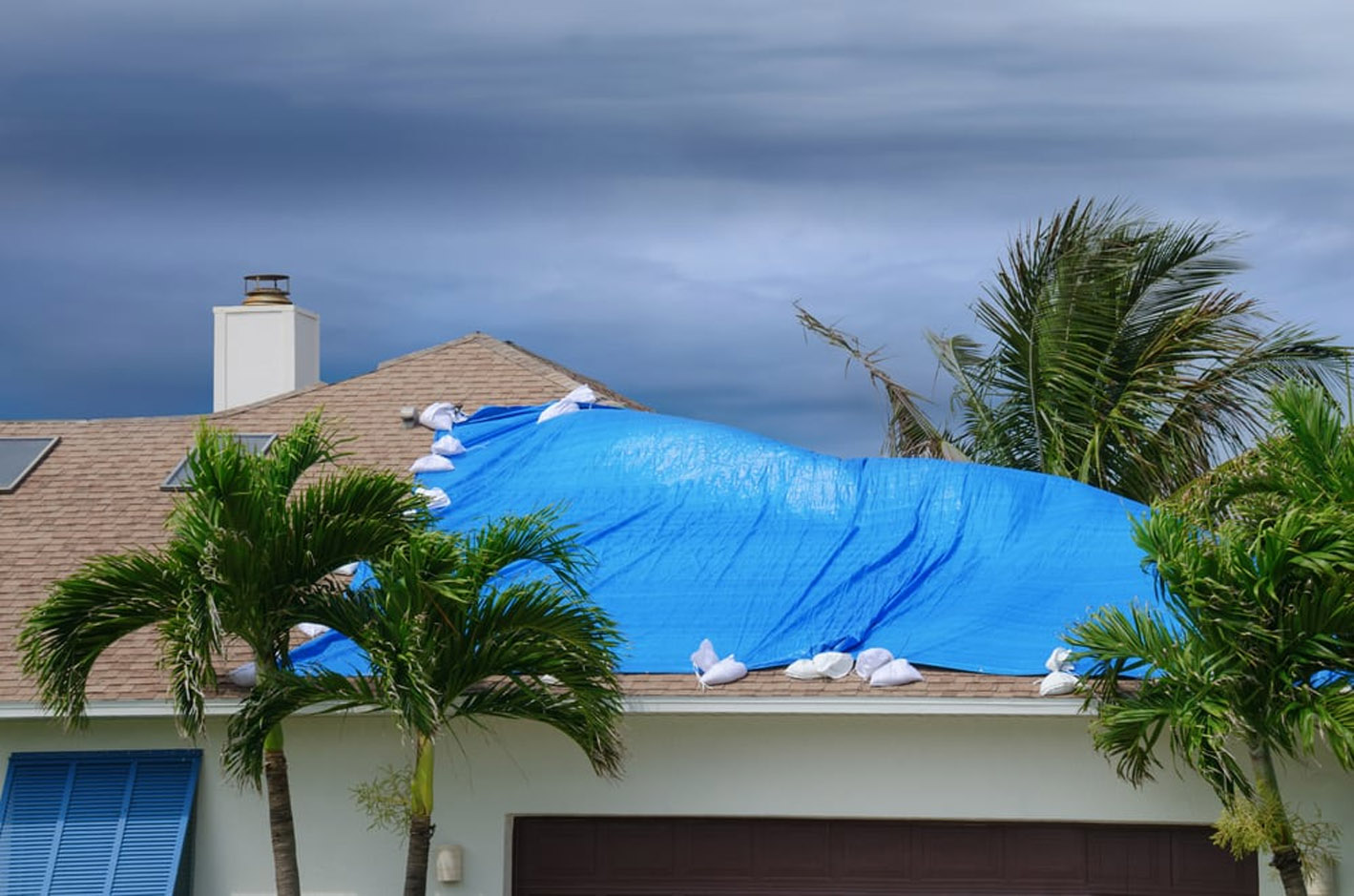
Your roof is your home’s primary shield against the elements, making it the very first line of defense against rain, snow, and intense UV rays. To ensure it remains structurally sound, inspect your roof at least twice a year and immediately following severe storms. Look for missing, cracked, or curling shingles, as well as compromised flashing around chimneys and attic vents.
Equally important to your roof health is a functional gutter system. Clogged or broken gutters fail to route water properly, causing it to overflow and pool around your home’s foundation. This foundational pooling can quickly lead to basement flooding, soil erosion, and weakened structural integrity. Clean your gutters at least twice a year—ideally in the spring and autumn—and consider installing gutter guards to reduce debris buildup and maintain seamless water flow.
2. Upgrade and Inspect Your Siding
If the roof is your home’s primary shield, the siding is its protective armor. High-quality siding protects your exterior walls from moisture intrusion, pest infestations, and heavy winds. When siding panels become cracked, warped, or detached, water can seep behind them, causing hidden wood rot, ruined insulation, and dangerous mold growth.
Regularly inspect your siding for signs of wear, physical damage, or severe fading. For homeowners facing intense local seasonal shifts—from freezing winter blizzards to dry summer heat—maintaining a durable exterior barrier is essential. If you notice widespread deterioration or want to drastically improve your home’s insulation, partnering with professional siding contractors in Salt Lake City ensures that your new siding is installed flawlessly with no gaps for moisture to penetrate. Upgrading your home’s siding also boosts energy efficiency, lowers utility bills, and elevates curb appeal.
3. Seal Windows and Doors
Windows and doors are notorious weak points when it comes to weather damage and indoor energy loss. Over time, the caulking and weatherstripping that seal these openings can crack, shrink, or wear away due to temperature fluctuations. This allows drafts to enter, forcing your heating and cooling systems to work harder and driving up your monthly utility costs.
More importantly, compromised window and door seals allow rainwater and melted snow to seep into your walls, damaging drywall and framing. Check the seals around all exterior doors and windows annually. Replace worn weatherstripping and apply a fresh bead of high-quality exterior caulk to any visible gaps to keep your home airtight and moisture-free.
4. Optimize Landscaping and Exterior Drainage
The ground surrounding your property plays a massive role in how well your home handles severe weather. Poor exterior drainage can result in water pooling near your foundation, which can crack concrete and flood basements.
To mitigate this risk, ensure the soil around your foundation is properly graded, meaning it slopes downward and away from your house. Additionally, keep trees and large shrubs trimmed well away from your roof and siding. Strong storm winds can easily snap overgrown branches, causing severe structural damage to your shingles or puncturing your exterior siding panels. Properly managed landscaping keeps water moving safely away from your home and prevents physical storm hazards.
5. Protect Exterior Paint and Concrete Surfaces
Paint acts as a protective sealant for wood and composite materials. When paint chips or peels, the underlying material is exposed directly to moisture and sun damage, accelerating rot. Inspect your home’s exterior paint annually and touch up vulnerable areas promptly to extend the lifespan of your exterior surfaces.
Do not forget about your concrete driveways and walkways. In colder climates, water can seep into porous concrete, freeze, and expand. This freeze-thaw cycle creates immense internal pressure, leading to deep cracks, unlevel surfaces, and tripping hazards. Sealing your concrete regularly prevents water infiltration and preserves the longevity of your walkways against harsh winter elements.
Conclusion
Protecting your home from weather damage is an ongoing commitment, but the peace of mind it provides is invaluable. By maintaining your roof, upgrading your siding, sealing openings, and managing exterior drainage, you can prevent minor issues from escalating into devastating, expensive repairs. A well-protected exterior not only preserves your home’s structural integrity but also enhances its long-term market value, ensuring your sanctuary remains safe and beautiful for years to come.