Walk into any estate sale in Scottsdale on a Saturday morning and the jewelry table draws a crowd. Rings, pendants, and vintage brooches disappear within the first hour, often to buyers who drove across the Valley specifically for them. That kind of demand is not accidental. It reflects a broader shift in how Arizonans think about fine jewelry, what they value in a piece, and why a ring with a history has started to outshine one fresh from a display case.
The Market Behind the Momentum
Pre-owned jewelry sits within the larger secondhand luxury category, and that category is expanding fast. The United States secondhand luxury goods market was valued at $8.1 billion in 2024 and is expected to reach $16 billion by 2033, growing at a compound annual rate of 7.46%. Sustained growth at that pace does not happen without a real shift in consumer behavior. Arizona sits squarely in the middle of it.
Several factors make the state a particularly active market. Arizona has seen consistent population growth over the past decade, drawing both younger transplants and retirees relocating from higher-cost states. That combination creates a natural two-sided market. Retirees and older residents often hold significant jewelry collections built up over decades, while newer arrivals bring different tastes and a comfort with buying pre-owned. The result is a steady flow of inventory and a buyer pool that replenishes itself regularly.
Arizona’s Cultural Connection to Fine Jewelry
A Region Built on Precious Materials
Arizona’s relationship with jewelry runs deeper than retail trends. The state’s trade has roots shaped by its natural resources and cultural heritage, with a long-standing connection to silver, turquoise, and gold production that made it a hub for both crafting and trading fine pieces. Native American artistry, known for intricate silverwork and turquoise designs, influenced both local styles and national jewelry trends.
That foundation matters. Residents here have grown up around fine materials, handcrafted pieces, and the idea that jewelry carries meaning beyond its retail price. A turquoise cuff passed down through a family carries a different kind of weight than something bought new. That sensibility has shaped how Arizonans approach the pre-owned market.
Estate Jewelry and the Inheritance Factor
The generational wealth transfer currently underway across the country is particularly visible in Arizona, where large retirement communities mean a substantial volume of estate jewelry enters the market each year. Heirs are not just inheriting jewelry, they are re-imagining it, driving increasing demand for redesigns, restorations, and thoughtful customization using high-quality natural diamonds. For many families, selling a portion of an inherited collection and reinvesting in a redesigned piece is both a practical and emotionally meaningful choice.
This dynamic keeps the local resale ecosystem healthy. Pieces move from estate to buyer, from buyer to jeweler, from jeweler back into circulation. The supply never dries up entirely, which sustains both pricing and buyer interest.
What Buyers Are Actually Looking For
Value Without Compromise
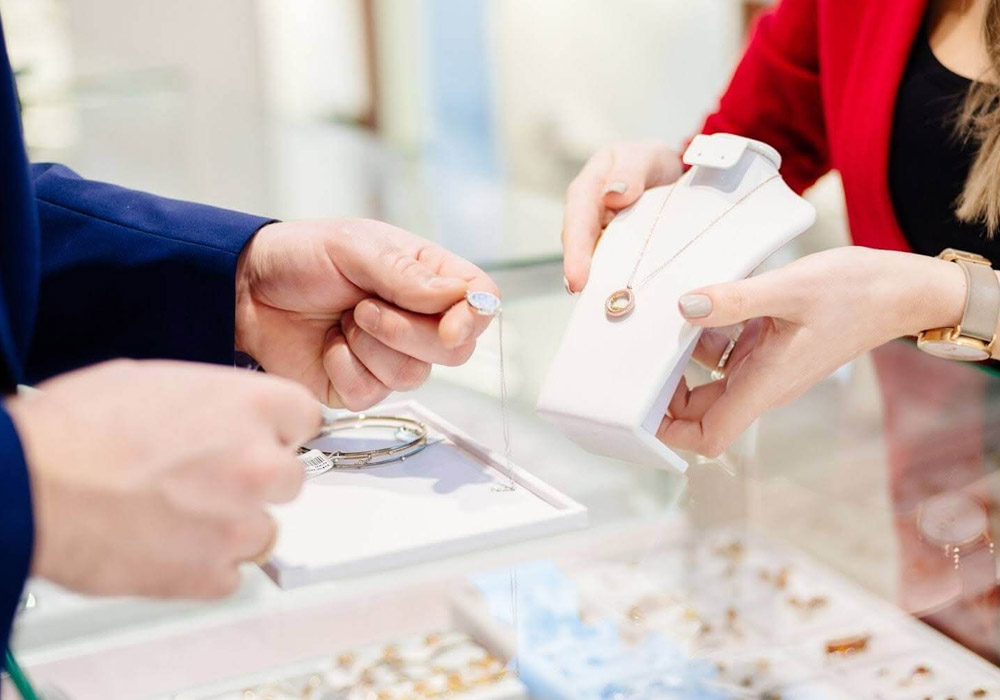
The appeal of pre-owned jewelry is not about paying less alone, though that is certainly part of it. Pre-owned fine jewelry offers luxury craftsmanship and natural materials at more accessible prices, and natural diamonds, especially pre-owned ones, are increasingly seen as more stable long-term investments than lab-grown alternatives. Knowledgeable local jewelers such as E.D. Marshall frequently recommend well-maintained estate pieces to buyers seeking genuine quality and long-term value.
The Uniqueness Factor
Mass-produced jewelry, by definition, lacks individuality. A vintage Art Deco platinum ring or a mid-century Retro-era gold bracelet is not something a person will spot on someone else at a dinner party. That exclusivity carries real appeal, particularly among buyers who want their jewelry to say something specific about their taste. One-of-a-kind or nothing.
A growing number of consumers are prioritizing uniqueness in what they buy. Collectors, particularly those seeking limited-edition or vintage items, are increasingly turning to secondhand markets to find pieces with a history. In Arizona’s affluent communities, especially around Paradise Valley and north Scottsdale, that preference for estate jewelry has made it a first choice rather than a fallback.
Sustainability as a Genuine Motivator
Younger buyers in Arizona are approaching pre-owned jewelry with environmental awareness built in. Choosing a recycled diamond or a vintage gold ring sidesteps the environmental costs of new mining entirely. Secondhand jewelry and reclaimed materials represent the most sustainable option available, given the environmental and social effects of both mining and lab-created production.
This is not a fringe concern. It shapes purchasing decisions in a meaningful way, particularly among buyers in their twenties and thirties who are entering the fine jewelry market for the first time.
How Technology Changed the Buying Experience
The pre-owned jewelry market in Arizona used to operate almost entirely through personal relationships and word of mouth. A trusted jeweler, a local estate sale, a pawn shop with a good reputation. That infrastructure still exists, but technology has layered new options on top of it.
Online appraisal tools now let sellers get preliminary value estimates without leaving home, while secure shipping options make it easier to sell to reputable buyers anywhere in the state. Video consultations have replaced many in-person visits, expanding access for people outside major cities. Hybrid models, where local jewelers combine in-store and online services, are becoming common.
The practical effect is that buyers have more information than ever before. They can research a piece, compare prices across multiple platforms, and arrive at an in-person appointment with a clear sense of what they want to pay. And that informed buyer is good for the market overall. It builds trust, reduces the anxiety that used to surround pre-owned purchases, and encourages repeat transactions.
Social media has added another layer. Instagram and TikTok have made vintage and estate jewelry visually aspirational in a way that catalog photography never quite managed. A well-photographed Art Nouveau pendant in the right lighting reaches an audience that a mall display case cannot.
Younger Generations Are Rewriting the Rules
The generational shift in who buys pre-owned jewelry is one of the most significant forces reshaping the Arizona market. Gen Z and Millennials are driving the rise of secondhand, rental, and customization. Forty percent of Gen Z and 28 percent of Millennials have already purchased secondhand products, while 41 percent and 27 percent, respectively, have also sold them. These are not passive observers. They are active participants on both sides of the transaction.
For this group, buying pre-owned is not a compromise. It is a statement about values, aesthetics, and financial priorities all at once. A vintage engagement ring carries a story. A pre-owned designer piece shows an eye for quality without the premium of a new retail markup. That combination of meaning and value resonates with buyers who grew up questioning consumption for its own sake.
The sellers in this demographic are equally engaged. Younger Arizonans are more likely to treat jewelry as something that can be rotated, resold, and swapped out for something that fits better where they are in life. That fluidity keeps the market moving.
Conclusion
The conditions driving Arizona’s pre-owned jewelry market are structural, not cyclical. Population growth, an aging resident base with substantial collections, a culturally rooted appreciation for fine materials, and a younger generation that has made secondhand buying part of its identity. These forces reinforce each other.
Sustainability trends show no sign of slowing, and demand for unique, high-quality pre-owned pieces is likely to stay strong. As more people grow comfortable mixing online and in-person transactions, the market will keep expanding beyond traditional store locations. The state’s pre-owned jewelry scene is not just keeping pace with national trends. In many ways, it is showing what a mature, trust-based resale market actually looks like.