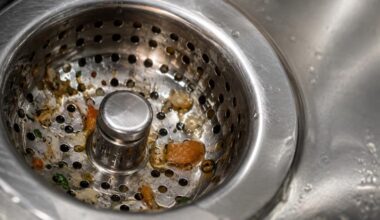
A backed-up kitchen sink can quickly interrupt dinner cleanup, whether you are rinsing dishes after a family meal or preparing for guests in Provo, Utah. The important first step is identifying whether the problem is a jammed disposal, a drain blockage, a leak, or an electrical issue.
For homeowners who need hands-on help beyond basic checks, professional garbage disposal repair in Provo Utah can help address the unit and the connected kitchen drain system. A disposal may be the visible symptom, but the trap, dishwasher connection, and branch drain can also contribute to slow drainage or standing water.
Key Takeaways
- A humming disposal, a silent unit, a leak, and a backed-up sink can indicate very different problems.
- Disconnect power before inspecting or handling anything beneath the sink.
- A disposal that runs normally may still be connected to a clogged trap or drain line.
- Grease, fibrous scraps, starchy foods, and hard objects are common causes of jams and backups.
- Persistent leaks, burning smells, repeated resets, and breaker trips call for professional diagnosis.
Why Garbage Disposals Fail
A garbage disposal is only one part of a larger kitchen plumbing system. Food enters the grinding chamber, passes through the outlet connection, and then travels through the trap and drain pipe. If any point in that route is restricted, the sink may drain poorly even when the disposal motor sounds normal.
Common causes include food buildup, utensils or other foreign objects, worn seals, loose drain connections, electrical overloads, corrosion, and clogs farther down the line. For example, a disposal may run without unusual noise while water remains in the sink because the blockage is sitting in the trap or branch drain, not inside the appliance.
What Common Symptoms Mean
The symptom often provides a useful starting point, but it does not replace a safe inspection.
| Symptom | Possible Cause | First Safe Step |
|---|---|---|
| Motor hums but will not spin | Jam, overload, or motor problem | Turn off power and stop using the switch |
| Disposal is silent | Power, switch, breaker, or wiring issue | Check the outlet and breaker without opening the unit |
| Water leaks below the sink | Loose fitting, worn seal, or damaged housing | Stop use and place a container below the leak |
| Sink fills while disposal runs | Clogged outlet, trap, or drain line | Stop adding water and avoid repeated cycles |
Safety Rules Before Troubleshooting
Never put hands or fingers into the disposal opening. Turning off the wall switch is not enough protection for hands-on work. Disconnect the plug beneath the sink or turn off the correct circuit breaker before looking inside, removing an object, or checking the reset button.
- Use a flashlight to inspect the chamber.
- Use long pliers to retrieve an object only after power is disconnected.
- Do not repeatedly flip the switch if the motor only hums.
- Keep water away from exposed electrical connections.
- Do not mix drain-cleaning products or use them in a damaged disposal.
Basic cleaning should also be handled carefully because hands should stay out of the grinding chamber, even when the unit is switched off.
Safe Checks to Try First
- Turn off the wall switch.
- Disconnect power at the outlet or breaker.
- Wait a few minutes for the motor to cool.
- Look into the opening with a flashlight.
- Remove visible objects with long pliers, never bare hands.
- Check the reset button on the bottom of the unit if the model has one.
- Restore power only after the area is dry and clear.
- Test briefly with cold water running.
Stop the test immediately if the unit hums, shakes heavily, leaks, produces a burning odor, or trips the breaker again.
How to Tell Where the Clog Is
A disposal jam and a drain blockage usually behave differently. A jam can keep the internal mechanism from turning and may produce a hum. A drain blockage often allows the disposal to run while water drains slowly, rises in the sink, or moves into the other basin of a double sink.
- If the disposal will not turn, suspect a jam, overload, or power problem.
- If it runs but the sink fills, the restriction may be in the outlet, trap, or drain line.
- If both basins back up, the blockage may be farther along the shared drain.
- If the dishwasher drains into the sink, its connection or the kitchen drain may be restricted.
Foods and Items to Keep Out
A disposal is intended for small amounts of suitable food waste, not every scrap from meal preparation. Keep cooking grease, oil, and fat out of the sink because the EPA advises keeping grease and food solids out of drains to reduce plumbing and wastewater problems.
- Large quantities of grease, oil, butter, or fat
- Large bones, hard shells, glass, metal, plastic, and bottle caps
- Fibrous peels, husks, celery strings, and stringy vegetables
- Heavy amounts of rice, pasta, or starchy potato scraps
- Paper towels, wipes, packaging, and other nonfood material
Scrape plates into the trash or compost bin when possible, and check the disposal manufacturer’s instructions before using cleaners or processing unfamiliar food waste.
When to Repair or Replace
Repair can make sense for a minor jam, a loose connection, a reset issue, or a replaceable gasket. Replacement is often more practical when the disposal body is cracked, corrosion is extensive, the motor repeatedly fails, or the unit leaks from its housing rather than a connected pipe.
Consider the full condition of the kitchen setup. An older disposal that is noisy, unreliable, and difficult to match with the existing sink or dishwasher connection may not be worth repeated service visits. On the other hand, replacing a working disposal will not solve a clog farther down the drain line.
Simple Maintenance Habits
- Run cold water while grinding suitable scraps.
- Feed waste gradually instead of filling the chamber at once.
- Continue running water briefly after grinding stops.
- Wipe greasy pans before washing them in the sink.
- Use a sink strainer to catch hard items and large scraps.
- Clean the splash guard and inspect beneath the sink for dampness.
When to Call for Help
Professional service is the safer choice when water reaches electrical components, a burning smell appears, the breaker keeps tripping, severe vibration occurs, or the disposal housing leaks. Help is also appropriate when wastewater remains in the sink, a foreign object cannot be safely removed, or repeated resets do not restore normal operation.
In Provo homes, a careful diagnosis can prevent the need to replace a disposal when the real issue is a clogged trap, dishwasher drain connection, or kitchen branch line. Addressing the correct part of the system protects the sink, cabinets, and surrounding plumbing from a larger mess.