Key Takeaways
- Choose a fence based on its main job, whether that is pet containment, privacy, safety, visibility, or boundary definition.
- Fence height, opening size, gate hardware, posts, and ground clearance affect how well the finished fence performs.
- Open, semi-private, and solid styles each create different trade-offs for light, supervision, privacy, and maintenance.
- Local placement rules, easements, drainage, and utility locations should be reviewed before materials are ordered.
- Long-term fence value depends on installation quality and regular inspections, not material alone.
A fence is more than a finishing touch for a Nevada, Texas, property. It can shape how people, pets, vehicles, and visitors move through the yard. It can also establish a visible boundary, help manage access, screen a patio, or make outdoor play areas easier to supervise.
For homeowners comparing practical enclosure options, 326 Fencing & Construction is based in Nevada, Texas, and provides fence construction and installation across Collin County, including Nevada, Lavon, Josephine, Farmersville, Princeton, McKinney, and surrounding North Texas. Its services include wood, metal, pipe-and-steel, ranch-style, and privacy fencing; custom gates; and residential property fencing, giving the company hands-on relevance in planning around local lots, gates, grades, and property lines.
Start With the Fence’s Main Purpose
The best-looking option is not automatically the best option for daily use. Before selecting a style, identify what the fence must accomplish. A family with an energetic dog may prioritize secure mesh and a dependable gate. A homeowner near a busy street may value visibility. Another property may need a more private backyard setting.
- Safety: Limit access to a pool, driveway, work area, or other higher-risk space.
- Containment: Keep children, pets, or livestock within a defined area.
- Privacy: Reduce views from neighboring homes, roads, or shared outdoor spaces.
- Visibility: Maintain a clear line of sight across the yard or toward the street.
- Boundary definition: Mark the usable edge of the property without creating a visual wall.
Compare Open, Semi-Private, and Solid Styles
Open fencing, including chain link and many metal designs, allows air and light through while making it easier to see activity on both sides. The woven-wire construction used in chain-link fencing creates a recognizable diamond pattern that can provide containment without closing off the view.
Semi-private choices, such as spaced wood boards or chain link with privacy slats, soften sightlines while retaining some airflow. Solid wood or vinyl panels offer stronger screening, but they also create a larger surface for wind and require careful attention to post strength, drainage, and repairs. The right choice depends on which matters more in a particular part of the yard: openness, screening, or a balance of both.
Match the Material to Upkeep and Conditions
- Wood: Offers a traditional appearance and flexible design options, but may need staining, sealing, or replacement boards over time.
- Chain link: Provides visibility, practical containment, and a relatively simple structure. Galvanized and coated options can suit different appearance and maintenance preferences.
- Steel or ornamental metal: Can provide a clean, open look, though finishes, fasteners, and gate hardware still need periodic checks.
- Vinyl: Is available in open and solid styles and can be cleaned with routine washing. Damaged sections may require replacement rather than repair.
- Pipe-and-steel fencing: Can be a useful option for larger properties, utility areas, or agricultural-style layouts.
In North Texas, assess the exact site rather than assuming every part of the yard is the same. Sun exposure, standing water, slope changes, mature trees, mower access, and soil conditions can all influence material and layout decisions.
Plan Height, Mesh, and Spacing With Care
Height should support the fence’s purpose without exceeding applicable local restrictions. A low decorative boundary may work near a front walk, while a pet enclosure or privacy screen may need a taller configuration. For pet and child safety, pay attention to bottom clearance, gap size, climbable features, and whether an animal can push beneath or through the fence.
Pool barriers deserve additional care. The Consumer Product Safety Commission’s home-pool barrier guidance emphasizes layers of protection and addresses fences, gates, and access control. Homeowners should also confirm the requirements that apply to their city, neighborhood, and specific pool installation.
Give Gates Equal Importance
A strong fence can still be frustrating if the gate is undersized, drags on the ground, or fails to latch. Plan gate width for the real-world use of the space, including people, trash bins, lawn equipment, trailers, or vehicles. Match hinges and posts to the gate’s weight, allow for uneven ground, and test the swing path before finalizing the layout.
Gate Planning Checklist
- Choose a width that supports routine access.
- Use hardware suited to the gate material and weight.
- Place latches where adults can use them easily and safely.
- Consider self-closing and self-latching hardware where safety requirements call for it.
- Keep gates clear of sidewalks, driveways, drainage paths, and utility access points.
Use the Site Layout Before Choosing the Final Design
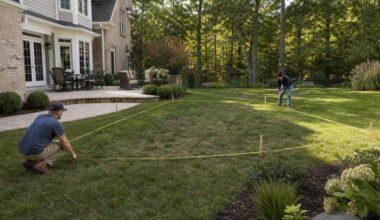
Mark the proposed fence route before digging begins. This step can reveal conflicts with trees, sprinkler components, septic areas, easements, retaining edges, and neighboring improvements. It also helps homeowners see whether a straight line works visually and functionally on a sloped yard.
Professional installation details matter. Secure terminal posts, properly tensioned fabric, aligned panels, well-fitted gates, and drainage-aware placement all support a fence that stays useful over time. Ask for a written estimate that separates material, labor, gates, removal, permits, and potential site adjustments.
Inspect the Fence Twice Each Year
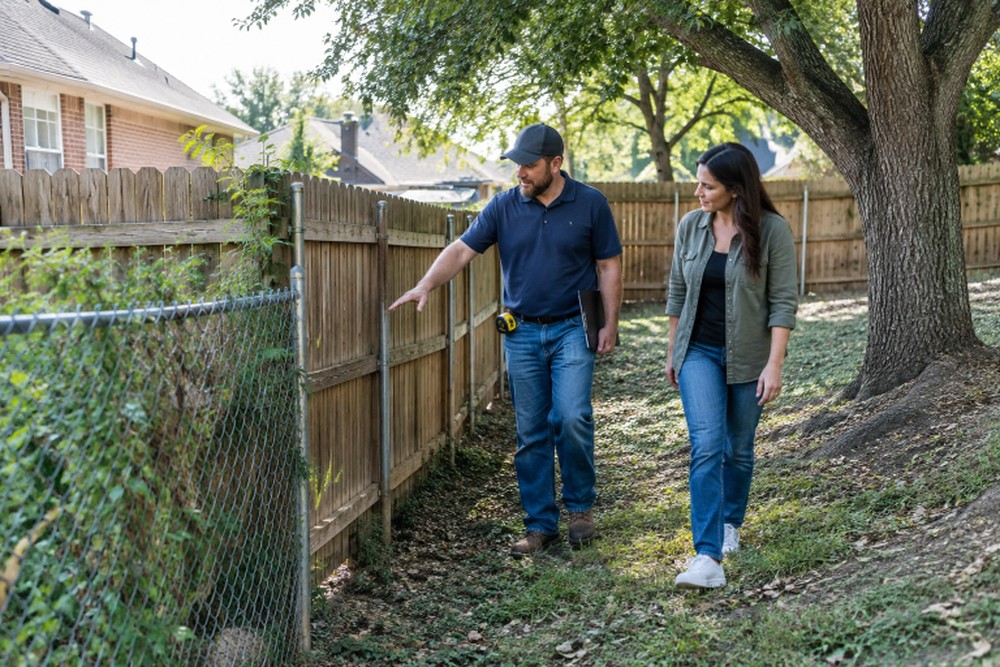
- Walk the entire fence line and look for leaning posts or loose sections.
- Test every gate, hinge, latch, and closure.
- Check for rust, chipped coating, damaged boards, or sharp edges.
- Trim vines and branches that pull against the fence.
- Remove soil, leaves, or debris pressing against the bottom edge.
- Address small problems before they affect adjacent sections.
Conclusion: Choose for Daily Use, Not Just Appearance
The right fence for a Nevada or Collin County property fits the people, animals, activities, and maintenance expectations of that specific yard. Start with the primary goal, compare visibility against privacy, plan gates carefully, verify local requirements, and give installation details the attention they deserve. That process results in a fence that performs well long after the project is complete.