Key Takeaways
- Define your preferred selling timeline.
- Review recent Ruskin home sales.
- Assess repairs and property condition.
- Check flood, insurance, and storm records.
- Organize important sale documents.
- Compare offers based on net proceeds, not price alone.
- Review all contract terms before signing.
- Watch for pressure tactics and unclear terms.
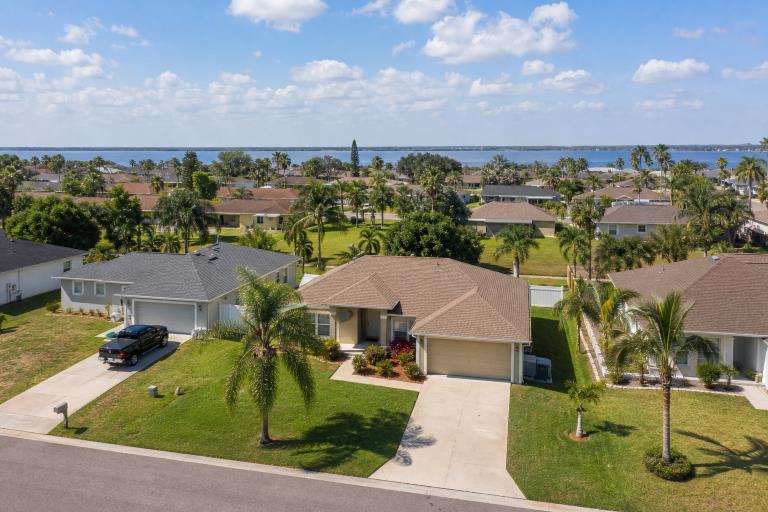
From waterfront-adjacent neighborhoods to inland streets shaped by Florida’s heat, rain, and storm seasons, selling a home in Ruskin calls for thoughtful preparation. Homeowners exploring a simple home sale in Ruskin, FL should begin by defining what “quickly” means for their household, whether that is a prompt closing, fewer repairs, limited showings, or a reliable move-out date. A fast sale does not have to mean an uninformed decision. Reviewing the property’s condition, title status, insurance history, and offer terms before signing can help a seller protect their proceeds and avoid preventable closing delays.
Reviewing the Ruskin Housing Market
Start with recent closed sales, not simply the prices currently advertised online. Asking prices reflect what owners hope to receive, while completed transactions offer a clearer starting point for understanding how buyers have responded to similar homes. Compare homes with similar size, age, location, lot size, condition, and major features. It can also help to look beyond Ruskin alone. Nearby areas such as Wimauma, Sun City Center, Apollo Beach, and Palmetto may attract different buyer groups, and a home’s appeal can change based on commute patterns, community amenities, water access, or the amount of repair work needed. A local real estate professional can provide a comparative market analysis, but homeowners may also seek more than one opinion before setting expectations. For owners who prefer to explore a direct-sale option, Revival Home Buyer is one company offering a home-buying route. Regardless of the company or method considered, compare the written terms against other available options rather than relying on a headline offer alone.
Choosing a Sale Path
The right method depends on your deadline, the property’s condition, the cash available for preparation, and your willingness to manage showings and negotiations.
- Traditional listing: This path may suit owners who can prepare the property, accommodate showings, and wait for a buyer’s financing, appraisal, inspection, and closing process.
- For-sale-by-owner: Selling independently can give an owner more control, but the owner remains responsible for marketing, scheduling, negotiation, contract coordination, and required disclosures.
- Direct sale: A direct buyer may offer a more streamlined process, particularly for a home needing work. The seller should still evaluate the proposed price, fees, inspection terms, title process, and closing date.
Understanding Property Condition
Separate cosmetic issues from major concerns. Worn paint, dated flooring, clutter, and overgrown landscaping may influence presentation. At the same time, roof condition, plumbing leaks, electrical concerns, HVAC performance, structural movement, or storm damage can materially affect a buyer’s decision. Do not assume every improvement will return its full cost at closing. Before approving work, request written estimates and consider whether the repair addresses a safety issue, removes a known transaction obstacle, or merely changes appearance. Even when selling as-is, cleaning the home, making access easy, and organizing repair records can make inspections and walkthroughs smoother.
Flood Risk, Insurance, and Disclosure
Ruskin homeowners should give flood and drainage questions early attention. Hillsborough County notes that heavy rainfall, low-lying terrain, rivers, and coastal tidal surge can all contribute to flooding in parts of the county. Sellers can use the county’s flood information and safety guidance to review flood-zone resources, property preparedness considerations, and local contacts. Gather records of known water intrusion, storm claims, drainage work, roof repairs, mitigation improvements, and insurance renewals. Buyers may ask about flood insurance, deductibles, and prior repairs during due diligence. Known material problems should be addressed honestly in the appropriate disclosure process rather than left to be uncovered during a later inspection.
Documents to Gather Before Selling
Collecting core paperwork before listing or accepting an offer can reduce unnecessary delays. Keep copies of the following items in one secure place:
- Government-issued identification and current contact information.
- Mortgage statement and payoff contact details.
- Deed, survey, title policy, and property tax records.
- Homeowners association rules, balances, and approval documents, if applicable.
- Insurance claims, repair invoices, warranties, and permit records.
- Lease agreements for tenant-occupied property.
- Probate, trust, divorce, estate, or power-of-attorney documents when relevant.
Comparing Offers Fairly
The largest offer is not automatically the strongest one. Ask for an estimated net-proceeds statement and compare what you may actually receive after payoff amounts, taxes, title charges, closing costs, repair credits, commissions, or other deductions.
- Confirm the purchase price and earnest-money amount.
- Check financing, appraisal, inspection, and home-sale contingencies.
- Identify who selects and pays the closing or title company.
- Review the closing date, possession date, and any occupancy agreement.
- Ask whether the buyer may assign the agreement to another party.
- Get every promised term in writing before proceeding.
Fast-Sale Red Flags to Watch For
Be cautious when someone pressures you to sign immediately, leaves blank spaces in an agreement, requests unusual payment methods, or refuses to identify the buyer or closing agent clearly. Large upfront charges, changing promises after inspection, and long agreements that restrict future sale options also deserve careful review. Florida’s consumer guidance on the cooling-off rule and consumer protection can help homeowners understand that cancellation rights depend on the type and location of a transaction. When a contract is unusual, or the sale involves heirs, tenants, liens, divorce, or multiple owners, an independent Florida real estate attorney can provide useful advice.
A Simple Timeline for a Faster Sale
- Day 1: Set your preferred closing and move-out dates.
- Days 2 to 3: Gather mortgage, title, tax, insurance, and repair records.
- Days 3 to 5: Review comparable sales and obtain more than one value opinion or offer.
- Days 5 to 7: Compare net proceeds, contingencies, costs, and possession terms.
- Before signing: Read every page and request clarification in writing.
- Before closing: Confirm payoff figures, title status, identity verification, and final moving plans.
Final Ruskin Home-Sale Checklist
- Set a realistic target date and backup plan.
- Confirm ownership, authority to sell, and title status.
- Review comparable Ruskin-area sales and sale options.
- Organize flood, insurance, storm, and repair records.
- Estimate repair costs before committing to improvements.
- Compare offers using expected net proceeds, not price alone.
- Verify the buyer, title company, and all contract deadlines.
- Keep complete copies of signed agreements and closing documents.
Conclusion
A quick home sale in Ruskin can be more manageable when preparation comes first. By reviewing the local market context, assessing the property’s current condition, checking flood-related records and potential insurance considerations, organizing required documents, and carefully reviewing the complete terms of any offer, homeowners can make more informed decisions about how to proceed. Taking time to understand the potential costs, timelines, contingencies, and responsibilities involved can also help reduce unexpected issues during the transaction. Whether the priority is a faster closing, minimizing preparation work, or understanding available selling options, having the relevant information ready can help homeowners choose a path that fits their circumstances and timeline while helping protect their financial and legal interests.