Key Takeaways
- MoArk Dental & Implants uses YOMI technology to support digitally planned dental implant placement.
- YOMI provides real-time guidance and haptic feedback while the clinician remains in control of the surgery.
- Implant candidacy depends on oral health, bone support, medical history, and long-term maintenance needs.
- Patients can ask about YOMI-assisted planning for single-tooth, multiple-tooth, and selected full-arch implant cases.
Missing, failing, or severely damaged teeth can make everyday activities such as eating, speaking, and smiling more difficult. For patients concerned about surgical accuracy or seeking a more detailed plan before treatment begins, MoArk Dental & Implants offers Yomi robotic dental implant surgery as a technology-assisted option for implant placement. YOMI is designed to help translate a three-dimensional implant plan into guided surgical movements. It does not replace the dental professional. Instead, it provides the clinician with real-time guidance during implant placement while enabling the team to make informed decisions based on the patient’s anatomy, oral health, and restorative goals.
Why Are Patients Asking About Robotic Dental Implant Surgery?
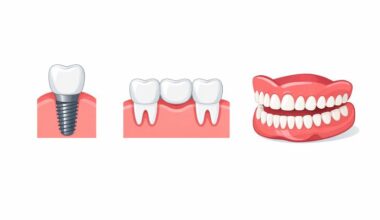
Dental implants are often considered when a person has lost a tooth, has several missing teeth, or has teeth that cannot be predictably restored. Because an implant must be placed in a position that supports both the surrounding anatomy and the final restoration, patients commonly have questions about precision, healing, discomfort, and long-term stability. A “Yomi robotic dental implant surgery request” can mean asking whether a digitally planned, robotically guided approach may be appropriate for a particular case. At MoArk Dental & Implants, that conversation begins with an evaluation rather than a one-size-fits-all recommendation. The team reviews the condition of the teeth and gums, available bone, medical considerations, and the desired outcome before recommending treatment.
How Does MoArk Dental & Implants Use YOMI During Implant Placement?
The YOMI workflow is built around preoperative planning and guided control during surgery. While each treatment plan is individualized, patients can generally expect the following steps:
- Consultation and examination: The dental team reviews symptoms, dental history, medical history, oral health, and treatment goals.
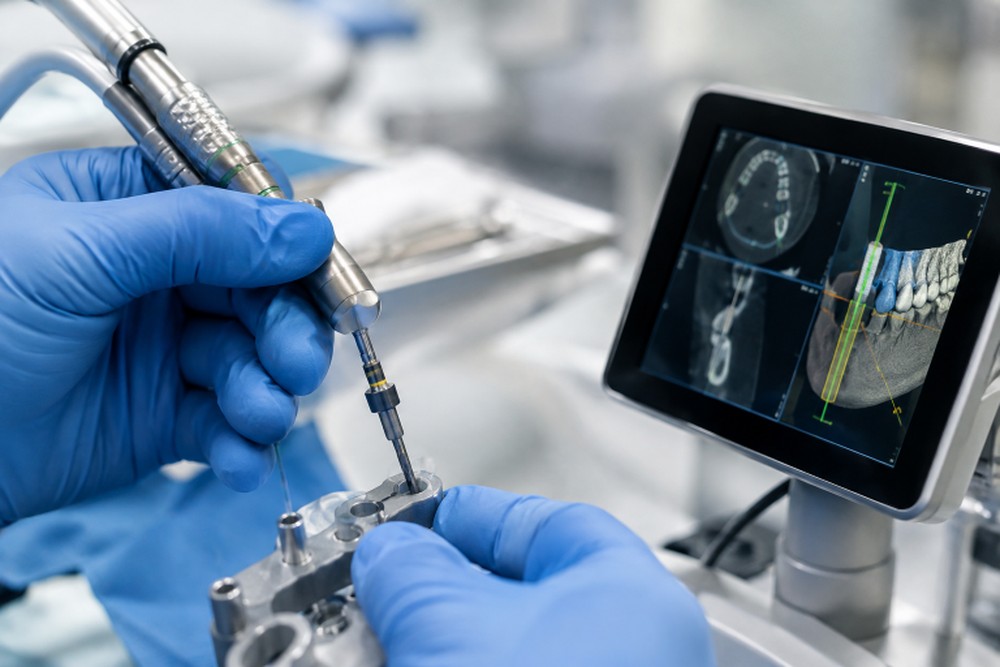
- 3D imaging and treatment planning: Digital information is used to evaluate the proposed implant position, angle, and depth in relation to bone, nearby structures, and the planned restoration.
- Clinician-controlled robotic guidance: During the procedure, YOMI provides guidance and haptic feedback as the clinician prepares the implant site and places the implant.
- Restorative coordination: The implant plan is considered alongside the future crown, bridge, or full-arch restoration so the final result can support chewing, comfort, and appearance.
How Is YOMI Different From Freehand Implant Placement?
Freehand implant placement relies on the clinician’s training, experience, imaging, and surgical judgment without robotic physical guidance. YOMI adds a digitally planned pathway and intraoperative feedback. The difference is not that technology takes over treatment. The difference is that the clinician has another tool for carrying a detailed plan into the surgical setting.
- Planning: YOMI begins with a preplanned implant position based on digital imaging and restorative objectives.
- Guidance: The system provides real-time positional guidance and haptic boundaries intended to help the clinician follow the planned angle and depth.
- Clinical control: The dental professional retains responsibility for diagnosis, treatment selection, adjustments, and surgical execution.
- Minimally invasive options: In appropriate cases, a guided approach may support a more conservative surgical technique. Whether that is suitable depends on the patient’s individual needs.
What Does Research Say About Robotic Implant Accuracy?
Research on computer-assisted implant dentistry continues to examine how digital planning, navigation, and robotic guidance may improve control of implant placement. A review of dental implant robotic systems describes the role of planning and intraoperative feedback in the development of robotic-assisted implant procedures. Accuracy findings can vary depending on the technology used, the study design, the implant location, patient anatomy, and the clinician’s experience. Robotic guidance may help with repeatability and control, but it cannot eliminate the need for careful diagnosis, infection control, healthy gums, adequate bone support, and ongoing maintenance after restoration.
Who May Be a Candidate for YOMI-Assisted Implant Care?
MoArk Dental & Implants may evaluate YOMI-assisted treatment for patients missing one tooth, several teeth, or an entire arch. It may also be considered for people with failing teeth exploring replacement options, or for patients who prefer a digitally planned approach to implant surgery. Candidacy is determined through an examination. Important considerations include gum health, bone quantity and quality, bite forces, medical conditions, medications, tobacco use, healing ability, and the ability to maintain the completed restoration. Some patients may need periodontal treatment, bone grafting, tooth removal, or other preparatory care before implant placement.
Can YOMI Be Used for Full-Mouth or All-on-X Treatment?
YOMI may be incorporated into selected full-arch treatment plans when the clinical situation supports its use. Full-mouth implant treatment involves more than placing implants. The team must consider the number and positions of implants, bite relationship, available bone, temporary teeth, final prosthetic design, and the patient’s overall health.
How Robotic Guidance May Support Full-Arch Planning
- It can help the team evaluate multiple planned implant positions in relation to the final teeth.
- It supports attention to implant angle and depth across a complex treatment area.
- It encourages surgical and restorative planning to be considered together from the beginning.
What Should Patients Expect Before, During, and After Treatment?
Before Treatment
Patients can expect a review of their medical and dental history, an oral examination, digital imaging, and a discussion of alternatives, expected treatment stages, risks, costs, and maintenance requirements.
During Treatment
Comfort options are discussed based on the procedure and the patient’s needs. The clinician uses the established digital plan and YOMI guidance while remaining responsible for every clinical decision during surgery.
After Treatment
Aftercare includes instructions for protecting the surgical site, follow-up appointments to monitor healing, and, when appropriate, planning for the final restoration. Implant success also depends on consistent home care and regular professional visits.
Technology Works Best With Human Expertise
YOMI is a support system, not an autonomous substitute for a dentist. Diagnosis, treatment planning, surgical judgment, restorative design, and patient communication remain essential parts of care. Because robot-assisted dental implant surgery belongs to the broader field of robotic surgery, the continuing role of clinicians in guiding and overseeing these procedures remains essential.
Where Can Patients Request a YOMI Implant Consultation?
MoArk Dental & Implants serves patients through offices in Thayer, Missouri; Walnut Ridge, Arkansas; and Kennett, Missouri. Patients interested in YOMI-assisted treatment can request an implant consultation and ask which services are available for their location and treatment needs. It can be helpful to bring a current medication list, relevant medical information, prior dental records when available, and questions about bone grafting, temporary teeth, final restorations, healing time, financing, and maintenance.
Frequently Asked Questions
Does YOMI perform implant surgery by itself?
No. The clinician performs the procedure and remains in control. YOMI provides planned guidance and haptic feedback during implant placement.
Does robotic guidance guarantee implant success?
No. No technology can guarantee an outcome. Healing, bone support, gum health, medical factors, hygiene, bite forces, and follow-up care all matter.
Can YOMI be used for a single missing tooth?
It may be considered for single-tooth replacement as well as more extensive implant treatment. A consultation is needed to determine whether it is appropriate.
Conclusion
Patients seeking a carefully planned approach to implant treatment can ask MoArk Dental & Implants about YOMI robotic implant placement. This technology combines three-dimensional planning, real-time guidance, and haptic feedback to help clinicians plan and guide implant placement according to each patient’s oral anatomy and treatment needs. The dentist remains responsible for evaluating the patient, developing the treatment plan, and making clinical decisions throughout the procedure. Before recommending implant placement, the team can assess bone availability, gum health, bite alignment, medical history, and the type of restoration needed. By combining digital tools with clinician-led care, MoArk Dental & Implants helps patients explore suitable implant options while considering precision, function, comfort, healing, and long-term oral health. Patients can also ask about expected treatment stages, recovery, maintenance requirements, and costs to understand better what their personalized plan may involve.