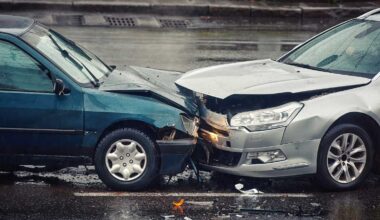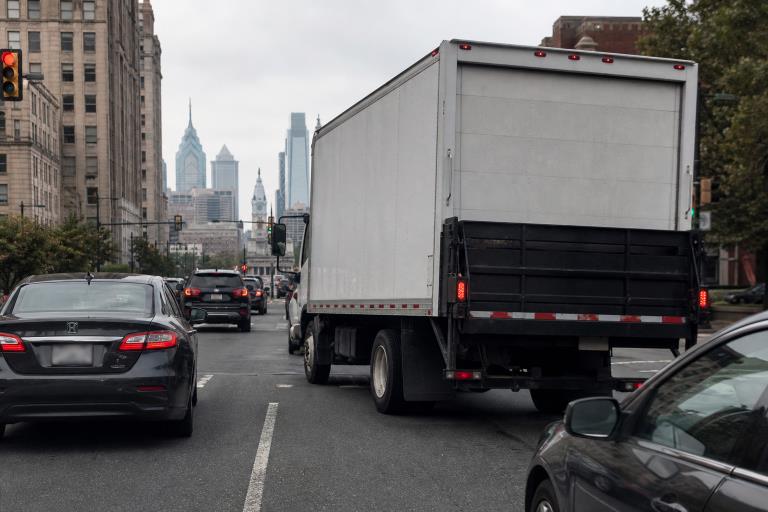
Truck accidents in Philadelphia can cause severe injuries because commercial vehicles are larger, heavier, and harder to maneuver than passenger cars. From crowded Center City delivery routes to I-95, the Schuylkill Expressway, port-area traffic, and narrow neighborhood streets, local road conditions can leave little room for error. People looking for information about responding to a serious collision may also find helpful local context at quinnlawyers.com.
Every crash has its own facts, and fault may involve more than one person or business. A truck driver, passenger vehicle driver, trucking company, maintenance provider, cargo loader, or another party may have contributed to the collision. Understanding common contributing factors can help drivers recognize hazards and preserve important details after a crash.
1. Driver Fatigue
Long shifts, irregular sleep, demanding delivery schedules, and overnight travel can leave a truck driver tired behind the wheel. Fatigue may slow reaction time, reduce attention, and make it harder to recognize changing traffic conditions. The Federal Motor Carrier Safety Administration identifies fatigue as an important factor in serious large-truck crashes through its large-truck crash causation research.
2. Distracted Driving
Distraction can involve a phone, dispatch device, navigation system, food, paperwork, or an activity outside the vehicle. Looking away from the road, even for a short time, is especially dangerous when traffic is heavy or pedestrians are nearby. Commercial drivers must process a great deal of information, but that does not eliminate the need to keep attention on surrounding vehicles, signals, cyclists, and people crossing the street.
3. Speeding And Unsafe Following Distance
A fully loaded truck needs more distance to slow down than a typical passenger vehicle. Driving too fast for traffic conditions, on wet pavement, in construction zones, or with limited visibility can make a rear-end collision more likely. Following too closely also leaves less time to react when traffic stops suddenly, a familiar risk on crowded Philadelphia highways and major arterial roads.
4. Blind Spots And Unsafe Lane Changes
Large trucks have substantial blind spots along both sides, directly behind the trailer, and near the front of the cab. A driver who changes lanes without thoroughly checking mirrors and surrounding traffic can strike a nearby car, motorcycle, bicycle, or pedestrian. Passenger vehicle drivers can reduce risk by avoiding long periods beside a trailer, but truck drivers still have a duty to make lane changes carefully.
5. Wide Turns And Tight Streets
Philadelphia’s older street grid, curbside parking, delivery activity, and busy intersections can make turns difficult for tractor-trailers and box trucks. Right turns are particularly hazardous when a driver swings wide, cuts the corner too sharply, or fails to notice a person walking or biking alongside the truck. Vehicles stopped too close to an intersection can further restrict turning space and visibility.
6. Congestion And Sudden Stops
Traffic congestion changes quickly near interchanges, stadium events, construction areas, bridges, and downtown loading zones. When vehicles merge, brake abruptly, or block an intersection, a truck driver may have limited room to avoid a collision. Philadelphia’s traffic-safety efforts recognize that serious crashes are concentrated on a relatively small portion of city streets, which is why the City’s High Injury Network is a focus for safety improvements.
7. Poor Vehicle Maintenance
Brake defects, worn tires, lighting problems, steering issues, and other mechanical failures can create serious danger. Maintenance responsibility may rest with a trucking company, an owner-operator, a leasing company, or a repair provider, depending on the arrangement. After a crash involving a suspected defect, photographs of the truck, tire marks, warning lights, vehicle damage, and inspection information may help clarify what happened.
8. Improperly Loaded Cargo
Cargo that is overloaded, unsecured, or unevenly distributed can affect how a truck handles. A shifting load may make the vehicle unstable during a sharp turn, sudden stop, or emergency maneuver. Cargo can also fall from an open trailer or truck bed, forcing nearby drivers to swerve or brake. Loading records and securement equipment may be important when cargo is suspected of contributing to a crash.
9. Weather And Road Conditions
Rain, snow, ice, fog, potholes, standing water, uneven pavement, and work zones can all increase the difficulty of operating a large truck safely. Poor conditions do not automatically excuse a collision. Drivers are expected to adjust speed, following distance, and driving decisions to conditions they can see or reasonably anticipate. Reduced traction can be especially dangerous on ramps, curves, and streets with frequent stop-and-go traffic.
10. Inexperience Or Route Unfamiliarity
A driver unfamiliar with Philadelphia may struggle with low clearances, narrow streets, restricted turns, delivery entrances, heavy pedestrian activity, or complicated highway connections. Last-minute lane changes and abrupt turns can put other road users at risk. Employers can help by providing route planning, adequate training, realistic schedules, and clear instructions for urban deliveries.
What To Do After A Philadelphia Truck Accident
First, move to a safer location if possible and call 911 when anyone is injured or there is an immediate hazard. Seek medical attention for pain, dizziness, confusion, numbness, headaches, or other concerning symptoms, even if they appear after the initial shock has passed. If it is safe, take photographs of the vehicles, road conditions, skid marks, cargo, signs, and visible injuries.
It can also be useful to collect the truck driver’s name, employer, insurance information, license plate number, and U.S. Department of Transportation number, if visible. Keep copies of medical records, bills, repair estimates, wage information, police report details, and communications with insurers. Avoid guessing about fault or giving a detailed statement before the full circumstances are known.
Conclusion
Truck accidents often result from a combination of driver behavior, vehicle condition, cargo issues, traffic patterns, and road conditions. In Philadelphia, the mix of high-speed highways, commercial corridors, active delivery zones, and dense neighborhood streets makes attentive driving essential for everyone. Recognizing these common causes can help people take safer precautions and better understand the questions that may arise after a serious collision.