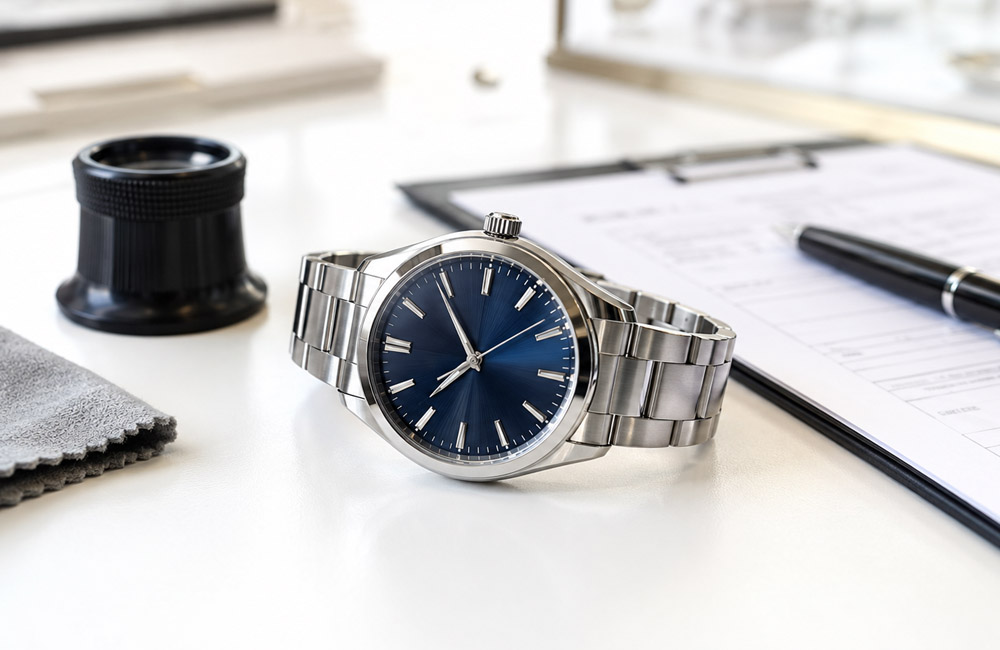
A luxury watch may provide collateral for short-term borrowing without an outright sale. In a custody-based loan, the lender holds the watch until you repay the principal and agreed charges under the contract. You must be comfortable with both the cost and the risk of losing the watch if you default.
How a watch-secured loan actually works
You bring the watch for appraisal, along with proof of ownership. The lender inspects it, agrees a value based on resale evidence, and states a loan amount as a share of that value. That share is called a loan-to-value ratio. The amount offered will generally be less than the lender’s valuation, which may differ from your purchase price or an insurance replacement value. Ask for both the valuation and the proposed advance. If you accept, you sign a written agreement and hand over the watch. Cash is then released under the terms you signed.
Custody is central to this model. The watch stays locked away for the life of the loan, so you cannot wear it while you are borrowing against it. Ask where it will be kept and who has access. Get the storage arrangements in writing before you hand anything over.
You will also be asked for ID and proof that the watch is yours to pledge. Lenders run these checks to reduce disputes later. Have purchase records ready if you kept them. If the watch was a gift or inheritance, say so early so the paperwork can be sorted.
What happens at the valuation table
Authentication is an important part of appraisal. Ask how the lender checks the reference number, serial markings, movement, and case details against specifications for that model, and whether a specialist inspection is needed. Papers help with background but they don’t settle the question on their own. The physical watch must match.
Bring everything you have. Box and papers help establish that the watch is a full set with clear provenance, while service receipts help show its condition and working order. If numbers don’t line up or authenticity is in doubt, the lender may request further assessment or decline the watch. Avoid refinishing it simply to improve its appearance before the meeting.
Knowing your reference number helps. It lets the lender pull recent resale results for the same model and compare condition and how complete the set is. A common model with many sales is quicker to price. A scarce piece with few sales takes longer and may lead to a more cautious valuation.
Pawnshops compared with specialist lenders
Some pawnshops accept many types of goods, while specialist lenders focus on watches or other high-value assets. The label alone does not tell you how thorough the appraisal is or how fair the terms are. Ask about experience with your model, the valuation process, and the lender’s licensing where required.
When comparing loans secured against watches, ask each provider how it arrives at its valuation and what evidence it uses. Familiarity with buying and selling watches can be useful, but retail experience is not a substitute for clear lending terms. Compare the written offers rather than assuming one type of provider is always cheaper or more suitable.
Terms can look quite different. Repayment periods and fee structures vary from lender to lender. Don’t focus on the headline rate alone. Ask for the total amount you must repay to get the watch back.
How to compare total cost and terms
Get the full repayment figure in writing before you agree. That means the principal and agreed charges shown as one total. If a fee is unclear, ask what triggers it and when it is due. A clear schedule is more useful than a verbal promise.
Check early repayment and renewal language with care. Some agreements allow you to settle early and reclaim the watch without extra cost. Some charge for early exit or push you toward renewal. Know which type you are signing and plan your cash flow around the due date.
Match repayment to your actual cash flow. Line up the due date with pay or other income and leave a buffer for delays. If renewal is allowed, find out the cost of rolling over before you rely on it. Rolling over more than once can quickly change the math.
Don’t borrow what you can’t repay on time.
What to check on custody, transit and default
If you post the watch or carry it in, ask how transit and handover are handled. Find out how the lender records condition on intake and who is responsible if loss or damage occurs. Ask about storage controls and access logs. Written answers matter more than assurances.
Read the default section twice. It should state what counts as a missed payment and what process the agreement sets out for each side under applicable law. Outcomes differ. Depending on the type of loan and applicable law, a sale may settle the debt, leave a balance due, or produce a surplus. Ask what happens in each case and do not assume that surrendering the watch ends every obligation.
Keep copies of chats, receipts, photos, and the signed agreement. Note serial numbers and take dated photos before handover. If anything in the wording is vague, pause and get independent advice before you sign. There’s no rush that justifies unclear terms.
Ask for a condition report with photos at intake. Both sides should sign it. That record can help resolve a later dispute about scratches or missing bracelet links. Ask what insurance applies during storage and transit, including coverage limits, exclusions, and the claims process.
First loans feel unfamiliar but the questions stay the same. Start with what the watch is worth on resale and what it will cost to borrow. Where it sits while you repay matters too. Get those details in writing and you’ll know if pledging the watch fits your needs.