Maintaining a neat and well-groomed garden requires the right tools and accessories. Among those, the trimmer line plays a crucial role in ensuring the efficiency and effectiveness of a string trimmer. Selecting the best trimmer line for your garden needs is essential for achieving optimal cutting performance and prolonging the life of your equipment.
Understanding Trimmer Line
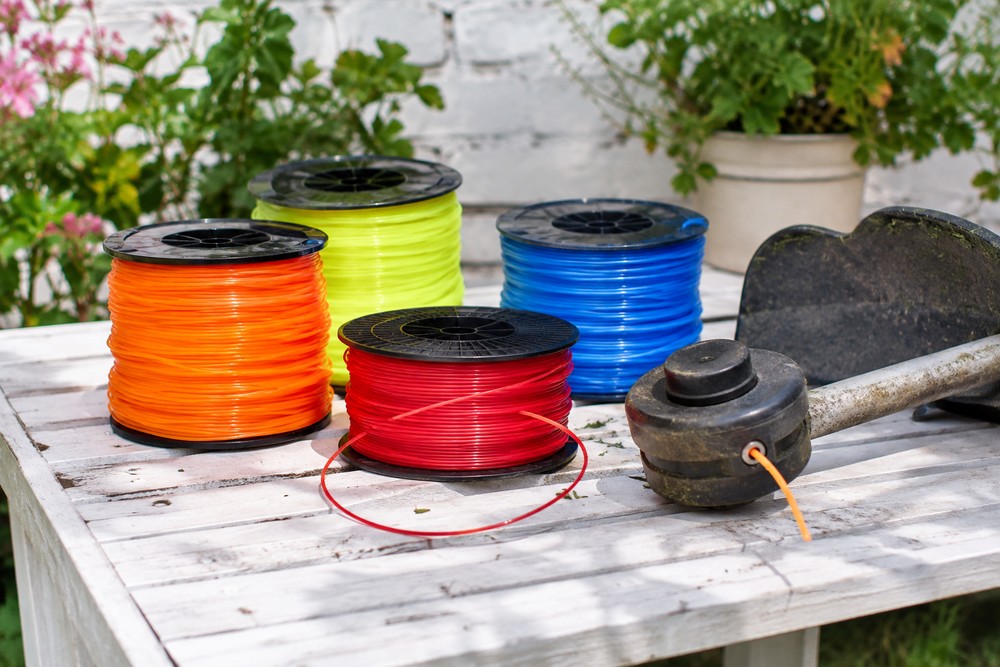
Trimmer line refers to the nylon or multifilament cutting string used in string trimmers and weed whackers to trim grass, weeds, and other plants. The line revolves at high speed, cutting through vegetation with precision. There are various types and thicknesses of trimmer lines available, making it necessary to understand the differences before making a purchase.
Types of Trimmer Line
Trimmer lines can be categorised mainly by their shape. The most common shapes are round, square, twisted, and serrated. Round lines are the most widely used and are suitable for general garden maintenance, offering a balance of durability and cutting power.
Square and serrated lines provide enhanced cutting performance, especially for tougher weeds and dense grass. However, they tend to wear out faster and may put more strain on the trimmer’s motor. Twisted lines combine durability with efficiency, making them a popular choice for heavy-duty trimming.
Material Composition
The majority of trimmer lines are made from nylon, although some incorporate additives such as colour or abrasives to improve visibility and cutting ability. Higher quality materials result in stronger lines resistant to breakage and allowing for prolonged operation.
Choosing the Right Diameter
The diameter of the trimmer line is a fundamental consideration. Lines generally range from 1.3mm to 3.0mm thick. Thinner lines are ideal for lighter jobs, such as trimming fine grass and small plants, whereas thicker lines are better suited to cutting thick grass, weeds, and brush.
Using a line that is too thick for your trimmer can overload the motor, possibly causing damage. Conversely, using a line that is too thin may result in frequent breakages and inefficient cutting. It is advisable to consult the manufacturer’s recommendations for the suitable line diameter for your model.
Length and Compatibility
Typically, trimmer lines are sold in spools or pre-cut lengths compatible with various trimmer models. When choosing a trimmer line, ensure it fits the spool and cutting head of your string trimmer. Compatibility ensures smooth feeding of the line and uninterrupted operation.
Considering Your Garden’s Needs
The specific requirements of your garden significantly influence the choice of the optimal trimmer line. For gardens with predominantly fine grass and ornamental plants, a finer, round trimmer line may suffice. Gardens with abundant thick weeds, brambles, or tough grass may benefit from more robust and sharp-edged lines like square or serrated ones.
Environmental factors should be taken into account as well. Gardens with rocky or stubborn debris may require more durable trimmer lines that resist abrasion.
Durability and Cutting Efficiency
Purchasing a durable trimmer line reduces the frequency of replacements, saving time and cost. Efficient cutting means less effort on the part of the trimmer, potentially extending the equipment’s lifespan.
Quality lines designed for durability usually include features such as chemical additives to enhance resistance to wear and tear, and reinforced nylon strands.
Environmental and Safety Considerations
Using an appropriate trimmer line contributes to safer garden maintenance. Poor-quality trimmer line can break unexpectedly, posing risks to the user and damaging property.
Additionally, some towns and councils encourage or enforce the use of environmentally friendly trimmer lines that degrade more quickly or produce less microplastic pollution. Considering these aspects when selecting a trimmer line can help maintain eco-friendly gardening practices.
Cost vs Performance
While cheaper trimmer lines may seem economical initially, their lower durability can lead to frequent replacements and inefficient cutting. Investing in higher-quality trimmer lines often results in better overall performance and long-term savings.
Assessing the balance between cost and performance will depend on the size of the garden, frequency of use, and the types of vegetation typically trimmed.
Maintenance Tips for Trimmer Line
Proper maintenance ensures maximum efficiency and lifespan of the trimmer line. It is important to regularly inspect the line for wear, replace it in time, and feed it correctly through the trimmer spool.
Avoid winding the line too tightly, which can cause tangling or jamming. Storing the trimmer line in a dry and cool place prevents the nylon from becoming brittle or warped.
Where to Purchase Quality Trimmer Line
Purchasing trimmer line from reputable suppliers guarantees authenticity and quality. Many specialised retailers, such as those found online, offer a wide range of trimmer lines catering to various needs and trimmer models.
For example, the comprehensive selection available at trimmer line suppliers provides gardeners with options suitable for both domestic and professional use.
Conclusion
The choice of the best trimmer line is significant for maintaining a healthy and visually appealing garden. Understanding the types, diameters, and material qualities is essential to make an informed decision. Matching the trimmer line to garden conditions and trimmer specifications maximises performance and ensures safety.
Investing in quality trimmer line and maintaining it properly benefits the longevity of garden tools and the overall gardening experience.