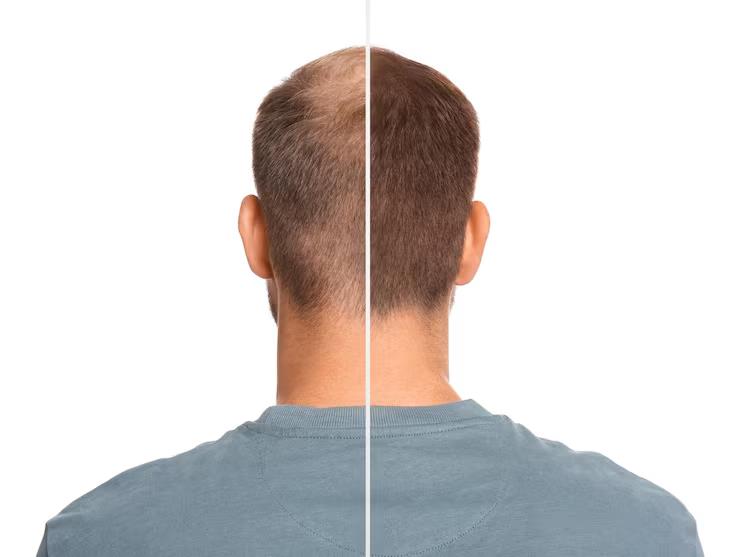
Hair loss affects millions of adults, prompting many to seek permanent restoration solutions. If you are researching options for a FUT hair transplant in Raleigh, NC, you have likely encountered two primary surgical methods: Follicular Unit Transplantation (FUT) and Follicular Unit Extraction (FUE). Both techniques offer effective ways to restore a receding hairline or fill in thinning crowns, but they differ significantly in execution, recovery, and final results. Understanding these differences helps you make an informed decision aligned with your lifestyle, budget, and hair restoration goals. Choosing the right method requires evaluating how each technique harvests donor hair and what you can expect during the healing process.
Understanding the FUT Hair Transplant Method
Follicular Unit Transplantation, often called the strip method, is a traditional and highly reliable hair restoration technique. During this procedure, a surgeon removes a narrow strip of scalp from the donor area, typically the back of the head where hair is genetically resistant to balding. Technicians then use high-powered microscopes to divide this strip into individual follicular units containing one to four hairs. While the technicians prepare these grafts, the surgeon creates tiny recipient sites in the balding areas and carefully implants the follicles.
Key Benefits of FUT
One major advantage of this approach is the high yield of quality grafts. Because the surgeon extracts the strip in one piece, the delicate hair follicles remain undamaged during harvesting. This makes it an excellent option for patients requiring a large number of grafts to cover extensive baldness. Additionally, FUT is generally more cost-effective than an FUE hair transplant and requires a shorter overall procedure time. However, the extraction leaves a linear scar across the back of the head. While easily concealed by longer hair, this scar may limit your ability to wear very short hairstyles. Choosing a skilled surgeon for your FUT hair transplant in Raleigh, NC ensures this scar is as thin and inconspicuous as possible.
Demystifying the FUE Hair Transplant Technique
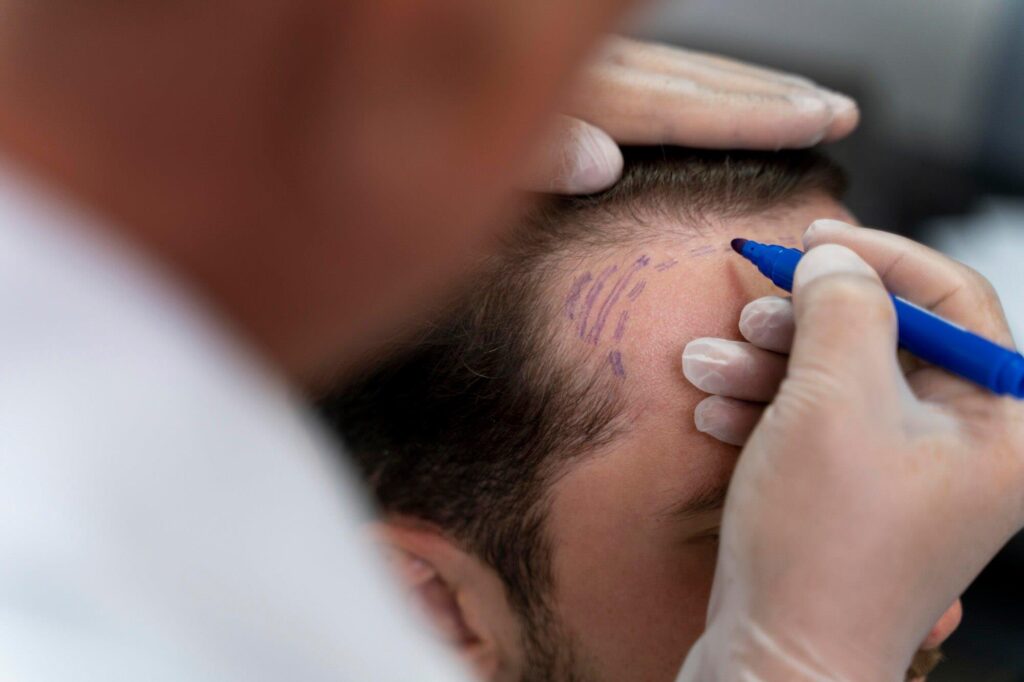
Follicular Unit Extraction has gained immense popularity due to its minimally invasive nature. Unlike the strip method, an FUE hair transplant involves harvesting individual hair follicles directly from the donor area using a specialized micro-punch tool. These punches, typically less than one millimeter in diameter, leave tiny circular wounds that heal quickly without stitches. Once harvested, the surgeon prepares the recipient sites and implants the grafts individually to match the natural growth pattern of your hair.
Why Patients Choose FUE
The primary appeal of this method is the absence of a linear scar. Instead, patients have tiny, dot-like scars scattered across the donor area, which are virtually invisible even with short haircuts. This makes the technique ideal for active individuals or those who prefer a cropped hairstyle. The recovery period is also shorter and less painful because the procedure does not involve deep incisions or sutures. Most patients return to their normal routines within a few days. However, the meticulous nature of individual extraction means the procedure takes longer, often requiring multiple sessions for large graft counts. It also typically carries a higher price tag compared to traditional methods.
Comparing Recovery and Scarring
To make the best choice, you must compare how each procedure impacts your daily life during the recovery phase. The healing process for a FUT hair transplant in Raleigh, NC requires more patience and care. Because the surgeon sutures the donor area, you may experience some tightness and discomfort at the back of your head for the first week. You must avoid strenuous exercise and heavy lifting for at least two to three weeks to prevent stretching the donor scar.
Healing and Activity Timelines
In contrast, recovering from an FUE hair transplant is generally faster and more comfortable. Since there are no scalp incisions to heal, the physical restrictions are less demanding. The tiny donor punctures close up within 48 hours, and most swelling and redness subside within a week. You can usually return to light exercise within five to seven days. Regardless of the method you choose, the transplanted hairs will shed within two to four weeks post-surgery. This shedding is a normal part of the hair cycle, making way for new, permanent hair growth that begins to show visible results around the six-month mark, with full density achieved in a year.
Determining Which Method is Right for You
Selecting the ideal hair restoration path depends on several personal factors, including your degree of hair loss, preferred hairstyle, and budget. If you suffer from advanced hair loss and require maximum coverage, the strip method might be the most effective choice. It allows the surgical team to harvest a large number of grafts in a single session, maximizing the limited donor area. This approach is also beneficial for individuals who plan to keep their hair long enough to cover the linear scar.
Matching Your Lifestyle
Conversely, if you prefer short haircuts, have minor hair thinning, or lead an active lifestyle that prevents long downtime, the individual extraction method is likely your best option. It provides flexibility and leaves no obvious signs of surgery. Budget also plays a role, as individual extraction requires more labor and advanced technology, resulting in higher costs. Consulting with an experienced specialist is the most reliable way to assess your donor hair density and establish realistic expectations. A professional evaluation ensures you select the technique that delivers the most natural-looking, long-lasting density for your specific hair type.
The Importance of Surgeon Expertise and Technology
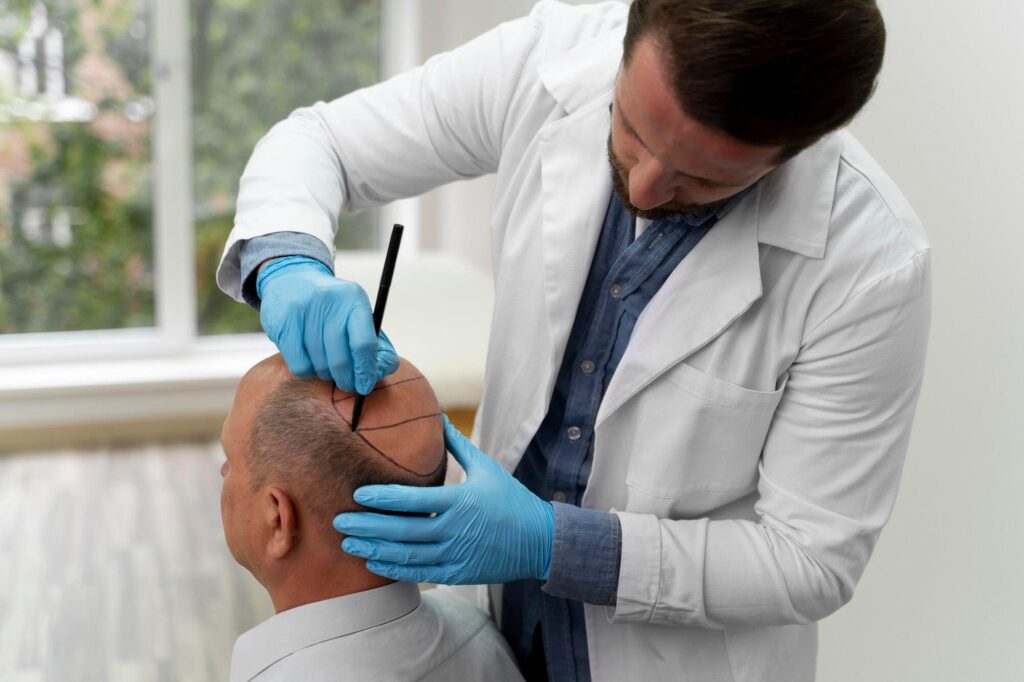
Regardless of whether you select a strip harvest or individual extraction, the skill of your medical team dictates the success of your restoration. Hair transplantation is as much an art as it is a science. The surgeon must carefully design the hairline, considering your facial structure, age, and future hair loss patterns. They must also angle the grafts correctly during implantation to ensure the new hair grows in a natural direction and blends seamlessly with your existing hair.
What to Look For in a Clinic
When researching options for a FUT hair transplant in Raleigh, NC, look for board-certified surgeons who specialize in hair restoration. Ask to see before-and-after portfolios of previous patients with hair loss patterns similar to yours. Modern clinics utilize advanced imaging and surgical tools that improve graft survival rates and minimize trauma to the scalp. During your initial consultation, ask about the clinic’s experience with both techniques. A reputable surgeon will not push a single method but will instead recommend the approach that best suits your physiological needs and aesthetic goals.
Conclusion
Choosing between these two prominent hair restoration methods is a highly personal decision. Both procedures offer reliable, permanent solutions to hair thinning, but they cater to different lifestyles and clinical needs. The strip method provides high graft yields and cost-efficiency, while individual extraction offers minimal scarring and a rapid recovery. By evaluating your aesthetic goals, budget, and daily activity level, you can determine which approach aligns with your expectations. Partnering with a qualified specialist ensures a safe procedure and a natural-looking outcome that restores your confidence for years to come.