Key Takeaways
- Set your budget, guest count, and preferred dates before touring venues.
- Choose a setting that matches your wedding style and needs.
- Compare total costs, including rentals, staffing, and additional fees.
- Check guest flow, parking, accessibility, and weather backup plans.
- Review venue policies and contract terms before booking.
Choosing a wedding venue is one of the first decisions that shapes every other part of the celebration. From the guest list and catering plan to photography, transportation, and décor, the setting affects both the experience and the budget. Couples searching for a venue for a wedding in Camarillo, California should look beyond attractive photos and consider how the space will work for the people, schedule, and atmosphere they have in mind.
Camarillo offers a distinctive Ventura County backdrop for weddings, with mild coastal-influenced conditions, open landscapes, historic properties, and convenient access for guests traveling from nearby Southern California communities. Whether the vision is a relaxed garden ceremony, a barn reception, or a formal indoor dinner, the best venue is one that makes the day feel welcoming and manageable from arrival through the final sendoff.
Start With the Numbers
Before scheduling tours, establish a realistic budget, a preliminary guest count, and a preferred date range. These three details quickly show which properties are practical. A venue that feels spacious for 100 guests may become crowded after adding a dance floor, bar, buffet, band area, gift table, and vendor equipment.
Separate your nonnegotiables from preferences. For example, accessible restrooms, a weather-backup area, and sufficient parking may be essential. A particular wall color or a dramatic staircase may be a preference. This distinction keeps the decision grounded when a beautiful setting does not meet the event’s real needs.
Match the Venue to Your Wedding Style
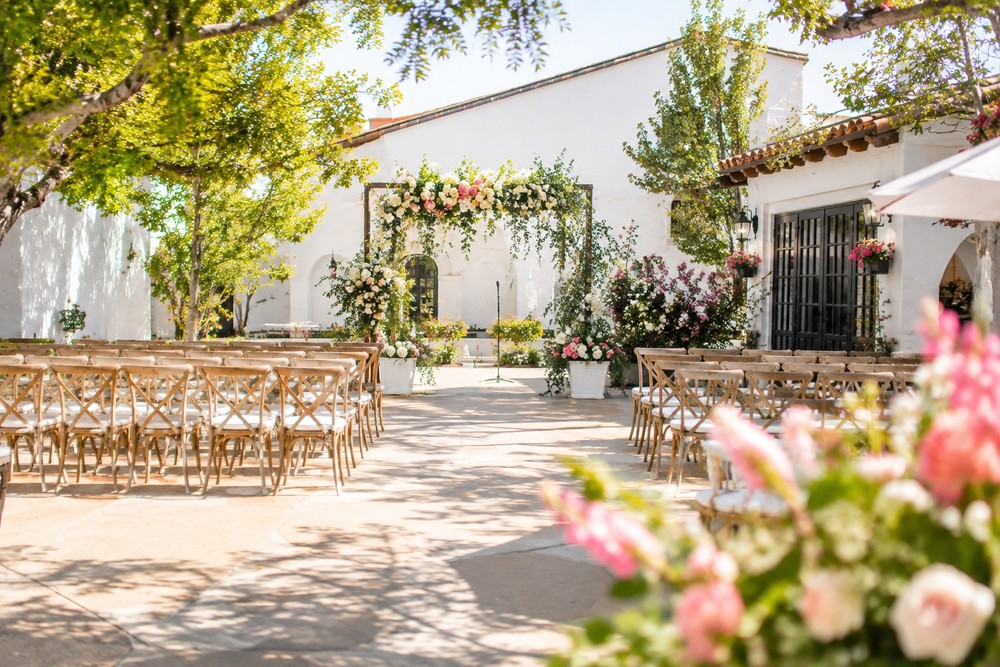
Choose a setting that supports the celebration rather than requiring extensive changes to resemble something else. Hotels and restaurants can simplify food and service logistics. Gardens and estates may provide a natural setting for a ceremony. Barns can create a warm, relaxed reception environment, while museums and blank-canvas spaces can suit couples who want a more customized design.
Think about the mood you want guests to feel when they arrive. A historic Camarillo property may lend character without requiring heavy décor, while an open lawn may suit a daytime ceremony with casual seating and room for lawn games. The goal is consistency between the setting, dress code, menu, music, and timeline.
Compare Total Costs, Not Rental Prices
A lower rental rate does not always mean a lower final bill. Some venues include tables, chairs, staffing, setup, cleanup, or basic lighting, while others require couples to reserve and manage each item separately. Create one comparison sheet for each venue and request written estimates before considering any option affordable.
Costs to Review
- Venue rental fee, deposit, and payment schedule
- Food and beverage minimums, service charges, and taxes
- Tables, chairs, linens, dinnerware, lighting, and décor rentals
- Setup, breakdown, security, cleaning, and parking costs
- Event insurance, vendor delivery charges, and overtime fees
- Tents, heaters, fans, or generators for outdoor plans
Ask whether the quoted price reflects the hours needed for vendor arrival, setup, photography, cleanup, and departure. A reception ending at 10:00 p.m. does not necessarily mean vendors can remain on site until midnight without additional charges.
Check Layout and Guest Flow
Venue planning is also event planning. The practical work of coordinating a celebration includes budgeting, site selection, transportation, parking, catering, vendors, and emergency preparation, all of which influence how a venue functions on the day. A useful event-planning overview can help couples recognize why logistics matter as much as appearance.
During each tour, walk the property as a guest would. Identify the entrance, ceremony location, cocktail area, dinner seating, restrooms, bar, dance floor, and exit route. Notice where vendors will unload, where the wedding party can prepare, and whether older guests can move comfortably between key spaces.
Questions to Ask During a Tour
- Can the ceremony and reception take place in separate areas?
- Is there sufficient room between dining tables and walkways?
- Where will the DJ, band, photographer, and caterer work?
- Is there a quiet spot for children, nursing parents, or guests needing a break?
- Will guests have clear access to restrooms throughout the event?
Review Location and Accessibility
Location affects attendance, hotel needs, ride-share availability, vendor travel, and the overall timing of the wedding day. Visit near the planned ceremony time when possible. Traffic, sunlight, noise, parking, and temperatures can feel very different in the afternoon than they do during a quick morning tour.
Ask direct questions about accessible parking, paths of travel, entrances, seating, restrooms, and service-animal policies. The ADA requires businesses open to the public to provide people with disabilities an equal opportunity to access their goods and services, so review accessibility expectations for public-facing businesses as part of your planning. Confirm the specific accommodations available at the venue instead of relying on a general statement that the property is accessible.
Ask About Weather and Backup Plans
Outdoor weddings in Camarillo can be memorable, but every outdoor plan needs a complete alternative for rain, wind, heat, cold, or poor air quality. “We can move inside” is not enough unless the indoor or covered area can comfortably hold the full guest count, furniture, catering setup, and entertainment.
Ask when the weather decision will be made, who will communicate changes to vendors and guests, and who will pay for added equipment. A strong backup plan preserves the timeline and prevents last-minute compromises to seating, photography, food service, and guest comfort.
Read the Contract Carefully
The contract should reflect every important promise made during calls and tours. Read it before submitting a deposit and request written clarification on any vague language. If a feature, accommodation, or fee matters to your decision, make sure it appears in the agreement.
Terms to Check
- Cancellation, postponement, and rescheduling rules
- Rental hours, vendor access times, and cleanup deadlines
- Noise limits, alcohol rules, approved vendors, and catering policies
- Damage deposits, insurance requirements, and cleaning responsibilities
- What happens if the property cannot be used as planned
Tour and Compare Shortlisted Venues
Limit tours to venues that already meet the budget, guest-count, and location requirements. Ask the same questions at every property, request itemized pricing, and take notes immediately afterward. Comparing a small set of realistic options is more useful than visiting many spaces that cannot meet the event’s basic needs.
Before signing, revisit the leading choice if possible. Bring a trusted planner, family member, or member of the wedding party who can notice practical details you may overlook when focused on the excitement of the moment.
Use a Final Venue Checklist
- Does the venue comfortably fit the expected guest count?
- Does the complete cost fit the wedding budget?
- Are the ceremony, dining, and reception areas easy to use?
- Is there a realistic weather backup plan?
- Can guests park, arrive, and move through the venue comfortably?
- Are accessibility needs addressed clearly and specifically?
- Are vendor, catering, alcohol, and music rules acceptable?
- Are fees, deadlines, and cancellation terms in writing?
- Does the setting feel right without excessive décor or complicated workarounds?
Conclusion
The right Camarillo wedding venue is not necessarily the largest, trendiest, or most expensive option. It is the place that supports your guest list, budget, style, timeline, and everyone’s comfort. By comparing complete costs, testing the layout, confirming accessibility, preparing for weather, and reviewing the contract closely, couples can book with greater confidence and enjoy the planning process more fully.