Key Takeaways
- Safety comes before cleanup, repairs, insurance calls, or moving belongings.
- Downed power lines, gas odors, standing water, damaged roofs, and leaning trees can create serious hazards.
- Photos, videos, receipts, and written notes can help support an insurance claim.
- Quick drying and moisture control can reduce the chance of ongoing water damage and mold growth.
- Roof access, electrical repairs, major tree removal, and contaminated-water cleanup are jobs for trained professionals.
The first day after a severe storm can feel overwhelming, especially when water, wind, fallen limbs, or damaged building materials are involved. A careful approach to storm restoration begins with protecting people, avoiding unstable areas, and creating a clear record of what happened before major cleanup starts.
Whether the property is a home, a storefront, a rental unit, or an office, the priorities remain similar. Confirm that it is safe to enter, document visible damage, take reasonable steps to prevent additional loss, and bring in qualified help when a job involves structural, electrical, tree, or contamination hazards.
The First Hour: Protect People First
Do not rush back into a damaged building simply because the rain has stopped. Wait for official instructions when evacuation orders, road closures, utility warnings, or emergency conditions are in effect. Call emergency services if someone is injured, trapped, or facing an immediate danger.
Keep children and pets away from damaged areas. Stay clear of downed wires, flooded roads, broken glass, hanging branches, and damaged fuel containers. If you smell gas, hear hissing near a gas line, see fire damage, or notice rising water, leave the area and contact the appropriate emergency or utility service.
How To Check The Property Without Taking Risks
Start with a visual inspection from a safe distance. Look for sagging ceilings, leaning walls, large cracks near windows or foundations, loose roof sections, damaged siding, and trees that have shifted or are resting on the structure. Do not assume a building is safe simply because the exterior damage appears limited.
Water around outlets, appliances, electrical panels, or extension cords creates an added risk. Avoid entering standing water when electricity may be present, and do not touch service lines, utility meters, or electrical equipment. If the building has significant water intrusion or obvious structural damage, restrict access until it can be evaluated.
Once urgent hazards are addressed, planning for post-storm remodeling can help property owners understand the likely transition from emergency protection to repairs, rebuilding, and final finishes.
How To Document Storm Damage
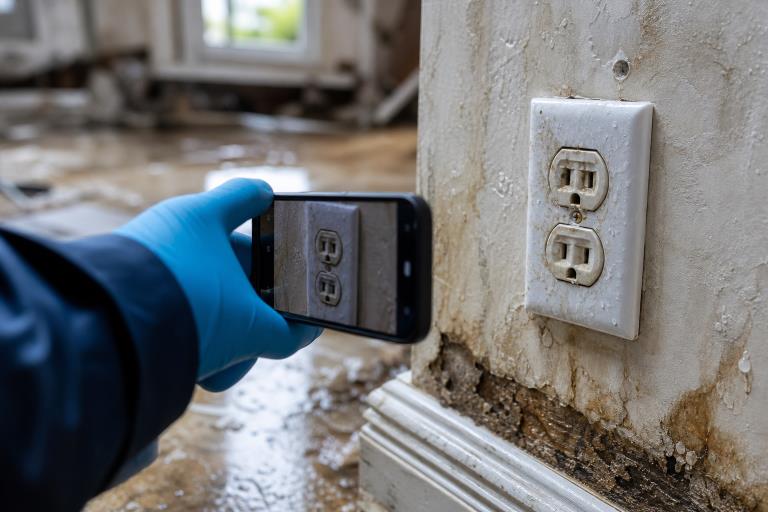
Document conditions before throwing items away, removing debris, or making substantial repairs. Take wide-angle photos of every affected room, exterior walls, roof areas visible from the ground, and damaged personal property. Then capture close-up images of water entry points, broken materials, damaged equipment, and, when available, serial numbers.
Make short videos that show the overall condition of the property, and keep a written log that includes the storm date, the time the damage was discovered, and the steps taken to protect the building. Save receipts for emergency supplies, temporary lodging, cleanup services, and temporary repairs. Keep claim numbers, estimates, contractor notes, and insurer communications together.
Temporary Steps To Limit Further Damage
When conditions are safe, move undamaged belongings away from leaks and place containers under minor drips where there is no electrical hazard. Close intact windows and doors, and use temporary barriers for small openings only when they can be installed from a safe location. Never climb onto a damaged roof or attempt to cut branches under tension.
Water, Moisture, And Mold Concerns
Moisture can remain behind walls, beneath flooring, inside cabinets, and in insulation, even after surfaces feel dry. Separate items that can be cleaned and dried from materials that are heavily saturated or contaminated. Fans and ventilation may help in safe, dry conditions, but electrical safety and contamination concerns must come first.
For flooded interiors, follow safe reentry procedures, use protective gear, and dry before beginning hands-on cleanup. Wear appropriate gloves, eye protection, sturdy footwear, and suitable respiratory protection when handling wet, dusty, or moldy materials. Never mix bleach with ammonia or other cleaning products.
Safe Debris Handling And Insurance Basics
Light debris cleanup may be manageable with proper protective equipment, but storm debris can hide nails, sharp metal, broken glass, pests, and hazardous materials. Do not handle unknown containers, chemical spills, damaged fuel tanks, or debris near power lines. Check local collection rules before placing large materials at the curb.
Contact the insurance provider promptly and provide the property address, storm date, a brief description of visible damage, and your documentation. Ask about deductibles, covered emergency measures, temporary living expenses, and whether damaged items should remain available for inspection before removal or disposal.
When To Call A Restoration Professional
Professional assistance is appropriate when water has entered walls, ceilings, flooring, or insulation; floodwater may contain sewage or chemicals; a roof or foundation may be compromised; mold is extensive; or a tree has struck the building. Ask prospective contractors about licensing and insurance requirements, storm-damage experience, moisture-detection methods, debris handling, and a written scope of work.
Generators also require strict precautions after an outage. Carbon monoxide is colorless and odorless, so keep every generator outdoors and away from openings rather than operating it in a garage, basement, or other enclosed area.
Extra Steps For Businesses And Property Managers
Businesses and property managers should block access to unsafe spaces, notify employees or tenants of any changes in conditions, and document damage to inventory, equipment, signage, roofs, and building systems. Protect records and undamaged stock from moisture, contact key vendors and utility providers, and maintain a log of closures, expenses, decisions, and repair milestones.
First-Day Storm Cleanup Checklist
- Confirm everyone is safe and seek emergency help when needed.
- Avoid power lines, gas leaks, floodwater, unstable trees, and damaged structures.
- Photograph and record visible damage before major cleanup.
- Contact the insurance provider and save all receipts.
- Take only safe, temporary measures to limit further water entry.
- Arrange qualified help for structural, electrical, roof, tree, or contamination hazards.
Conclusion
A calm, safety-first plan can make the first day after a storm more manageable. Protect people, document conditions, reduce further damage where safe, and avoid tasks that go beyond basic cleanup. Clear records and timely professional support can help homes and businesses move into recovery with fewer avoidable setbacks.