Key Takeaways
- Observe sunlight, drainage, soil, and available space before buying plants.
- Match plants to the conditions already present instead of trying to force every site to suit one favorite variety.
- Combine trees, shrubs, perennials, ground covers, and seasonal flowers for a more layered garden.
- Plan around mature height and width so beds remain manageable as plants grow.
- Use regional trials and local experience to narrow down dependable choices.
A successful Mid-Atlantic garden starts with observation rather than impulse buying. Before searching for mums near me or bringing home a flowering shrub, take time to learn how the planting area behaves over the course of a normal day and across the seasons. Sunlight shifts as trees leaf out, nearby structures cast longer shadows, and summer heat is reflected off pavement or walls. Plants that suit the site usually establish more easily and require fewer later corrections.
Start With a Simple Site Check
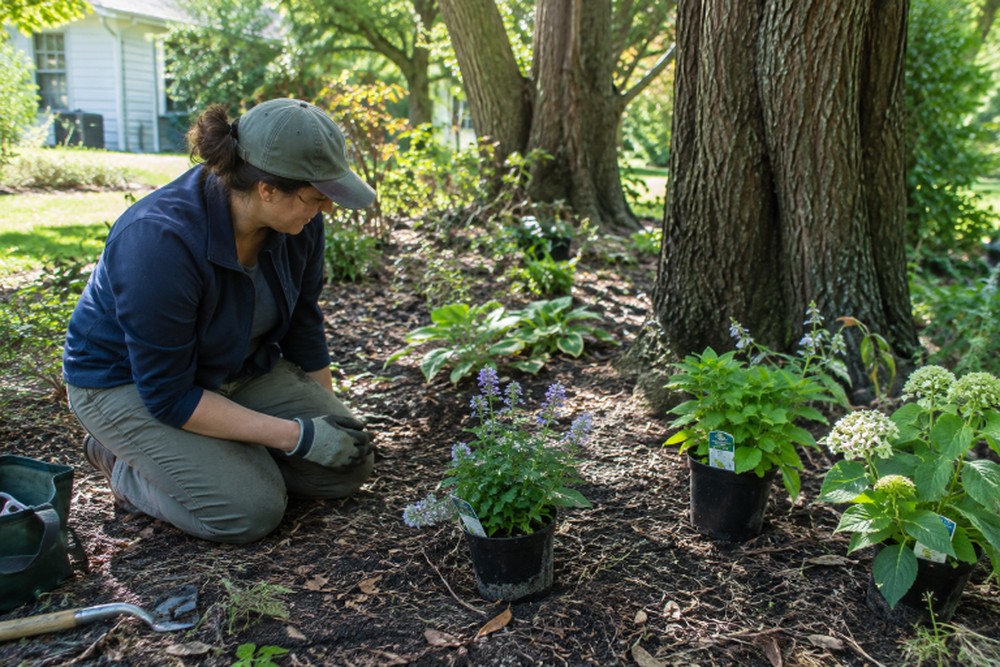
Begin with the garden itself, not a wish list. Visit the space in the morning, around midday, and later in the afternoon for several days. Note direct sun, reflected heat, wind exposure, standing water after rain, tree roots, low branches, and the distance to foundations, walks, fences, and utilities. Measure the bed as well. A small planting area can quickly become overcrowded when shrubs and trees reach their mature size.
Learn the Main Light Levels
Full Sun
Full sun generally means at least six hours of direct sunlight per day. Many flowering perennials, vegetables, herbs, and fruiting plants perform best in these conditions. A hot, west-facing location may still require plants that can handle intense afternoon sun.
Partial Sun and Partial Shade
These descriptions often refer to areas receiving roughly four to six hours of direct sun. Morning sun with afternoon shade can be especially useful for plants that appreciate bright light but struggle in peak summer heat. Conditions are not always fixed. Virginia gardening advice on sun, shade, weather, and placement reinforces the importance of considering shelter, heat, and the position of nearby trees and buildings.
Deep Shade
Deep shade is common beneath dense tree canopies, beside north-facing walls, and in protected woodland areas. It is not complete darkness, but direct sun may be limited or absent. Choose plants labeled for shade, then consider whether the soil is dry because of tree-root competition or consistently moist because the area drains slowly.
Match Plants to Soil and Moisture
Soil and water needs matter as much as light. Dig a small test hole, fill it with water, and observe whether it drains promptly or remains wet. Sandy soil often dries quickly, while clay-heavy soil can hold water longer. Neither condition is automatically bad, but each calls for suitable plants.
- Use plants that tolerate moisture in low areas that stay damp after rain.
- Select drought-tolerant choices for sunny slopes, narrow beds by pavement, and fast-draining soil.
- Apply mulch over the soil to moderate moisture loss and suppress many weeds.
- Keep mulch away from trunks, stems, and plant crowns to avoid trapping excess moisture there.
- Improve soil only when there is a clear need, such as poor drainage, low organic matter, or compaction.
Build a Balanced Plant Palette
A layered planting looks fuller because plants occupy different heights and roles. Start with a few structural plants, then add supporting layers rather than filling every space with unrelated varieties.
- Upper layer: Small trees or larger ornamental shrubs that create height and a focal point.
- Middle layer: Shrubs and broad groupings of perennials that provide body and repetition.
- Lower layer: Ground covers, low perennials, and bulbs that soften bare soil.
- Vertical layer: Upright grasses, narrow evergreens, or climbers used where extra height is needed.
- Seasonal layer: Annuals and containers that add flexible color without changing the permanent design.
Plan for Seasonal Interest
A garden should not depend on one short bloom period. Combine plants with staggered flowering times, foliage texture, fall color, berries, seed heads, evergreen leaves, or distinctive bark. Regional evaluations can simplify the search. The 2026 Mid-Atlantic plant recommendations from the Pennsylvania Horticultural Society highlight selections chosen for their garden performance and design value.
Spring Through Winter
In spring, use bulbs, early shrubs, and emerging perennials. Summer calls for plants that retain their shape in the heat, along with flowers that support pollinators. Fall can include late bloomers, ornamental grasses, colorful foliage, berries, and seed heads. In winter, evergreen structure, persistent fruit, attractive bark, and strong branching keep beds from looking empty.
Shop for Healthy Plants
At the garden center, read the label before looking at the flowers. Confirm mature dimensions, light preference, moisture needs, and winter hardiness for the intended site. Look for evenly colored leaves, firm stems, and a balanced shape. Avoid plants with severe wilting, broken branches, obvious pest damage, or roots circling densely around the container. A smaller, healthy plant often adapts better than an oversized specimen that has been confined too long.
Avoid Common Planting Mistakes
- Choosing plants only for appearance without checking site conditions.
- Ignoring mature spacing and creating crowded beds.
- Placing sun-loving plants in heavy shade or shade plants in exposed heat.
- Overwatering plants that need well-drained soil.
- Planting too deeply or burying trunks and crowns under mulch.
- Using too many one-of-a-kind plants in a small space.
- Expecting new plantings to look established in their first growing season.
Create a Simple Maintenance Plan
Regular attention prevents many larger problems. Water new plantings deeply during dry weather, then allow the soil surface to dry as appropriate for the plant. Pull weeds before they seed, check leaves and stems for damage, and refresh mulch when needed. Prune with a purpose, since unnecessary pruning can remove flower buds or encourage weak growth. Keep notes on which plants thrive, struggle, or outgrow their location before adding more.
Common Questions
How can gardeners tell how much sun a planting area gets?
Track the area at several times of day and repeat the process when trees have leaves. A simple sunlight log is more reliable than a quick observation.
Can a full-sun plant grow in partial shade?
Some can survive with less light, but flowering may decrease, and growth may become looser. Treat the label as guidance for the plant’s best performance, not merely its ability to stay alive.
Should soil always be amended before planting?
No. First identify the problem. Excessive amendments can create a small pocket of altered soil that differs sharply from the surrounding ground. Choose suitable plants whenever possible and make targeted improvements when needed.
Is native planting the only good choice?
Native plants can be valuable choices because they are part of regional ecosystems. Carefully selected nonnative plants can also fit well in a garden when they are noninvasive and suited to the site.
How many plants should be used in a new bed?
Start with a clear plan and leave room for growth. Repeating a limited number of well-matched plants usually creates a more cohesive result than collecting many single specimens.
Conclusion
The best plant choices come from understanding the garden before planting it. By taking time to evaluate sunlight, soil quality, moisture levels, drainage, available space, and seasonal goals, Mid-Atlantic gardeners can create attractive beds that thrive in their specific conditions. Choosing plants suited to the local climate and typical weather patterns helps encourage healthier growth, more reliable flowering, and better resistance to common environmental stresses. It is also important to consider each plant’s mature height and spread to prevent overcrowding and ensure that every part of the garden receives adequate light and airflow. Combining trees, shrubs, perennials, ornamental grasses, and ground covers can add depth, texture, and visual interest throughout the year. With thoughtful planning and appropriate plant selection, gardeners can establish a landscape with stronger plants, clearer structure, reduced maintenance needs, and lasting beauty across the changing Mid-Atlantic seasons.