Key Takeaways
- Concrete pores hold dirt, oil, organic residue, and mineral stains below the visible surface.
- Higher pressure is not always better, especially on older, sealed, cracked, or decorative concrete.
- Oil, rust, algae, tire marks, and clay stains require different pre-treatment methods.
- Managing wash water matters because driveways direct runoff toward streets, drains, and nearby landscapes.
- Consistent technique, careful rinsing, and early spill cleanup can reduce the need for aggressive cleaning later.
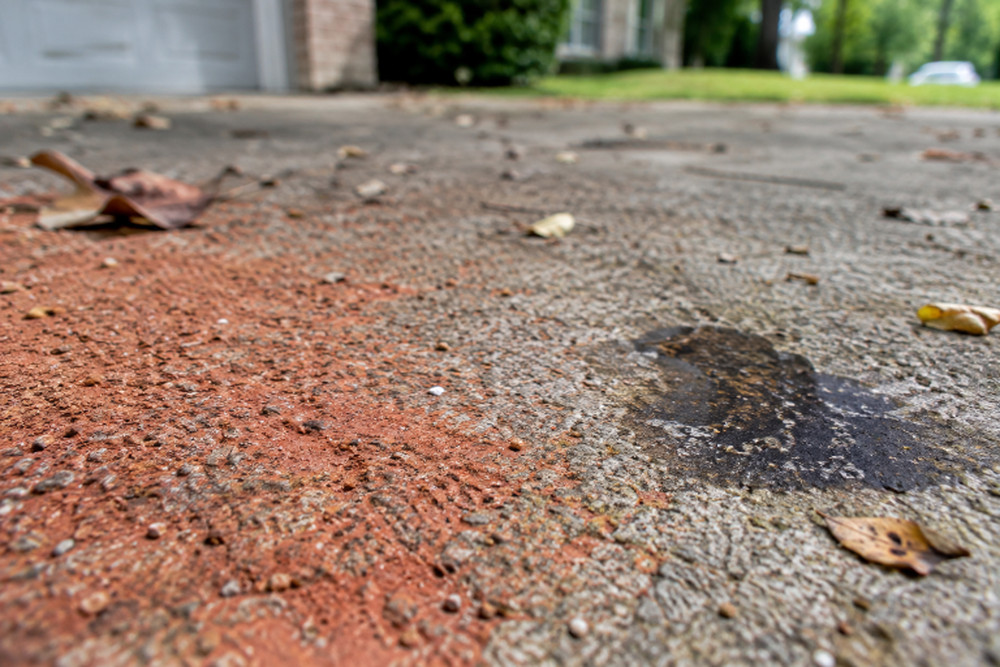
Rock Hill homeowners deal with driveway buildup from red clay, tree debris, pollen, vehicle drips, and humid weather that can encourage algae in shaded spots. Effective concrete driveway cleaning in Rock Hill is not simply about using the strongest spray possible. It means matching the treatment to the stain, protecting the concrete surface, and planning where rinse water will travel.
A clean driveway can improve curb appeal, but careless washing can leave visible wand marks, worsen weak concrete, or push dirty water toward a curb inlet. Whether the driveway slopes toward the street, a lawn, or a landscaped bed, preparation is the best way to get an even result without creating a new problem.
Why Driveway Cleaning Takes More Than a Strong Spray
Concrete looks solid, but it is a porous material. Fine soil, automotive fluids, leaf tannins, and organic growth can settle into those pores, so a fast rinse may remove loose grime while leaving discoloration behind. In Rock Hill, driveways beneath pines, hardwoods, and dense shade often need more attention than open, sunny surfaces because debris stays damp longer, a condition common throughout the area’s subtropical climate.
Common Stains on Rock Hill Driveways
Start by identifying the stain instead of treating every mark the same way. This limits unnecessary chemical use and reduces the temptation to overuse pressure on a stubborn spot.
- Oil and grease: Fresh drips respond best to absorbent material, followed by a concrete-safe degreaser.
- Rust: Fertilizer, patio furniture, and metal tools can leave orange-brown marks that usually need a purpose-made rust treatment.
- Algae and mildew: Green or dark growth is common on damp, shaded sections and should be treated gently before rinsing.
- Tire marks: Rubber transfer may need a mild cleaner and brushing before washing.
- Red clay and soil: Clay can bond to textured concrete, making pre-soaking and repeated light passes more useful than one aggressive pass. Rock Hill’s distinctive red clay requires special attention and patience.
- Leaf stains: Leaves left after rain can leave brown discoloration that may fade gradually after cleaning.
When driveway stains are paired with dirty siding, walkways, patios, or gutters, a coordinated exterior cleaning service can help create a consistent approach across the property without treating every outdoor surface as if it were bare concrete.
Inspect Before You Clean
Walk the full driveway before connecting a hose or pressure washer. Look for cracks, flaking, loose aggregate, worn joints, peeling sealer, and areas where the surface has become soft or powdery. Plain, sound concrete can tolerate more cleaning than stamped, painted, sealed, or visibly deteriorated concrete.
- Move vehicles, toys, planters, hoses, and outdoor furniture.
- Find the low point and observe where rinse water will flow.
- Sweep away leaves, gravel, and loose soil first.
- Protect nearby plants and cover delicate fixtures if the cleaner may overspray.
- Test any product and pressure setting in a small, inconspicuous area.
Choose the Right Method for the Stain
Light Dirt, Pollen, and Everyday Grime
Sweeping, a garden-hose rinse, mild detergent, and a stiff deck brush are often enough for lightly soiled concrete. This approach is especially useful for routine maintenance before pollen, soil, and leaf residue have time to settle deeply into the surface.
Oil and Grease
Absorb fresh oil first, rather than immediately washing it across the driveway. Apply a cleaner labeled for concrete, allow only the label-directed dwell time, agitate as needed, and rinse before the product dries. Older oil stains can improve with repeated treatment, but they may not disappear completely.
Rust, Algae, and Tire Marks
Rust removers are generally more appropriate for rust than bleach or a general-purpose degreaser. For algae, use a compatible cleaner, protect surrounding vegetation, and rinse thoroughly. Tire marks may lift with light agitation. Never mix bleach, acids, ammonia, or other cleaners, because chemical combinations can create dangerous fumes or damage nearby materials.
Use Pressure Without Etching the Concrete
Pressure washing can be effective when it is controlled. Begin with the widest practical fan pattern, hold the nozzle at a consistent distance, and keep it moving in overlapping passes. Avoid concentrating a narrow stream in one location, particularly near cracks, joints, edges, or exposed aggregate. Uneven wand speed can leave noticeable light and dark stripes across the driveway.
A surface cleaner attachment may provide a more uniform finish across large flat areas. Reduce pressure and test carefully on aged, sealed, decorative, or repaired concrete, since these surfaces can be more vulnerable to visible damage.
Control Runoff and Protect the Neighborhood
Driveways are impervious surfaces, so wash water typically moves across them rather than soaking in. The EPA’s NPDES stormwater program addresses runoff management and pollution prevention throughout the city’s drainage system, which makes it sensible to keep sediment, oil, and cleaning residue away from curb inlets and ditches. The program also identifies public education and illicit-discharge prevention as parts of its municipal stormwater responsibilities.
- Use absorbent material around fresh vehicle-fluid spills.
- Pre-wet plants near the work area and rinse them afterward if overspray occurs.
- Use the minimum amount of cleaner needed for the job.
- Do not intentionally direct dirty water into a storm drain or toward a pond, stream, or drainage ditch.
- Start at the high end of the driveway and maintain control of the water as it moves downhill.
Common Mistakes to Avoid
- Using a narrow high-pressure tip over the entire driveway.
- Skipping pre-treatment on oil, rust, or algae.
- Letting the detergent dry on the concrete.
- Washing damaged or peeling concrete without adjusting the method.
- Using untested acids, gasoline, or harsh household chemicals.
- Cleaning from the garage outward without considering where water will collect.
When DIY Makes Sense and When to Call a Professional
A careful DIY project can make sense when the concrete is sound, the stain is limited, the homeowner has appropriate safety gear, and runoff can be controlled. Stop and consider professional help for major oil contamination, severe algae on a slope, extensive cracking or spalling, decorative concrete, or drainage that sends wash water directly toward a curb inlet.
A Simple Maintenance Routine
Sweep debris weekly when trees are dropping leaves or needles. Check monthly for fresh leaks, standing water, rust sources, and algae beginning along shaded edges. Clean spills quickly, rinse away seasonal pollen and clay before they build up, and plan a fuller cleaning when the driveway’s appearance and surface condition call for it. A clean Rock Hill driveway should remain an undamaged driveway, with landscaping and local drainage protected along the way.