Working in a Scottsdale or Phoenix office means dealing with conditions that most of the country never has to consider. The heat shapes everything from how a space feels at 2 p.m. to how quickly surfaces degrade over time. Remodeling a desert office well means thinking beyond aesthetics and addressing the environment head-on.
How Desert Conditions Change the Remodeling Equation
Heat and sun exposure create a different set of priorities than what general remodeling guides typically address. In most climates, a renovation focuses on style, workflow, and storage. In the desert, those concerns still matter, but they sit alongside questions about thermal comfort, glare, material durability, and energy load.
Surfaces that look great in a showroom can warp, fade, or retain heat in ways that make an office genuinely uncomfortable. Flooring choices affect how hot a room feels underfoot. Window placement determines whether afternoon light becomes a productivity asset or a liability. Every decision carries more weight when the outdoor temperature climbs well past tolerable for months at a time.
This is not a reason to avoid remodeling. It is a reason to remodel with intention.
Designing for Thermal Comfort Without Sacrificing Style
Flooring and Surface Choices That Work With the Heat
Hard flooring like tile and polished concrete is popular in desert offices for good reason. These surfaces don’t trap heat the way carpet does, they hold up against temperature swings, and they’re easy to maintain. Light-colored tile in particular reflects heat rather than absorbing it, keeping surface temperatures more manageable during peak afternoon hours.
For work surfaces and cabinetry, materials matter just as much. Laminate finishes can bubble or peel when exposed to prolonged heat, especially near windows with direct sun. Thermofoil cabinet doors face similar risks.
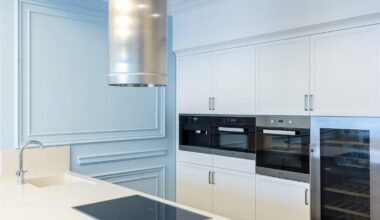
Painted wood or professionally coated surfaces tend to hold up better and offer a cleaner, more durable finish over time. Projects like kitchen remodeling in the Scottsdale area often highlight this same principle, since the same surface durability concerns apply equally to office break rooms and kitchenettes.
Managing Light and Glare in an Open Office Layout
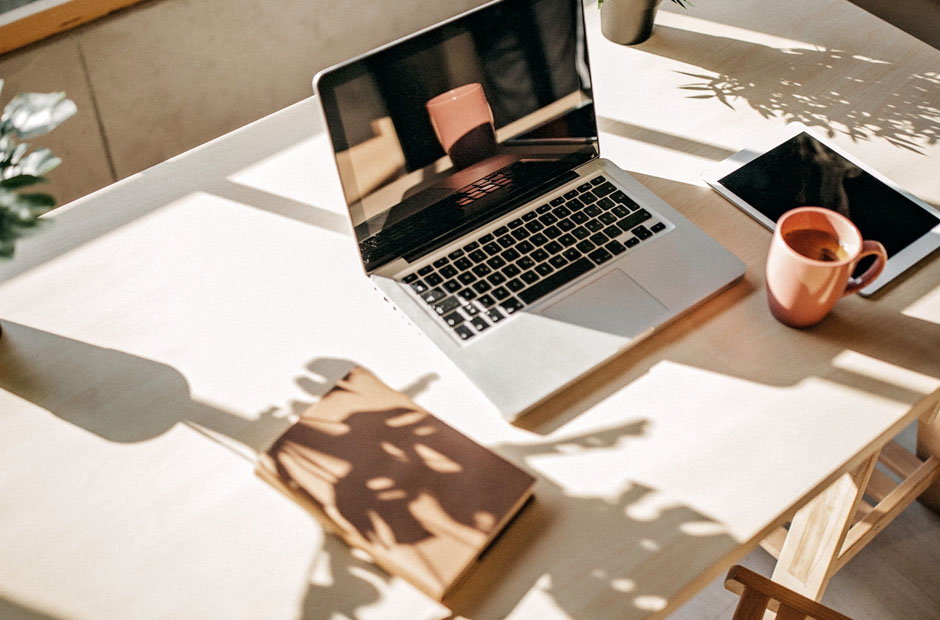
Glare is one of the most underestimated comfort issues in desert offices. Large windows are common in modern commercial spaces, and while natural light improves mood and alertness, direct sun hitting a monitor or work surface creates real problems.
The solution isn’t to block all the light. Control it instead. Frosted window film, solar shades, and thoughtful desk orientation all cut glare without eliminating the benefits of natural light. Positioning workstations perpendicular to windows rather than facing them directly makes a noticeable difference. Skylights with diffusers can bring in soft overhead light without the harsh directional glare of a west-facing window at 4 p.m.
Storage and Layout Efficiency in Compact Desert Office Spaces
Desert office buildings, particularly in suburban Scottsdale and Tempe, often feature open floor plans that look spacious but lack built-in storage. This creates clutter, which in turn creates visual noise that makes a space feel chaotic and less productive. The fix is simpler than most people expect.
Built-in cabinetry solves this problem more effectively than freestanding furniture. Floor-to-ceiling storage along a single wall keeps the footprint tight while dramatically increasing capacity. Closed cabinet fronts cut visual clutter, and pull-out shelving makes retrieval faster without requiring staff to dig through stacked files or supply boxes.
A few layout principles that consistently improve office efficiency:
- Keep high-traffic zones clear of furniture and equipment that creates bottlenecks
- Position shared equipment like printers and copiers near the center of the space rather than in corners
- Use vertical storage to free up floor space for movement and collaboration
- Designate a specific zone for supplies and materials so they do not migrate across the office
- Create clear visual separation between focused work areas and collaborative spaces
These aren’t complicated changes, but they compound. An office that flows well reduces friction throughout the workday.
Material Selection for Longevity in a Harsh Climate
Cabinetry and Millwork That Holds Up Long-Term
The desert accelerates wear on materials that would last decades in milder climates. UV exposure fades finishes. Dry air causes wood to contract and expand more aggressively than in humid regions. Low-quality paints chalk and peel. Investing in durable finishes upfront is almost always more cost-effective than refinishing or replacing surfaces every few years.
For office cabinetry and millwork, factory-applied or professionally sprayed finishes outperform brush-applied paint in both appearance and longevity. The finish is smoother, the adhesion is stronger, and the surface handles cleaning and daily contact better. When selecting colors, cooler tones and lighter shades reflect heat more effectively and tend to show less UV fading over time.
Hardware and Fixture Durability
Hardware is easy to overlook during a remodel, but it takes a beating in a busy office. In desert climates, metal hardware exposed to temperature swings can expand and contract enough to loosen over time. Solid metal options, particularly stainless steel and brass, hold up far better than hollow or plated alternatives.
The same logic applies to fixtures in office restrooms and break rooms. Quality matters more in high-use environments, and the desert adds an extra layer of stress on materials that cheaper options simply don’t handle well.
Acoustics, Air Quality, and the Often-Overlooked Comfort Factors
A remodel focused only on visual upgrades misses two factors that directly shape how productive and comfortable a space feels: sound and air.
Open office layouts improve collaboration but create noise problems. Adding acoustic panels, soft ceiling tiles, or upholstered furniture in meeting areas absorbs sound and reduces the echo that makes open spaces feel chaotic. Sound masking systems, which generate low-level ambient noise to reduce speech intelligibility across the room, are worth considering in larger open-plan offices.
Air quality in the desert presents its own challenges. Dust infiltration is constant, and dry air affects comfort and concentration. A remodel is an ideal time to evaluate HVAC intake placement, upgrade air filtration, and consider adding a whole-office humidification system. Not glamorous upgrades, but they make a measurable difference in how the space feels during long workdays.
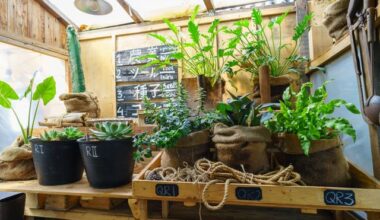
Biophilic elements like indoor plants also help. They add humidity, filter air to a modest degree, and reduce the visual starkness that all-hard-surface desert offices tend to carry. A few well-placed plants near reception or in a lounge area change the atmosphere without requiring significant investment.
Where to Start
A smart desert office remodel begins with an honest assessment of which discomforts are costing the most in productivity and morale. For most offices in the Scottsdale and Phoenix area, that list starts with thermal comfort and storage efficiency. From there, material choices and finish quality determine how long the investment holds up.
The goal is a space that works with the desert climate rather than against it. Durable surfaces, thoughtful light management, efficient storage, and attention to the sensory factors that most remodeling guides overlook. Done well, a desert office remodel doesn’t just look better. It performs better, day after day, through the long summer months that define life in this part of the country.