Key Takeaways
- The rear driver is often found responsible, but the circumstances of the collision determine fault.
- Las Vegas traffic can change abruptly near resort corridors, freeway ramps, construction areas, and busy intersections.
- Photographs, witness details, vehicle data, medical records, and videos may clarify how the crash occurred.
- A chain-reaction collision can involve more than one at-fault driver.
- Prompt medical attention and careful communication with insurance can protect both health and a potential claim.
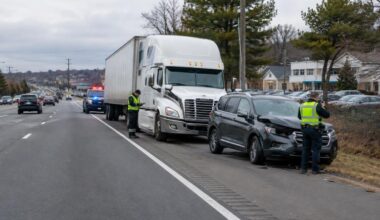
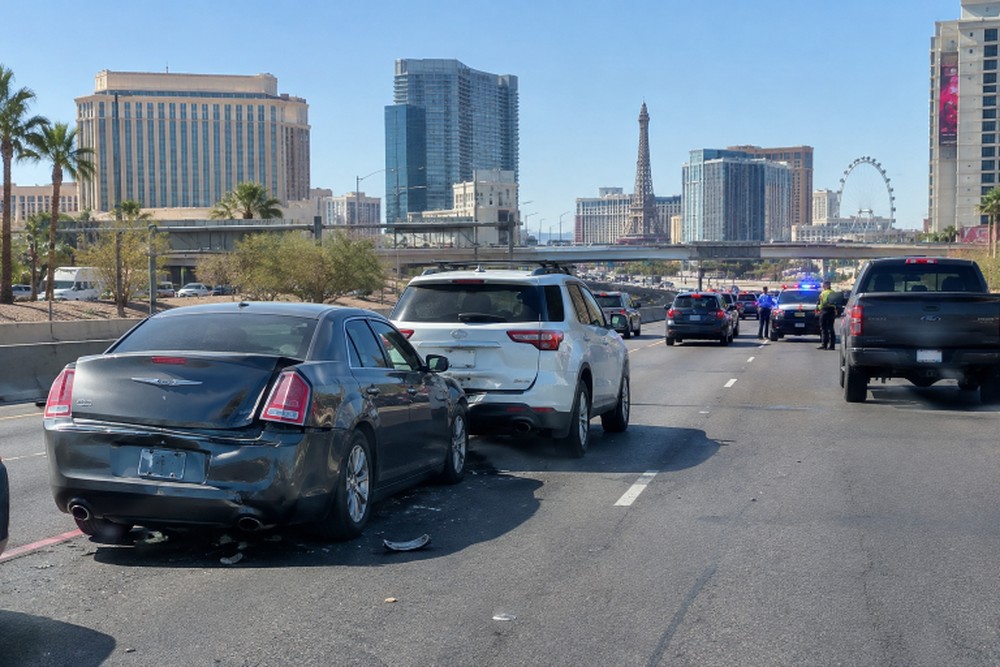
A rear-end collision in Las Vegas may appear straightforward, especially when one vehicle strikes another from behind. In many cases, the driver in the back is closely scrutinized because drivers must leave enough room to stop safely. Still, fault is not automatic. The speed of traffic, sudden lane changes, multiple impacts, road conditions, vehicle problems, and each driver’s actions can all matter. After a crash, the most useful step is to focus on safety, medical care, and preserving facts rather than arguing about blame at the roadside. A person dealing with injuries, repair bills, or difficult insurance communications may also seek help with a rear-end accident injury claim after gathering the available information.
Why The Rear Driver Is Often Considered At Fault
Drivers are expected to pay attention, maintain a safe speed, and leave a reasonable stopping distance. Nevada’s following-too-closely rule requires a driver to maintain a safe and sensible distance from the vehicle ahead, taking into account current speed, traffic, and road conditions. When a vehicle hits a car that was stopped at a red light or slowed in ordinary traffic, that rule can be important evidence. Common reasons a rear driver may bear fault include distracted driving, tailgating, speeding, fatigue, impairment, or failing to notice stopped traffic. For example, a driver looking down at a phone while approaching congestion on Interstate 15 may not brake in time. The same can happen on surface streets when a driver misjudges a yellow light, glare, or a sudden queue of vehicles.
When Fault In A Las Vegas Rear-End Crash Is Not Simple
Chain-Reaction Collisions
A multi-car crash requires a closer look at each impact. If Driver A hits Driver B and pushes Driver B into Driver C, Driver A may be responsible for both impacts. But if Driver B was already following Driver C too closely and had no safe stopping distance, more than one driver may have contributed. Vehicle positions, damage patterns, witnesses, and video can help sort out the sequence.
Sudden Stops And Unsafe Maneuvers
A sudden stop does not always excuse the following driver, since traffic can require abrupt braking. However, fault may be disputed if the front driver cut into traffic without enough space, reversed unexpectedly, had nonworking brake lights, or stopped for no apparent reason where stopping was unsafe. The facts, not a general assumption about rear-end crashes, should control the analysis.
Road, Weather, And Vehicle Conditions
Rain-slick pavement, dust, glare, poor visibility, loose debris, or an active work zone can lengthen stopping distance. A mechanical issue, such as a brake or tire failure, may also deserve investigation. These circumstances do not automatically eliminate responsibility, but they can affect how insurers and other parties evaluate the collision.
What To Do At The Crash Scene
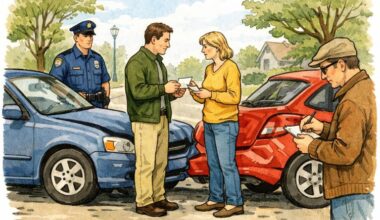
Safety comes first. Check for injuries, call 911 when emergency help is needed, activate hazard lights, and move out of an active travel lane only when it is safe to do so. Do not leave the scene before exchanging information and following any reporting obligations that apply. Gather the other driver’s name, contact information, driver’s license and insurance details, license plate number, and a description of their vehicle. If passengers or bystanders saw the collision, ask for their names and phone numbers. Keep the conversation calm. A driver does not need to admit fault, accuse another person, or speculate about what happened before the available evidence is reviewed.
Evidence That Can Help Establish Fault
Evidence can disappear quickly after vehicles are moved, repaired, or towed. If it is safe, take wide photos showing lanes, traffic signals, signs, weather, construction barriers, and the vehicles’ positions. Then take closer images of damage, debris, skid marks, license plates, and any visible injuries. Write a short timeline while the details remain fresh. Include where you were traveling, your lane, traffic conditions, what you saw or felt before impact, and whether there was more than one collision. Save original photos and videos, preserve dashcam footage, and promptly ask nearby businesses or property managers whether security cameras may have captured the crash. Recordings are sometimes overwritten quickly.
Medical Care And Injury Documentation Matter
Some people feel little pain immediately after a collision, then develop neck stiffness, headaches, back pain, dizziness, numbness, or sleep problems later. A medical evaluation can identify conditions that need treatment and create a contemporaneous record of reported symptoms. Follow care instructions, attend appointments, and keep a simple journal of pain levels, medication use, missed work, and activities you cannot complete normally. Minimal visible vehicle damage does not by itself answer whether someone was injured. The crash dynamics, symptoms, medical findings, treatment history, and timing of complaints may all be relevant.
Insurance Steps After A Rear-End Accident
- Report the collision to your insurer within the time required by your policy.
- Provide accurate facts, but do not guess about fault, diagnosis, future treatment, or lost income.
- Keep copies of claim numbers, emails, estimates, bills, receipts, and medical paperwork.
- Review any recorded-statement request, release, or settlement offer carefully before agreeing.
- Review your insurance policy to see if you have uninsured or underinsured motorist coverage in case the other driver does not have enough insurance.
An early settlement offer may arrive before treatment is complete or before the full effect of an injury is known. Consider known medical costs, future care, wage loss, vehicle expenses, and daily limitations before signing a final release.
How Safety Technology Fits Into Rear-End Crashes
Forward-collision warnings and automatic emergency braking can help reduce some front-to-rear impacts, but they do not replace attentive driving or a safe following distance. Federal automatic emergency braking standards are intended to make this technology standard in new passenger vehicles and light trucks by September 2029. Whether a vehicle had a warning or braking system, and whether it worked properly, may be relevant in certain cases.
A Practical 24-Hour Checklist
- Seek emergency or medical care when needed.
- Exchange information and preserve photographs, videos, and witness contacts.
- Report the collision as required and notify your insurer.
- Save every receipt, estimate, and medical document.
- Write down symptoms and crash details before memory fades.
- Avoid rushing into a final settlement while important questions remain unanswered.
Conclusion
In Las Vegas, the driver who rear-ends another vehicle is often considered responsible for the collision. Still, that assumption is only a starting point, not a definitive determination of fault. Each accident requires a review of the specific circumstances, including traffic conditions, vehicle speeds, following distances, driver attention, road hazards, and any actions taken immediately before impact. In some situations, the front driver’s conduct, a sudden roadway obstruction, or another contributing factor may also be relevant to the investigation. Photographs of vehicle damage, police reports, witness statements, medical records, and available dashcam or surveillance footage may help establish a clearer account of what happened. Seeking prompt medical attention and preserving important evidence can also help document injuries and related losses. By taking safe, organized steps after the crash, injured individuals can better protect their health, avoid overlooking important details, and provide a more complete account when communicating with insurance companies or seeking legal guidance.